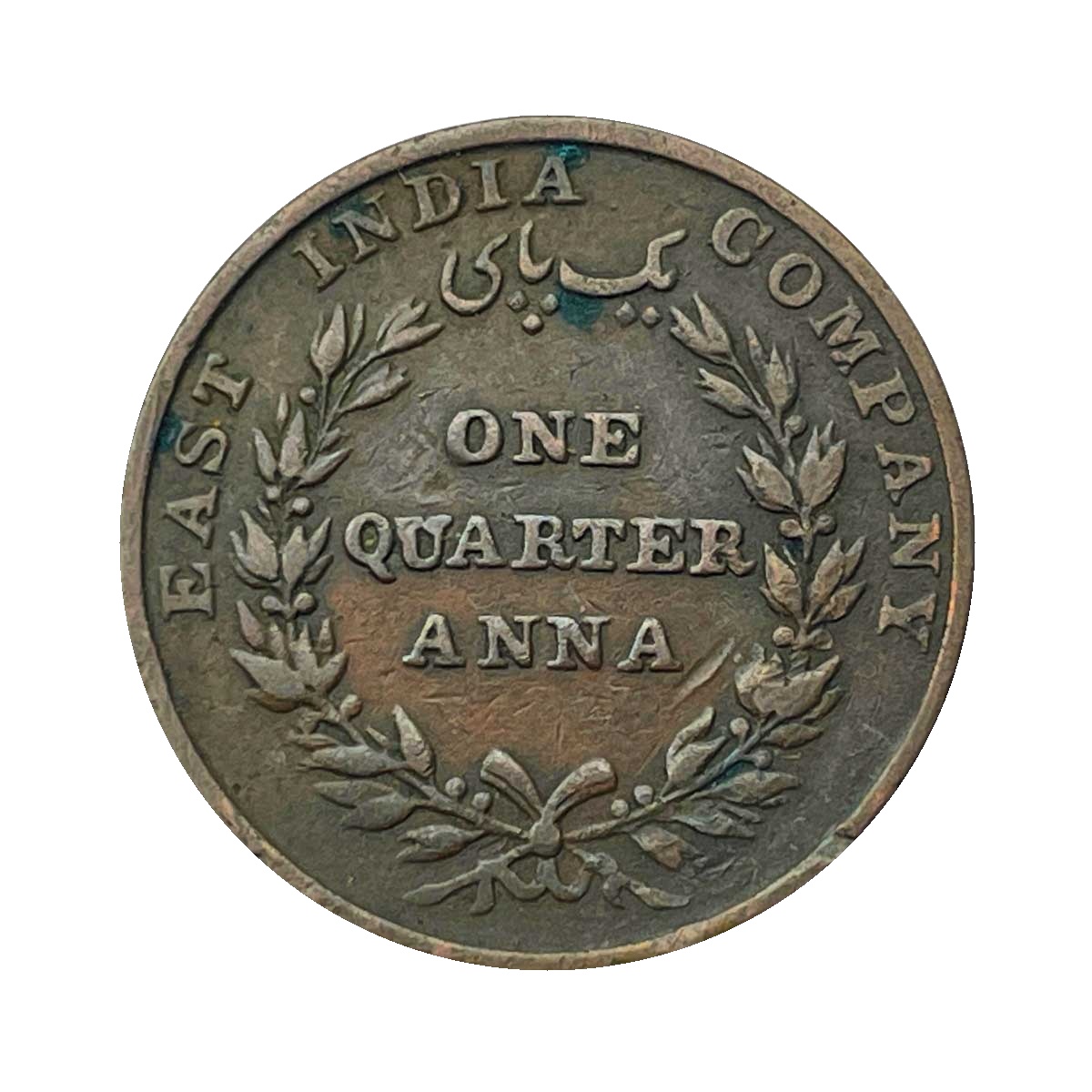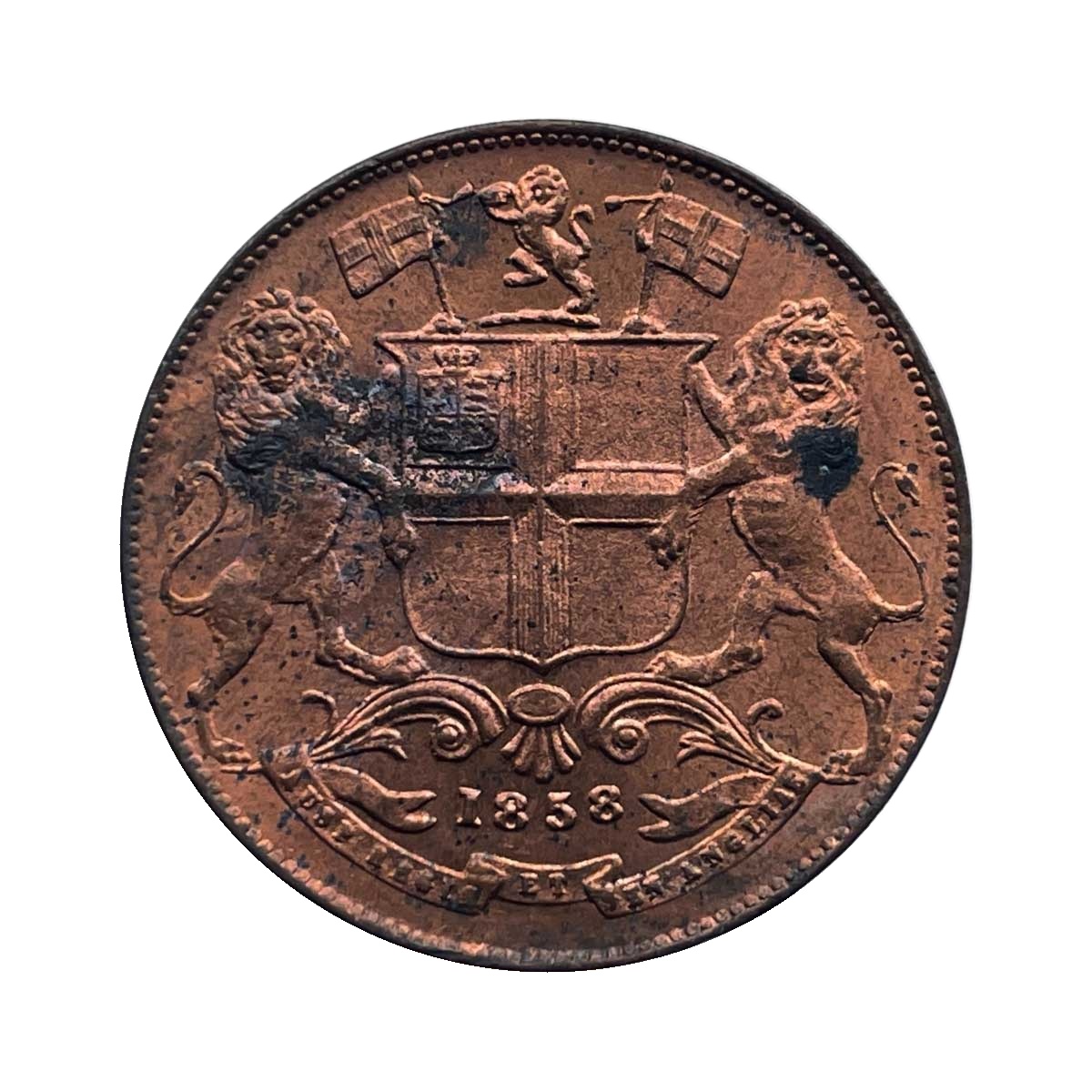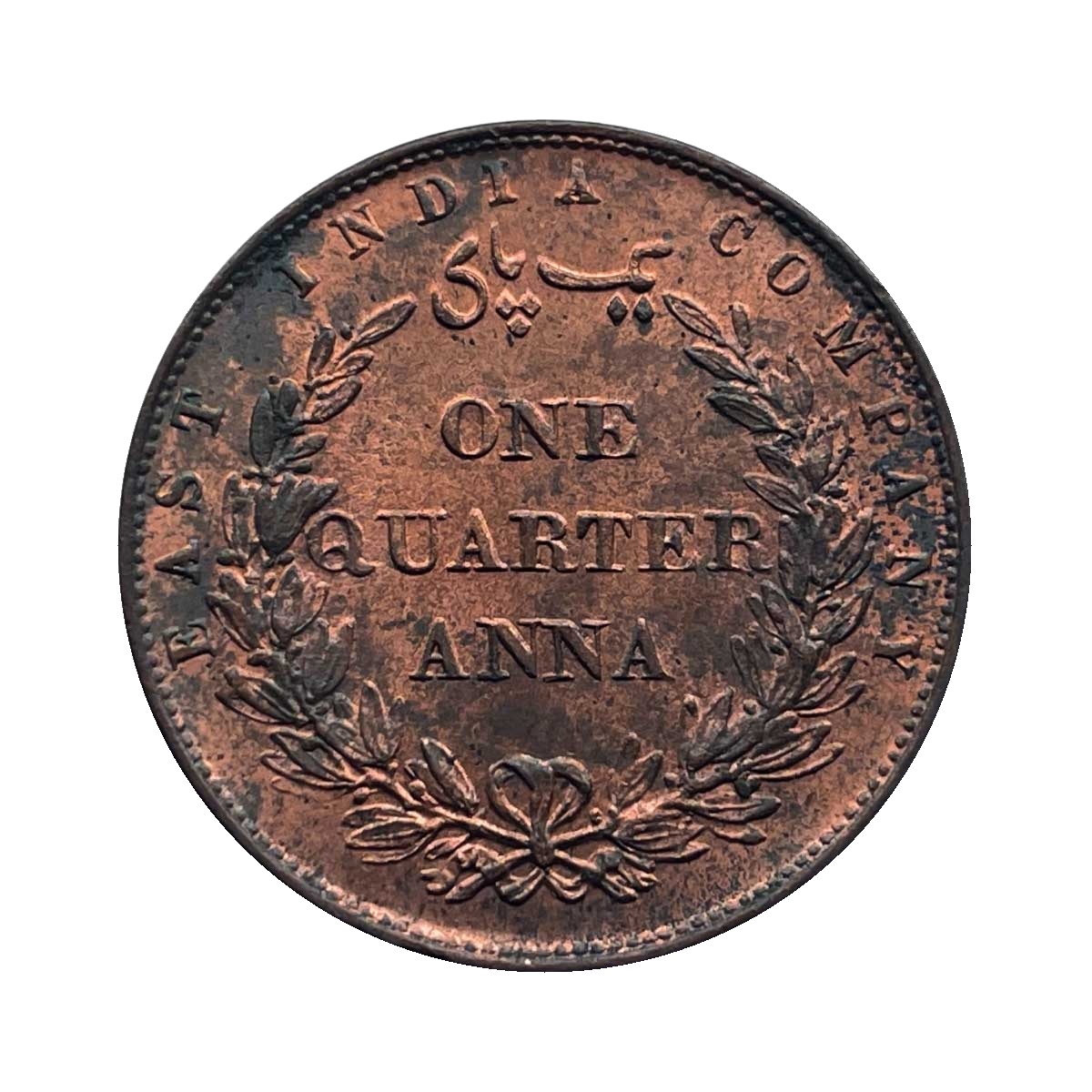
ON THIS PAGE
- Overview & Key Concepts
- Introduction and Historical Background
- Babur and Humayun: The Early Mughal Coinage
- Akbar: Architect of the Mughal Currency System
- Jahangir: Zodiac and Portrait Masterpieces
- Shah Jahan: Refinement and Calligraphic Balance
- Aurangzeb: Orthodoxy, Uniformity and Expansion
- Later Mughal Emperors and Regional Continuity
- Gold, Silver and Copper
- Major Denominations
- Persian Calligraphy, Dates and Artistic Design
- The Imperial Mint Network
- How Mughal Coins Were Made
- Economic Importance of the Mughal Rupee
- Religious and Political Significance
- Influence on Later Indian Coinage
- Collecting Mughal Coins Today
- Preservation and Responsible Care
- Legacy of Mughal Coinage
Key Takeaways & Executive Summary
Akbar introduced square rupees (Char-yari) and experimental Ilahi era dating based on the solar year.
Jahangir was the only Mughal ruler to issue portrait coins and the celebrated 12-sign astrological Zodiac series.
Shah Jahan standardized the Kalima on the obverse and stylized title layouts from Shahjahanabad (Delhi).
Aurangzeb replaced the Kalima with the iconic couplet formula to prevent holy words from being defiled during circulation.
Introduction and Historical Background
The Mughal Empire (1526–1857) was one of the greatest empires in Indian history, renowned for its military strength, architectural achievements, administrative reforms and flourishing economy. Among its enduring accomplishments, the Mughal monetary system stands out as one of the most organized, reliable and artistically refined coinage systems developed in South Asia. Mughal coins were more than instruments of commerce: they expressed imperial authority, religious ideas, artistic excellence and economic prosperity.
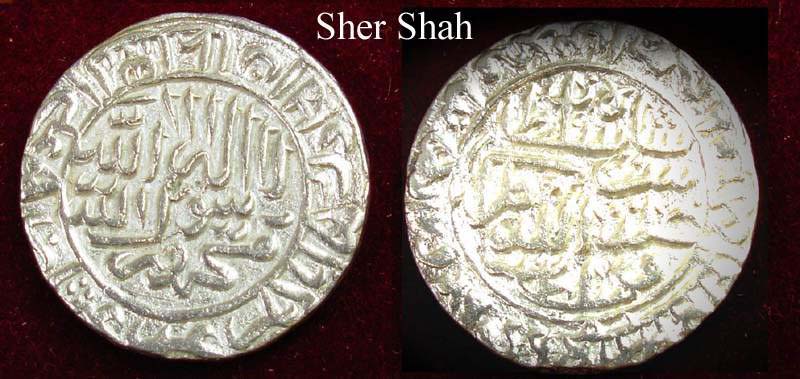
The empire was founded by Babur after his victory over Ibrahim Lodi at the First Battle of Panipat in 1526. Although Babur issued coins in his own name, the mature Mughal monetary system developed under Akbar. A crucial foundation had already been laid by Sher Shah Suri during Humayun's exile. Sher Shah introduced the high-purity silver rupiya of about 178 grains, or approximately 11.5 grams, together with a standardized copper dam. Akbar adopted and expanded these strong monetary principles across a much larger imperial network.
Today Mughal coins are among the most sought-after objects in Indian numismatics. Their legends, dates, names, metals and designs provide evidence about politics, trade, language, religion and craftsmanship. A single specimen may record a military victory, an emperor's accession, a city, a regnal year or an experiment in imperial art.
Babur and Humayun: The Early Mughal Coinage
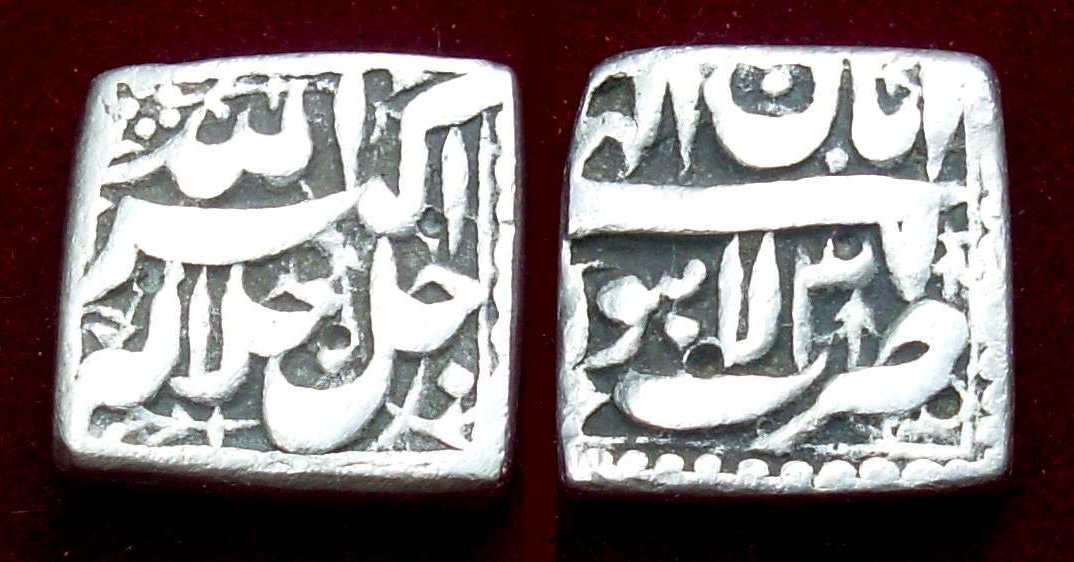
Babur (1526–1530) inherited the Timurid coinage tradition of Central Asia. His Indian issues were comparatively simple and generally carried Islamic declarations, the ruler's name and titles in Persian or Arabic script. Because his Indian reign lasted only four years, surviving coins are scarce and historically important. They established the early Mughal numismatic foundation upon which later emperors built a far more sophisticated system.
Humayun (1530–1540 and 1555–1556) ruled through a period of defeat, exile and restoration. This instability limited coin production, making many of his issues uncommon or rare. Humayun introduced no monetary reform comparable with Akbar's later program, but his coinage connects the Timurid-influenced opening phase of Mughal rule with the standardized imperial currency that followed.
Akbar: Architect of the Mughal Currency System
Akbar (1556–1605) transformed Indian coinage into a standardized and efficient imperial system. He regularized the weight, purity and design of gold mohurs, silver rupees and copper dams; expanded production through numerous imperial mints; introduced more consistent inscriptions; and imposed strict quality control. These reforms created one of Asia's strongest and most trusted currencies and supported administration across a vast and diverse empire.
Akbar also encouraged experimentation. Circular coins circulated alongside square silver Jalali rupees, while some issues used the Ilahi era rather than the conventional Hijri calendar. During the Din-i Ilahi phase, inscriptions reflected Akbar's ideas of imperial sovereignty and universal tolerance. His monetary reforms were a major foundation of Mughal economic prosperity.
Jahangir: Zodiac and Portrait Masterpieces
Jahangir (1605–1627) treated coins as works of imperial art as well as currency. His reign produced some of the most distinctive and collectible coins in world numismatics. The celebrated Zodiac mohurs and rupees replaced conventional inscriptions on one side with representations of Aries, Taurus, Gemini, Cancer, Leo, Virgo, Libra, Scorpio, Sagittarius, Capricorn, Aquarius or Pisces, corresponding to the month of issue. Genuine examples are rare and rank among the most valuable Indian coins.
Jahangir also authorized extraordinary portrait pieces, including coins showing the emperor holding a wine cup. These issues departed from normal Islamic aniconic conventions and reflected his interest in painting, astronomy and Persian court culture. Their and historical importance require especially careful authentication because replicas and later imitations exist.
Shah Jahan: Refinement and Calligraphic Balance
Shah Jahan (1628–1658) is best known for architectural masterpieces such as the Taj Mahal, but his coinage displays a comparable concern for proportion and refinement. His gold, silver and copper issues generally show carefully balanced inscriptions, precise engraving, standardized weight and high metal purity.
Many Shah Jahan coins use elegant Naskh or Nastaliq calligraphy arranged with close attention to symmetry and spacing. Their controlled design and accomplished engraving make them important examples of Islamic calligraphy expressed through the small circular field of a coin.
Aurangzeb: Orthodoxy, Uniformity and Expansion
Aurangzeb (1658–1707) maintained the efficient monetary framework inherited from earlier emperors while ending the portrait and zodiac experiments associated with Jahangir. His coinage emphasized religious orthodoxy, textual design, uniformity and administrative efficiency. Traditional Islamic declarations and imperial titles replaced representational imagery.
Because the Mughal Empire reached its greatest territorial extent during Aurangzeb's reign, his coins were struck at an exceptionally large number of mints. This makes attribution, date and regnal year especially important: otherwise similar rupees can represent very different cities, campaigns and periods of imperial control.
Later Mughal Emperors and Regional Continuity
After Aurangzeb's death, central Mughal authority weakened and political instability increased. Later emperors continued to issue coins, but the series developed wider regional variation and, in some periods, less consistent artistry or metal quality. Provincial governors, successor states and rising regional powers increasingly controlled production.
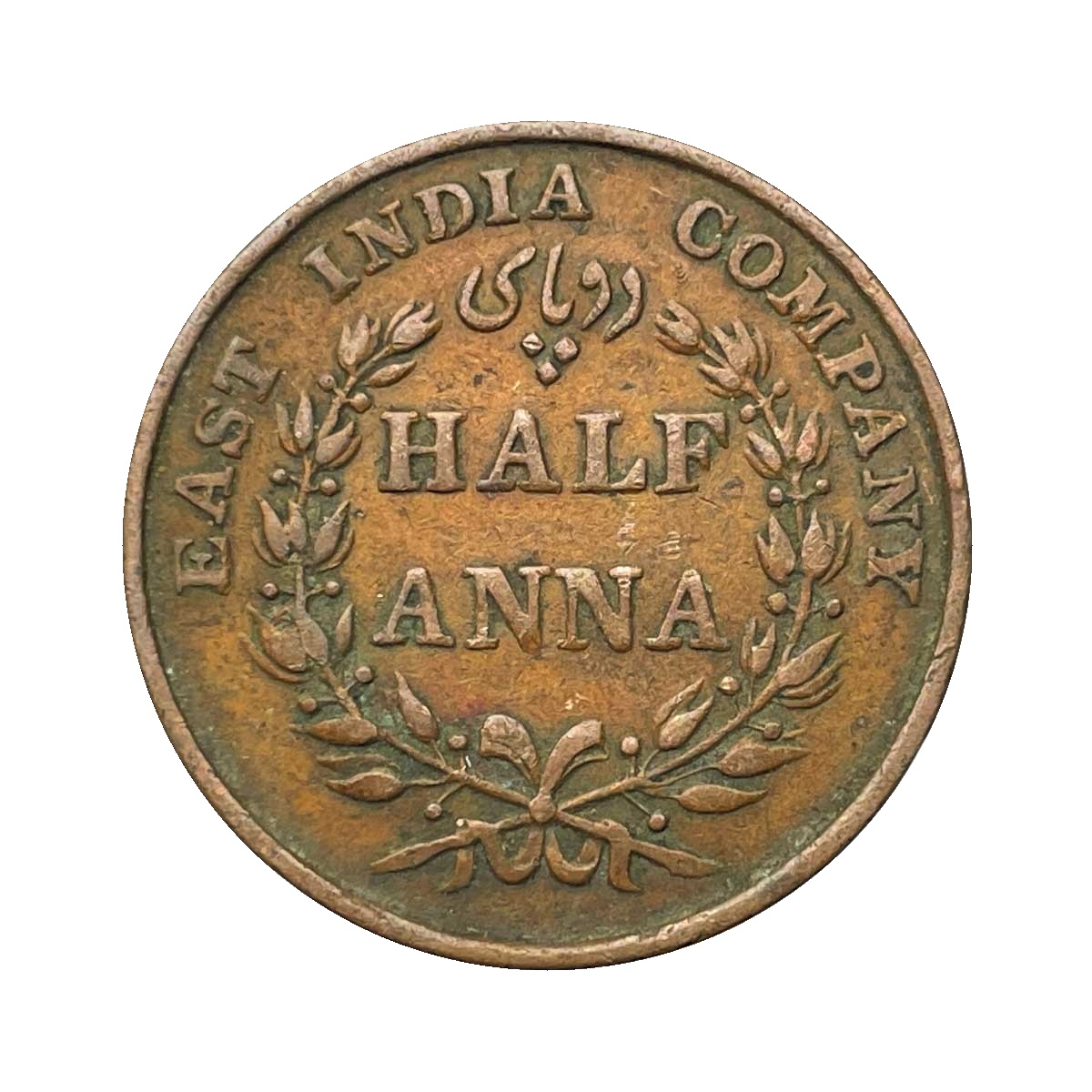
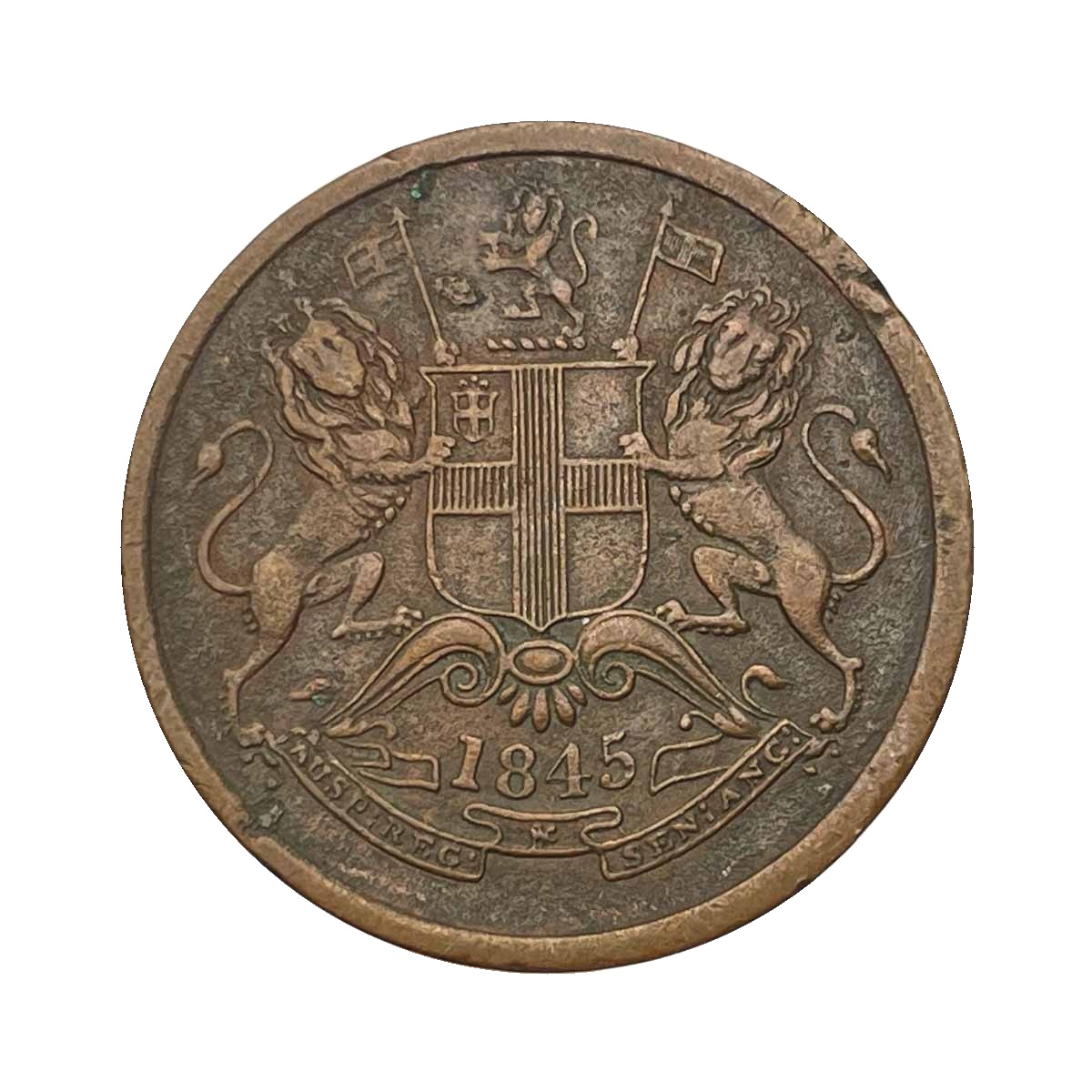
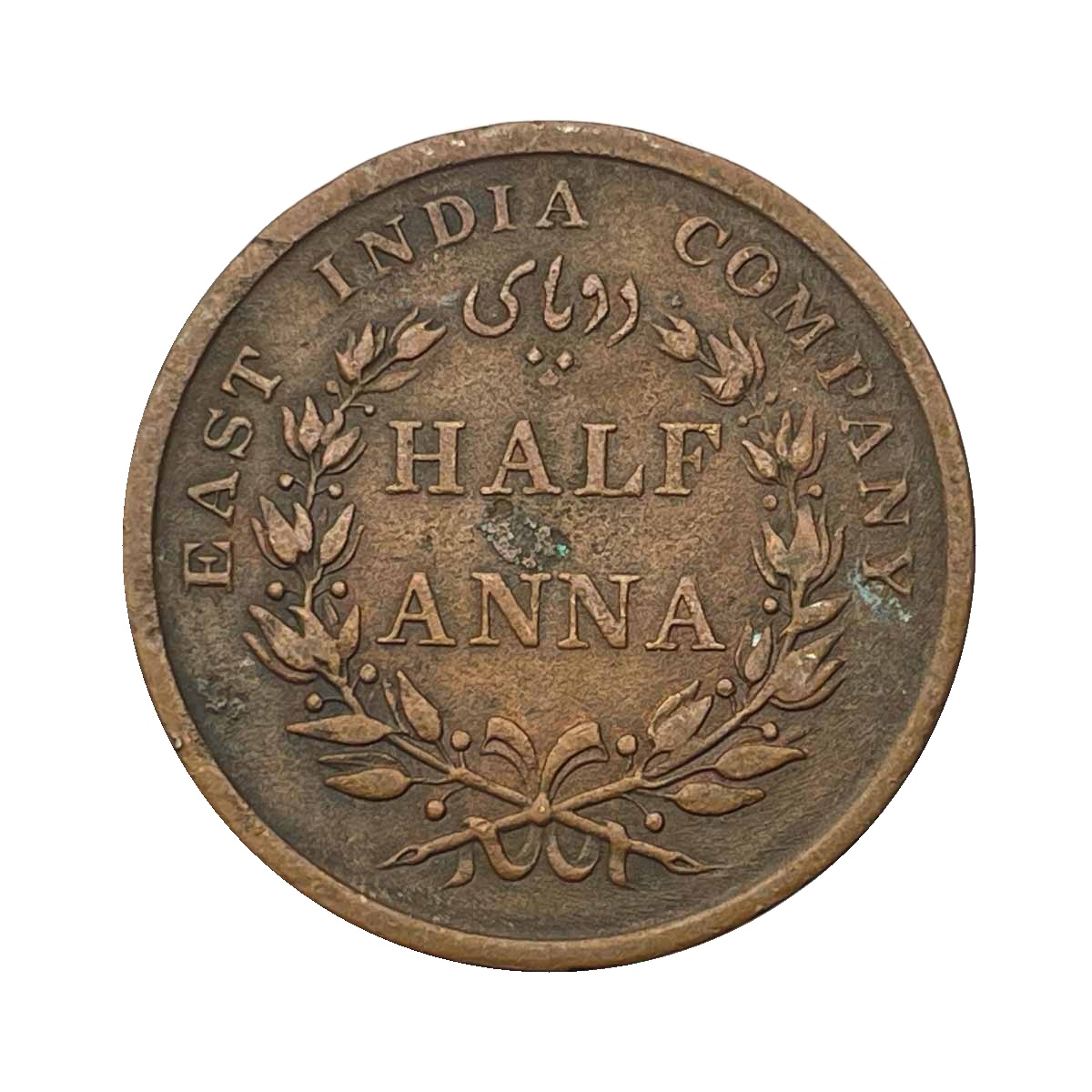
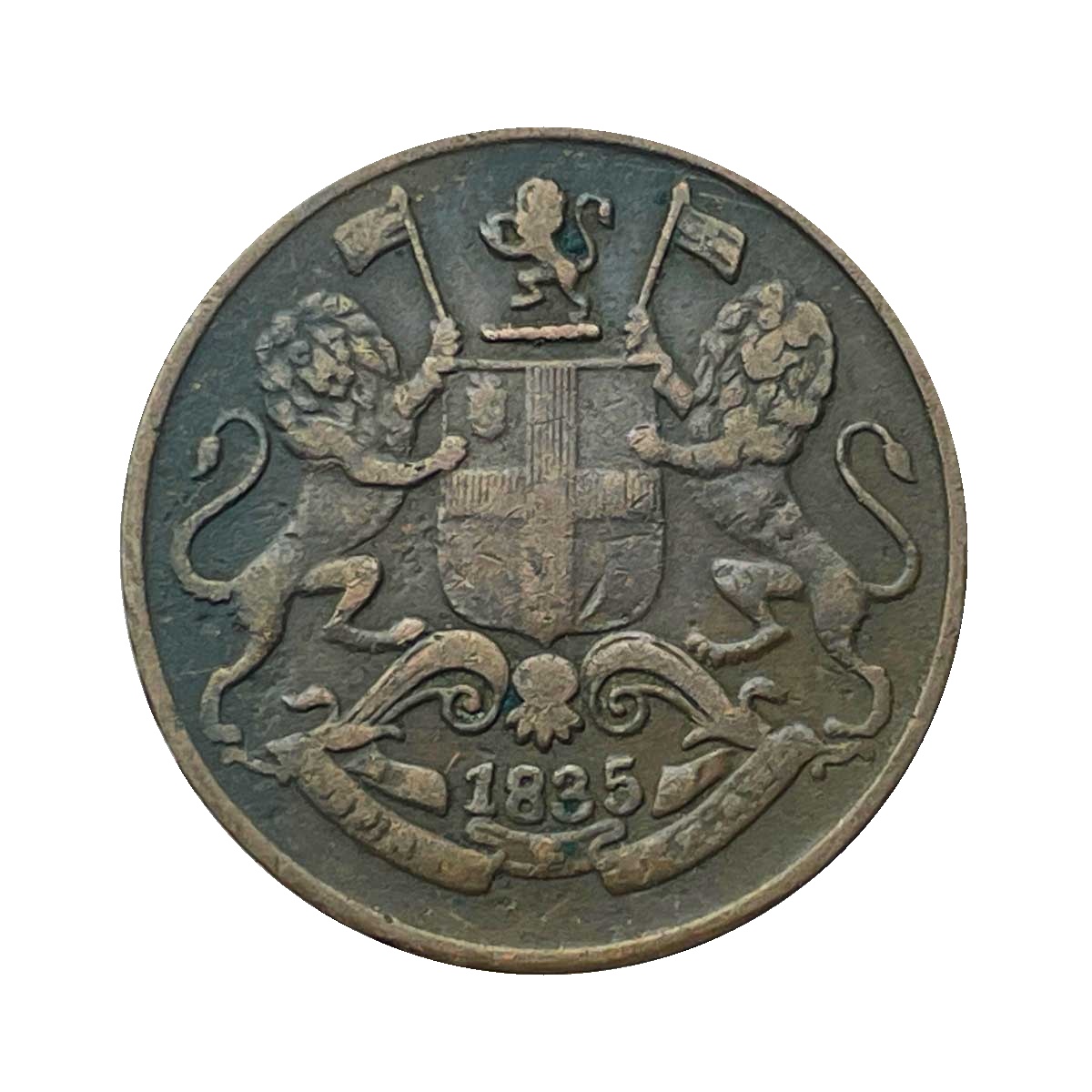
Mughal types nevertheless retained enormous commercial prestige. Regional kingdoms, princely states and even the East India Company continued to coins in the Mughal style or in the Mughal emperor's name because merchants and the public trusted the familiar standard. Mughal numismatic influence therefore survived long after effective imperial power declined.
Gold, Silver and Copper
The Mughal monetary system rested on three principal metals. Gold mohurs represented wealth and prestige and were used for royal gifts, diplomatic exchanges, military rewards and large transactions. They were normally produced to high standards of purity and craftsmanship.
Silver rupees formed the backbone of commerce. The standard weighed approximately 11.4 to 11.5 grams and maintained a reputation for reliable purity across much of the empire's history. This standard profoundly influenced later Indian currency and the modern name .
Copper dams supported daily economic life. They circulated through local markets, agricultural trade, retail purchases and wage payments, allowing ordinary transactions to participate in the wider monetized economy.
Major Denominations
The gold mohur served high-value transactions, treasury payments and royal rewards. The silver was the standard commercial unit, while half-rupee and quarter-rupee fractions supported medium and smaller payments. The copper dam was the principal everyday , and terminology became increasingly common in later issues and regional accounting.
Collectors should not identify from diameter alone. Weight, metal, inscriptions, , ruler and the relevant historical standard must be considered together because hammered flans vary and clipped or worn coins may be underweight.
Persian Calligraphy, Dates and Artistic Design
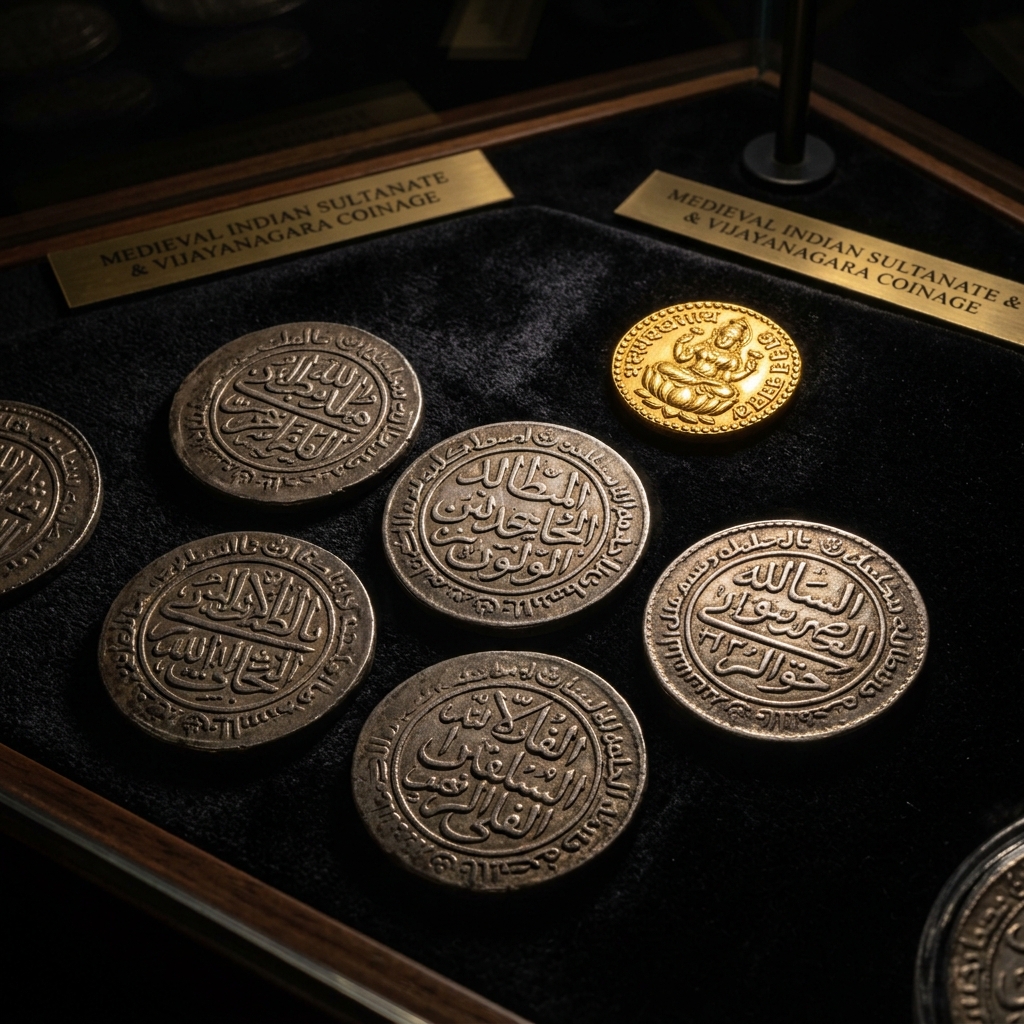
Mughal coins are celebrated for precisely engraved Persian and Arabic-script inscriptions. Common elements include the emperor's name and titles, Islamic declarations, poetic couplets, the city, a Hijri date and a regnal year. Unlike many ancient coins, most Mughal issues rely on inscriptions rather than portraits, with Jahangir's special issues forming famous exceptions.
Floral ornaments, borders and carefully balanced spacing may complement the legends. Symmetry was important even when the full inscription extended beyond the struck . To identify a Mughal coin, examine both sides for the emperor, , Hijri year and regnal year. Honorific titles, such as Dar al-Khilafat or Baldat al-Mahfuzah, can provide additional attribution clues.
The Imperial Mint Network
The Mughal Empire operated dozens of official mints to supply regional commerce, collect revenue and proclaim authority. Important cities included Agra, Delhi, Lahore, Ahmedabad, Surat, Kabul, Multan, Patna, Kashmir, Ajmer, Burhanpur, Ahmadnagar, Murshidabad and Aurangabad. New facilities were established or reactivated as imperial territory changed.
names are among the most valuable features on Mughal coins. They allow historians to map trade networks, military expansion and political control. For collectors, an uncommon can make a coin significantly scarcer than a visually similar issue of the same emperor and year.
How Mughal Coins Were Made
Mughal coins were normally produced by hand. Gold, silver or copper was first refined to the required standard. Metal was then prepared into blanks or planchets, which were heated to make them suitable for striking. Master engravers carved the and designs into hardened dies.
A prepared blank was placed between the dies and struck with a hammer. Finished coins were checked for weight, purity and clarity before release. Variations in centering, strength, and visible are natural consequences of this process, but casting seams, modern tool marks or an incorrect fabric may indicate a replica.
Economic Importance of the Mughal Rupee
Standardized Mughal coinage supported one of the world's largest seventeenth-century economies. Reliable money enabled efficient tax collection, long-distance trade, agricultural markets, urban growth and international commerce. Merchants from Persia, Central Asia, Europe and Southeast Asia accepted Mughal silver rupees because their weight and purity inspired confidence.
A broad network of mints reduced the difficulty of moving bullion and paying armies or officials across a vast territory. The common standards applied to mohur, and dam also connected imperial revenue systems with everyday market exchange.
Religious and Political Significance
Every Mughal coin was an official statement of sovereignty. The emperor's name and titles declared legitimate authority, while the and date recorded where and when that authority was recognized. Changes in legends could mark a succession, a religious policy, an accession, a military victory or an administrative reform.
The contrast between Akbar's Ilahi issues, Jahangir's zodiac and portrait experiments, and Aurangzeb's orthodox inscriptions shows how coinage communicated changing imperial ideas. Coins circulated those messages far beyond the court and made political authority visible in daily commerce.
Influence on Later Indian Coinage
The Mughal system shaped Indian currency through the standardization of the silver , regulated weight and purity, administrative control, large-scale production and widespread acceptance. Its calligraphic traditions also influenced the visual language of numerous regional issues.
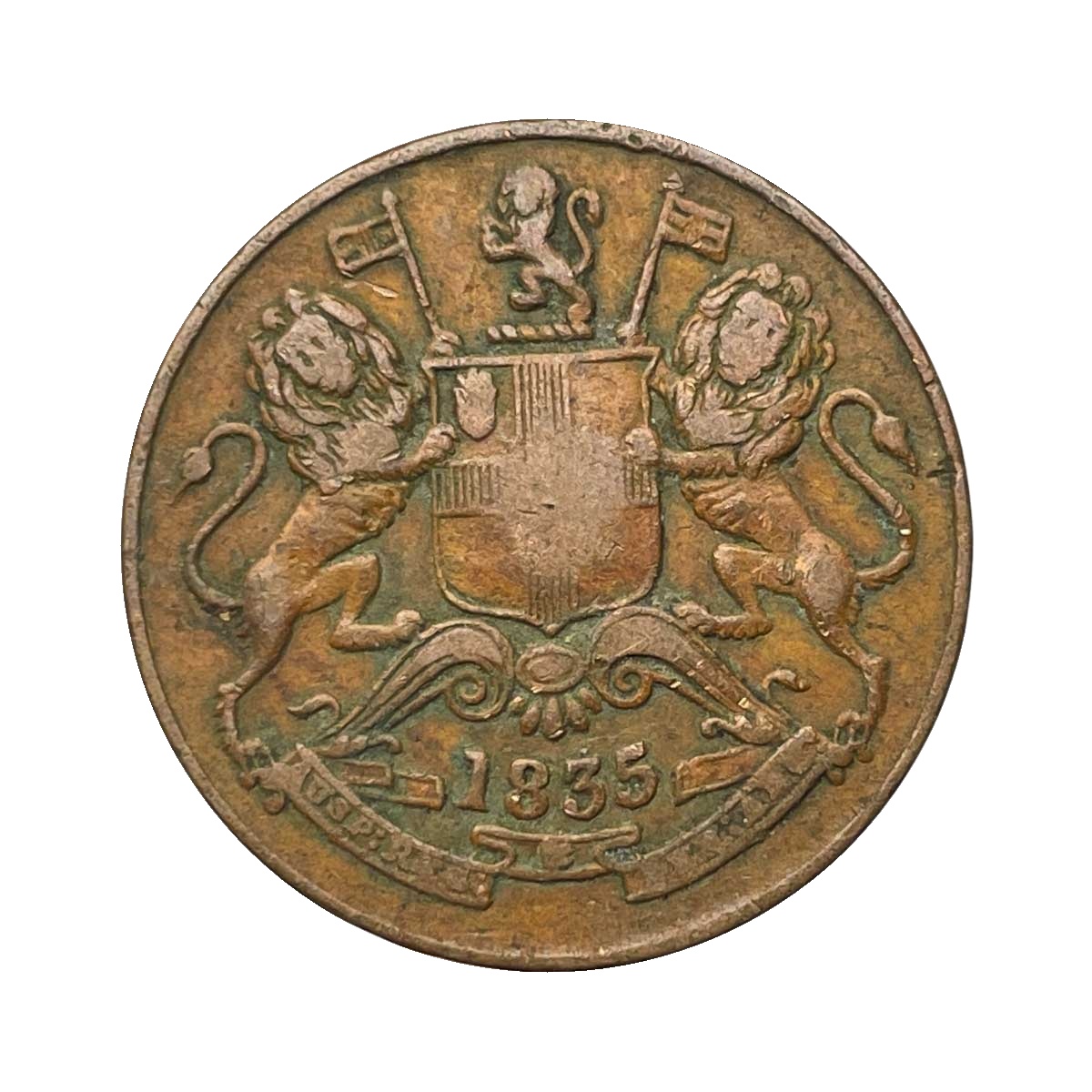
Even the East India Company initially issued coins closely modeled on Mughal rupees or bearing Mughal authority. This continuity was commercially practical: familiar designs and standards helped new political powers gain public trust. The word and the concept of a dependable silver unit remain among the most visible Mughal monetary legacies.
Collecting Mughal Coins Today
Mughal coins are prized for their historical importance, calligraphic beauty and enormous . Value depends on the emperor, , date, regnal year, metal, , , historical context, , quality and the completeness of the visible legends. and reliable attribution can be especially important for rare pieces.
Jahangir's genuine zodiac mohurs and rupees, portrait coins and scarce early Babur issues can command exceptional auction prices. Collectors should compare both sides with recognized references, verify weight and diameter, and seek specialist authentication before buying an expensive . Age, unusual appearance or an online asking price does not by itself establish authenticity or value.
Preservation and Responsible Care
Handle Mughal coins only by their edges and store them in inert, archival-quality holders. Maintain a cool, dry environment with stable humidity, and keep different metals away from reactive plastics or unsuitable paper. Never polish a coin or use abrasive or chemical methods, because can permanently damage the surface and reduce both historical integrity and collector value.
Maintain records of , purchase details, weight, diameter and clear photographs of both sides. This documentation supports authentication, future research and insurance. If active corrosion is suspected, consult a qualified numismatic conservator rather than attempting home treatment.
Legacy of Mughal Coinage
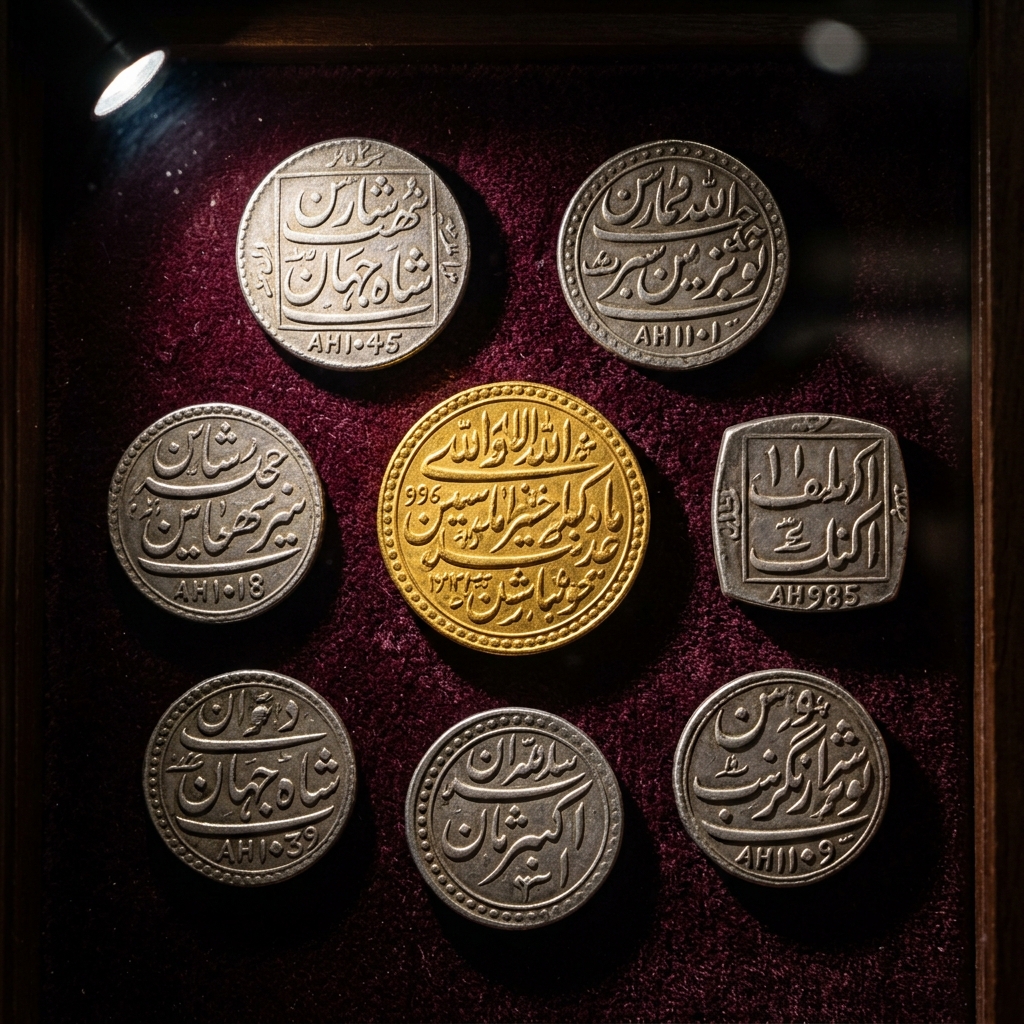
Mughal coinage represents one of the great achievements of Indian numismatics. Its combination of administrative precision, artistic sophistication and economic reliability sustained commercial networks across the subcontinent and beyond. From Akbar's disciplined reforms to Jahangir's artistic brilliance, Shah Jahan's refinement and the widespread circulation of Aurangzeb's rupees, the coins record the changing character of a major empire.
These objects remain valuable to collectors, historians, archaeologists and museums because each is a tangible document of imperial authority, cultural exchange and skilled craftsmanship. A humble copper dam once used in a local market and an exquisite gold mohur presented as a royal gift occupy different places in the monetary system, yet both preserve fragments of India's heritage. Studying and protecting them allows future generations to understand the Mughal Empire's lasting contribution to Indian and world coinage.
Explore the details
Was this numismatic guide helpful?
Your feedback helps our curatorial editorial team refine and expand our research.