Key Takeaways & Executive Summary
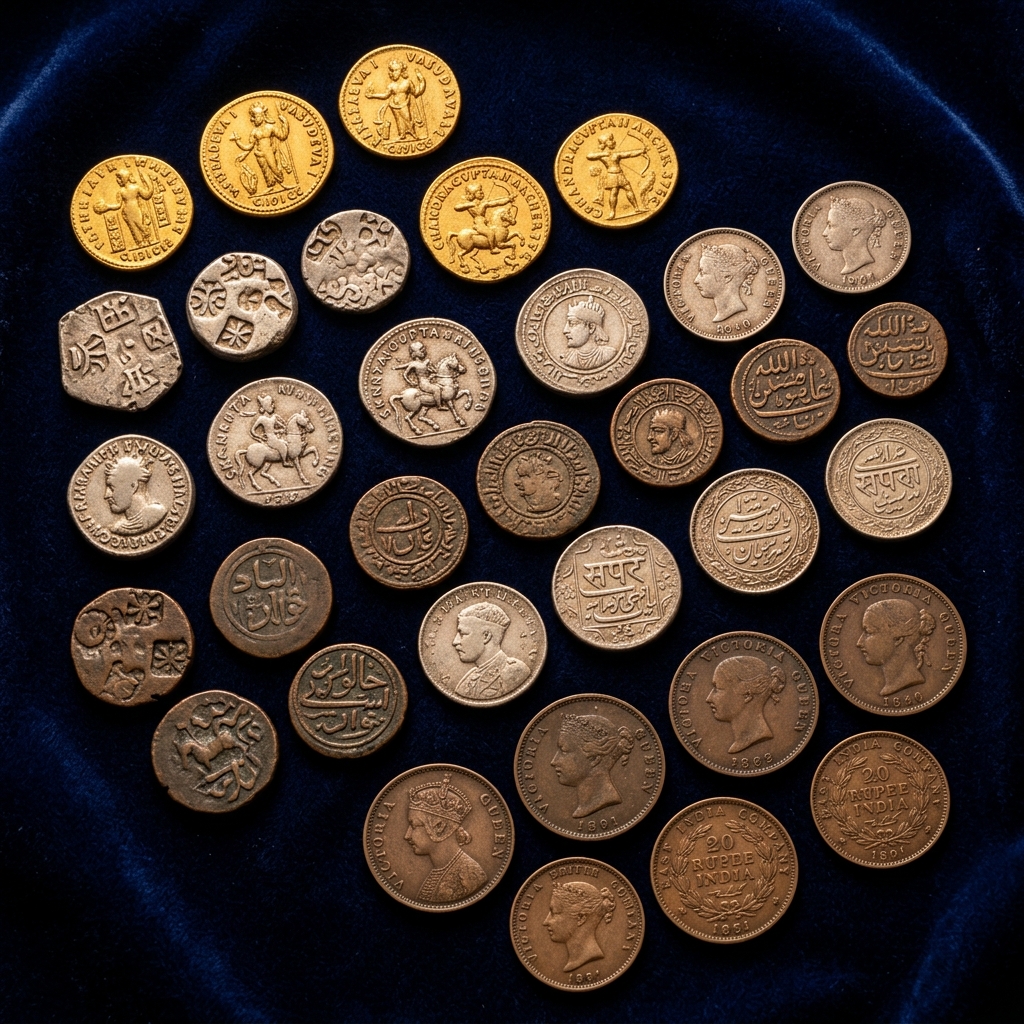
Study East India Company and Crown coinage, portraits, denominations, metals and colonial minting standards.
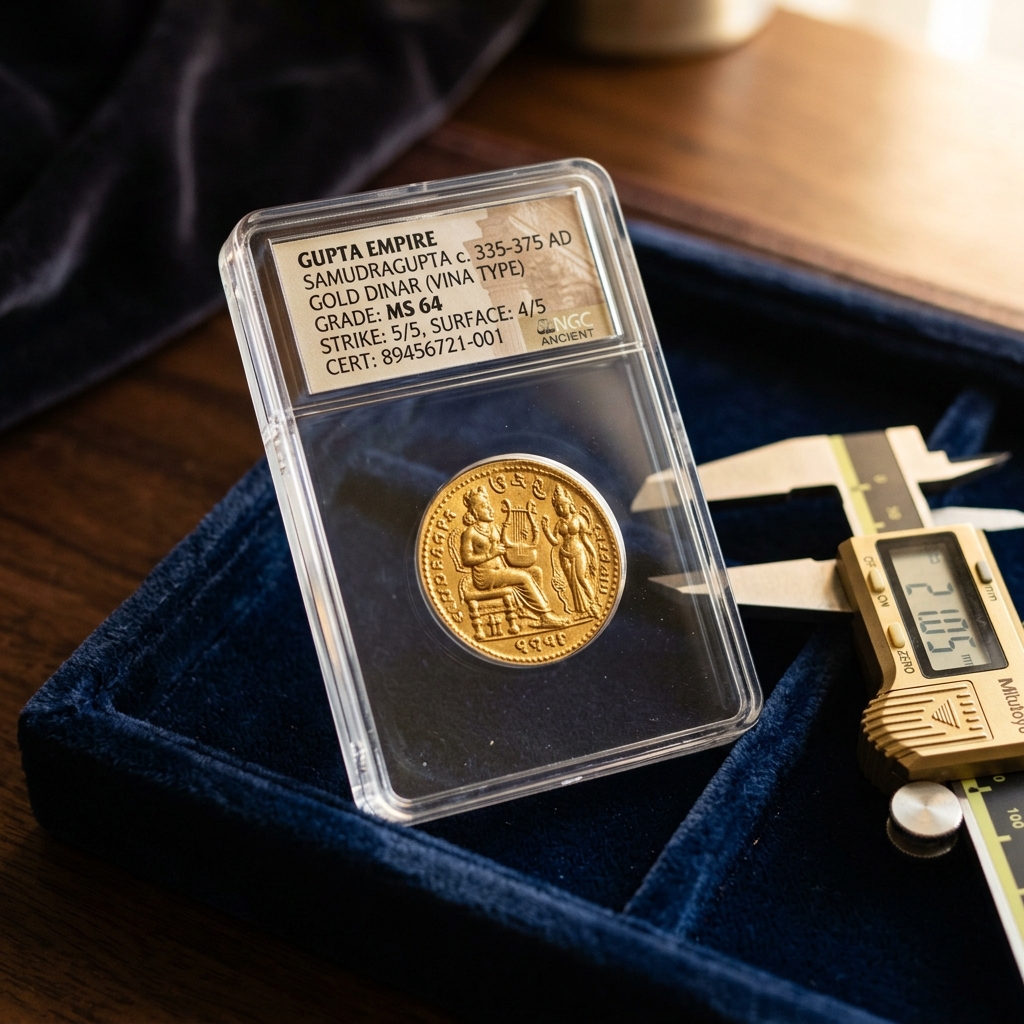
Carefully inspect the date, mint mark, metal purity, and die alignment.
Always preserve natural surface integrity and avoid harsh chemical treatments.
Cross-reference catalog numbers with verified numismatic references before purchase.
East India Company Presidency Issues
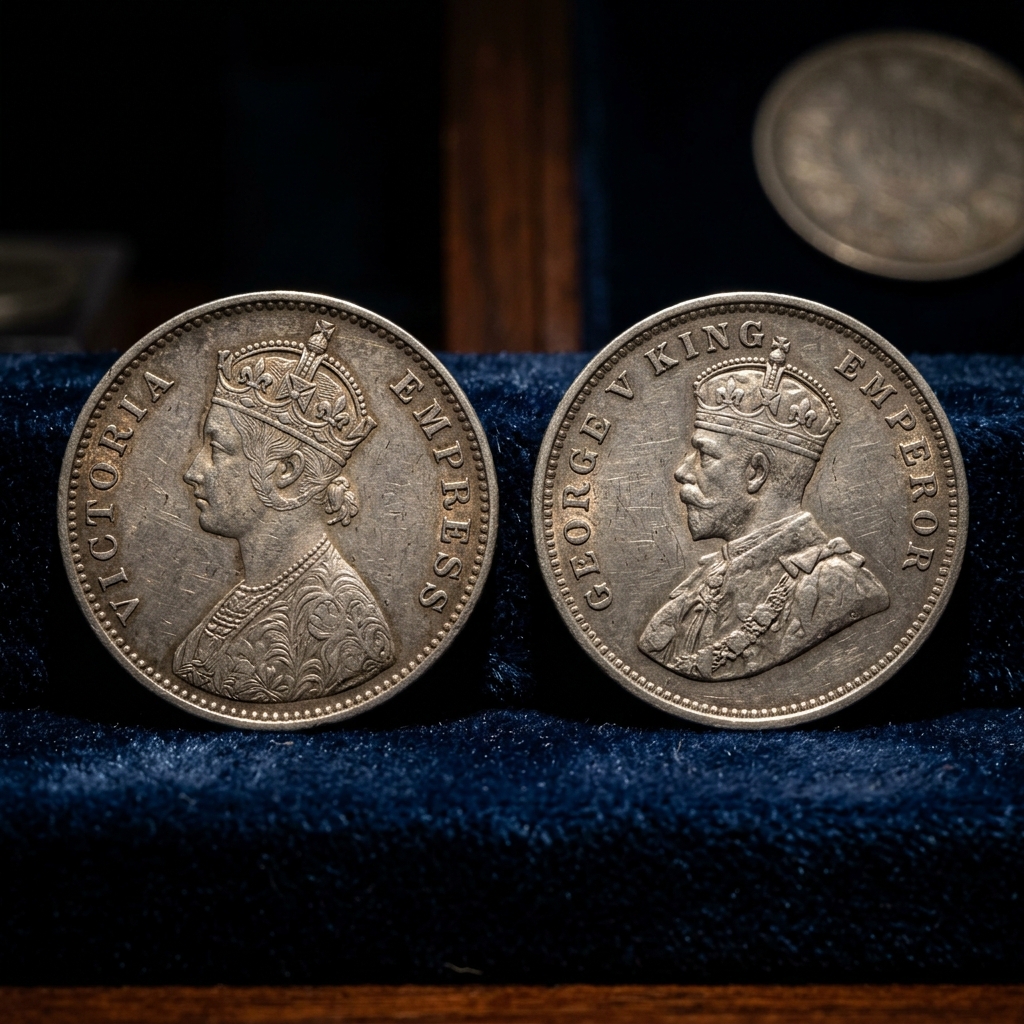
Before standardizing currency across the subcontinent, the British East India Company (EIC) operated in three separate administrative regions called Presidencies: Bengal, Bombay, and Madras. Each Presidency operated its own mints, striking coins that imitated local Mughal designs and weights to ensure acceptance in local markets. For example, Madras produced gold Pagodas and Fanams, while Bengal minted the famous Murshidabad 'Sicca '.
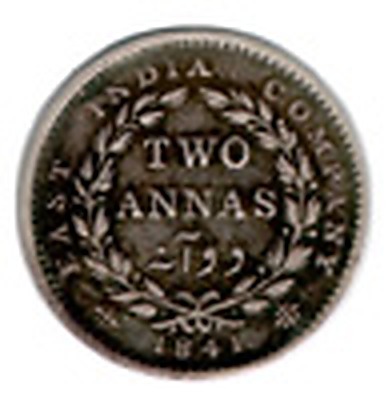
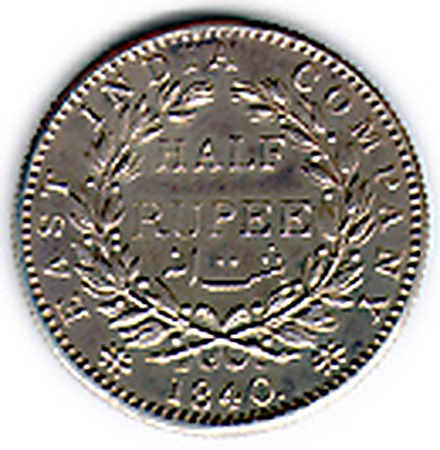
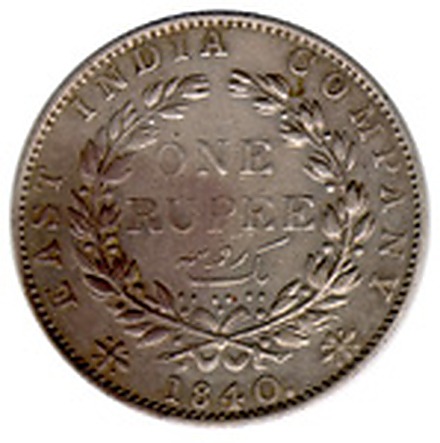
To simplify trade and administration, the British passed the Uniform Coinage Act of 1835. This act swept away presidency issues and established a single uniform currency throughout EIC territories. The new silver weighed exactly 180 grains (11.66 grams) made of 91.7% pure silver. The featured the bare head bust of King William IV, and the displayed the in English and Persian inside a laurel wreath, marking the start of modern uniform colonial coinage.
Regal Coinage under the British Crown (1862 - 1947)
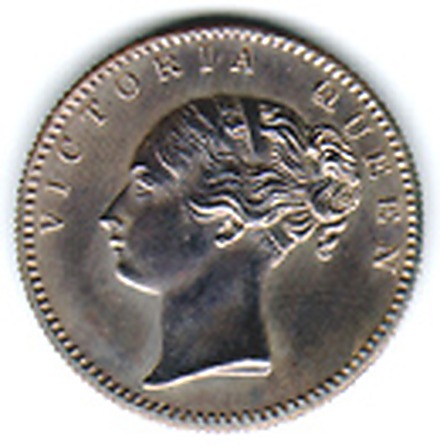
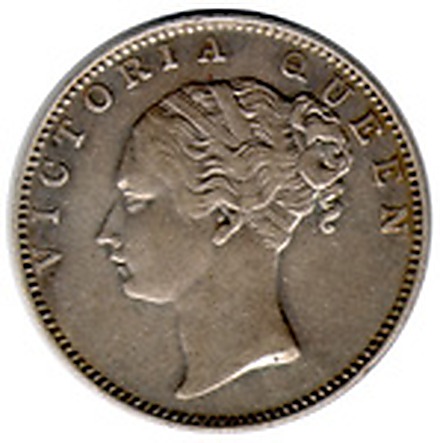
Following the Indian Rebellion of 1857, the British Crown took direct administrative control of India from the East India Company. In 1862, the first uniform 'Regal Coinage' was released, depicting Queen Victoria on the . Following the Royal Titles Act of 1876, her portrait title shifted from 'Victoria Queen' to 'Victoria Empress' beginning on 1877 coins.
Subsequent British monarchs—King Edward VII, King George V, and King George VI—each had their portraits stamped on Indian currency. Under their reigns, rising metal costs led to the introduction of base-metal cupro-nickel alloys for smaller denominations, security treatments to prevent shaving, and modern minting machinery. During World War II, severe silver shortages forced the mints to reduce the 's silver purity from 91.7% to a quaternary alloy of 50% silver, and finally to pure nickel issues in 1947, marking the end of British rule.
Collector Varieties and Mint Marks
British India coins are a favorite among modern collectors due to their clear classifications and documented records. is highly sensitive to the year, , and of issue. Scarce key dates include the 1897 Victoria , the 1911 'Pig ' of George V (where the elephant on the King's collar resembled a pig, causing public outrage and leading to a quick recall), and the 1939 George VI .
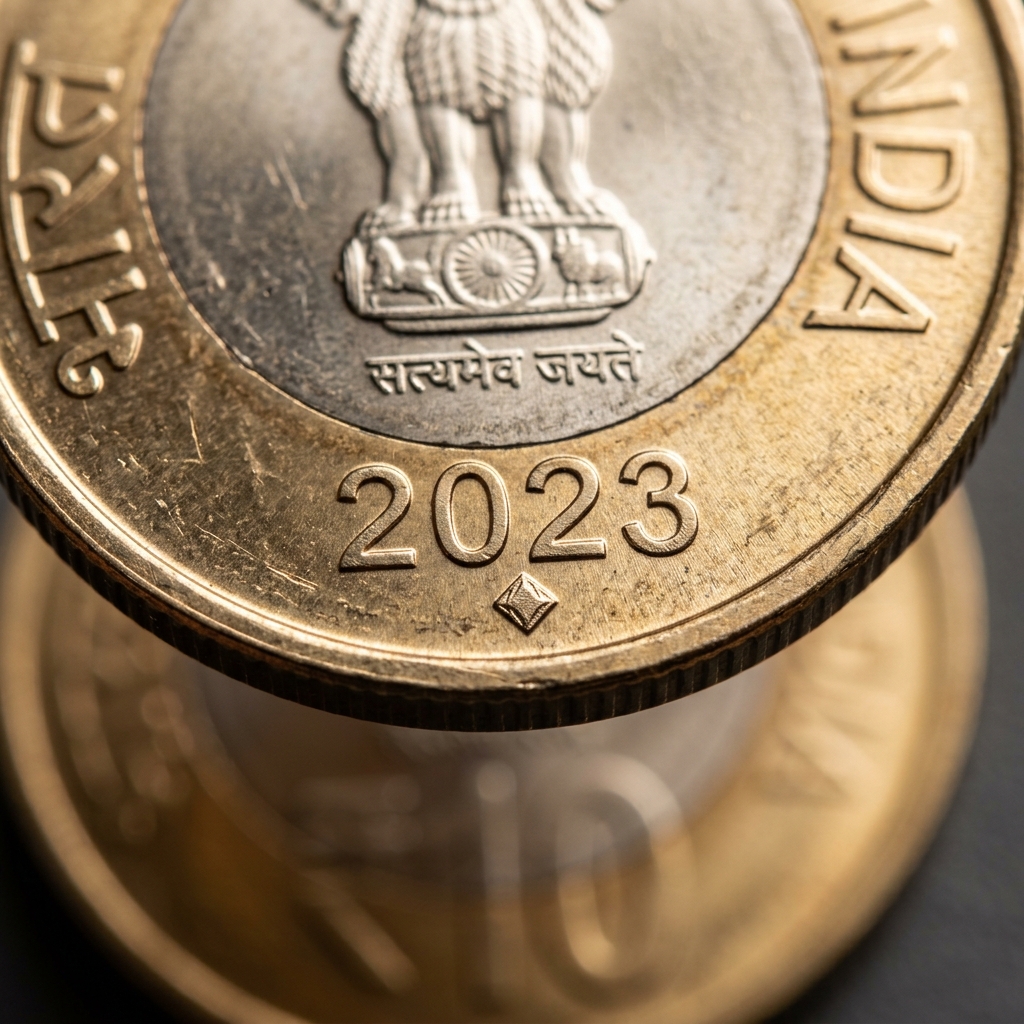
Collectors pay close attention to minor bust and crown variations (such as the 'A' bust vs. 'B' bust on Victoria issues). Additionally, check for marks under the date or crown: Kolkata (Calcutta) issues have no mark, whereas Bombay issues feature a raised or incuse dot, a diamond, or a letter 'B', allowing collectors to easily map out their production origins.
Was this numismatic guide helpful?
Your feedback helps our curatorial editorial team refine and expand our research.