Key Takeaways & Executive Summary
Understand how rarity, condition, demand, mintage and attribution can affect collectible value.
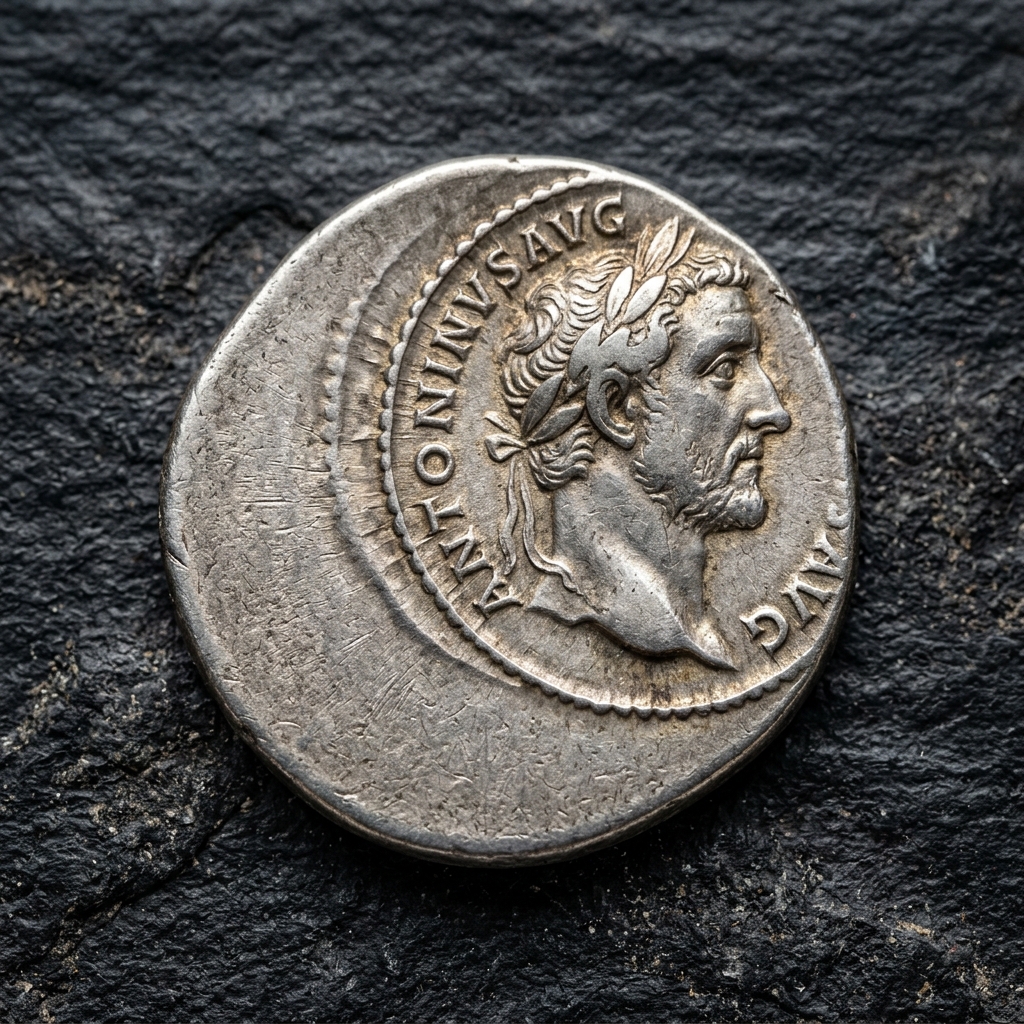
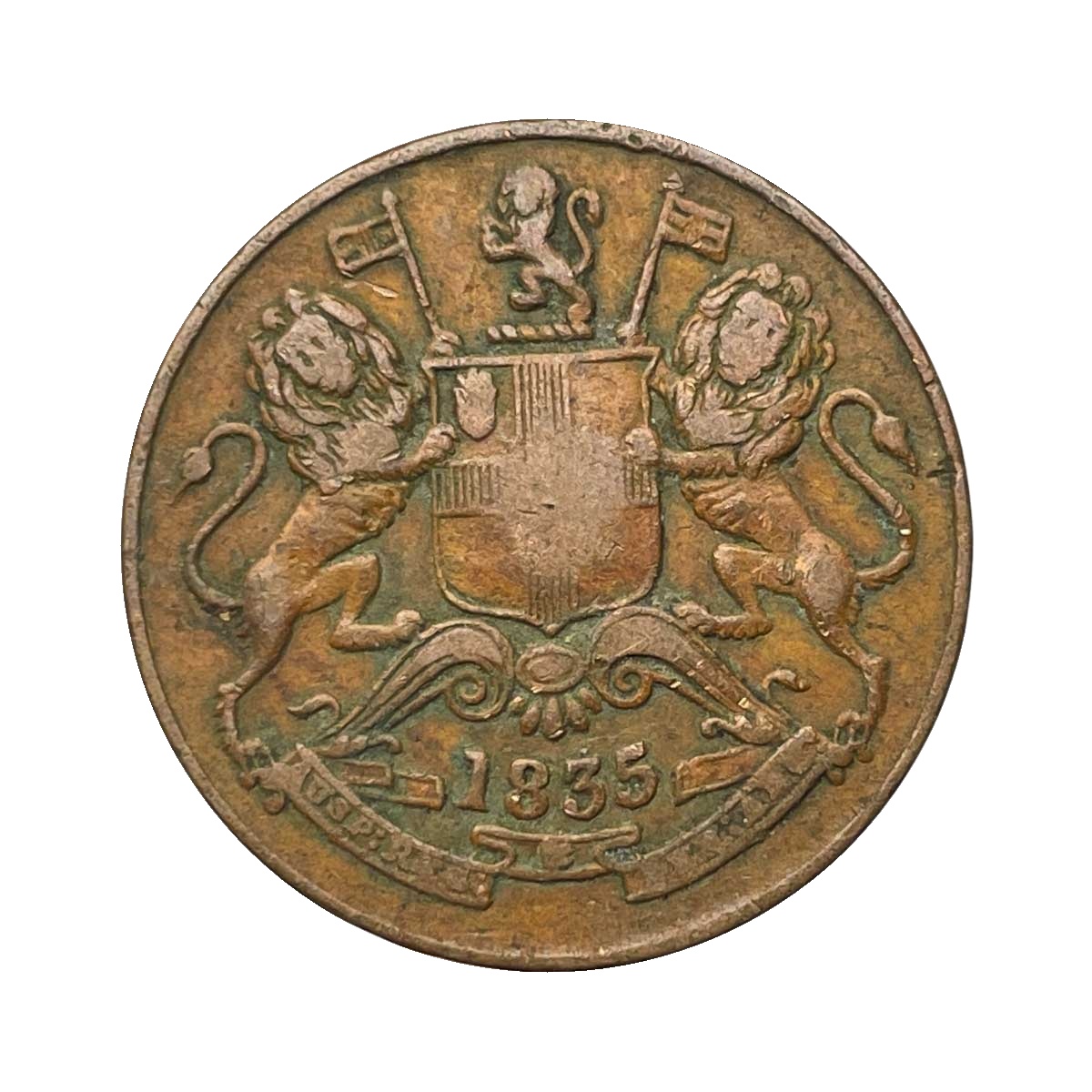
Carefully inspect the date, mint mark, metal purity, and die alignment.
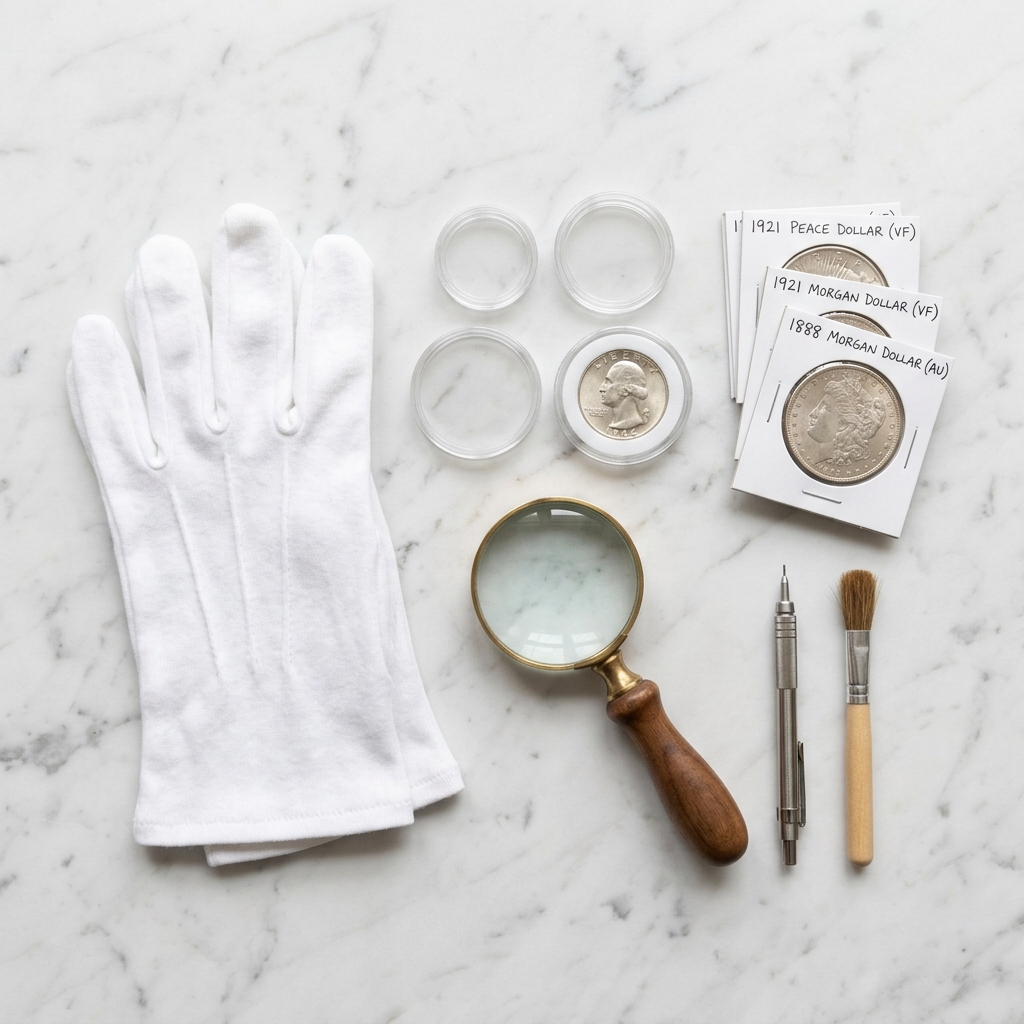
Always preserve natural surface integrity and avoid harsh chemical treatments.
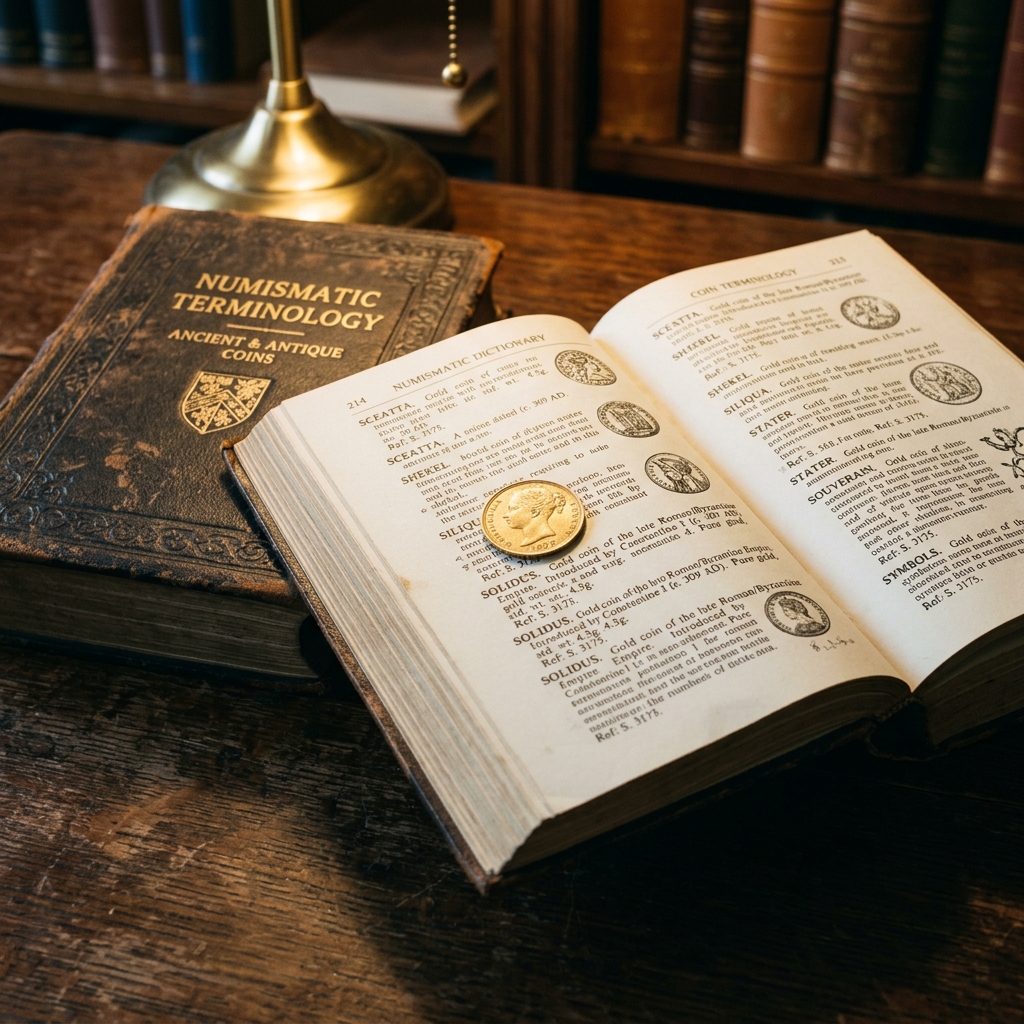
Cross-reference catalog numbers with verified numismatic references before purchase.
Value is evidence-based
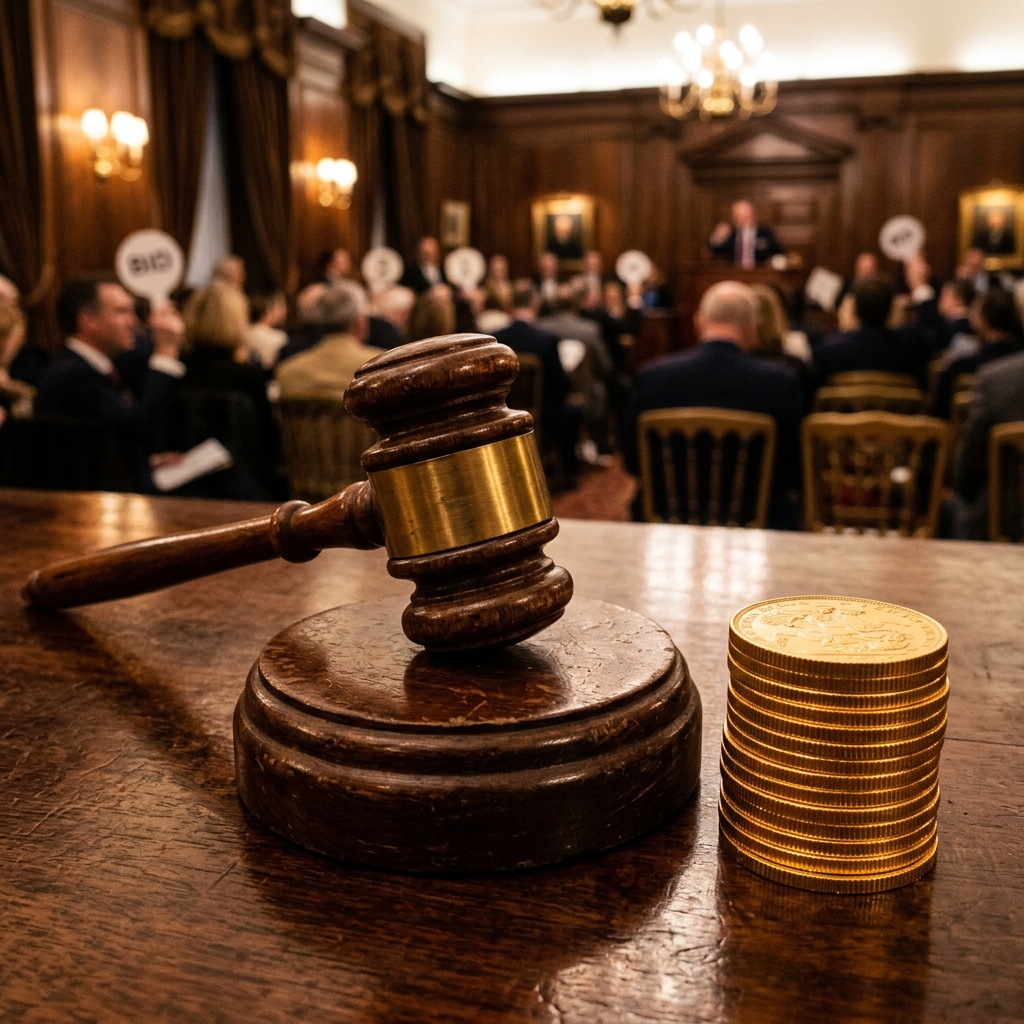
Determining the commercial and historical value of a coin requires objective, evidence-based research. A coin's valuation is driven by a combination of key elements: (how many coins of this exact type were minted and how many survive today), market demand (how many active collectors seek this coin), historical significance, and physical condition. In addition, documented —such as an ownership history tracing back to famous historical collections or official excavation records—adds substantial value and helps establish authenticity.
To find a coin's current value, consult recent, completed auction records rather than retail asking prices. Comparable sales from trusted numismatic houses provide the most accurate gauge of market price, showing what collectors are actually willing to pay for similar types of equivalent grades.
Condition matters
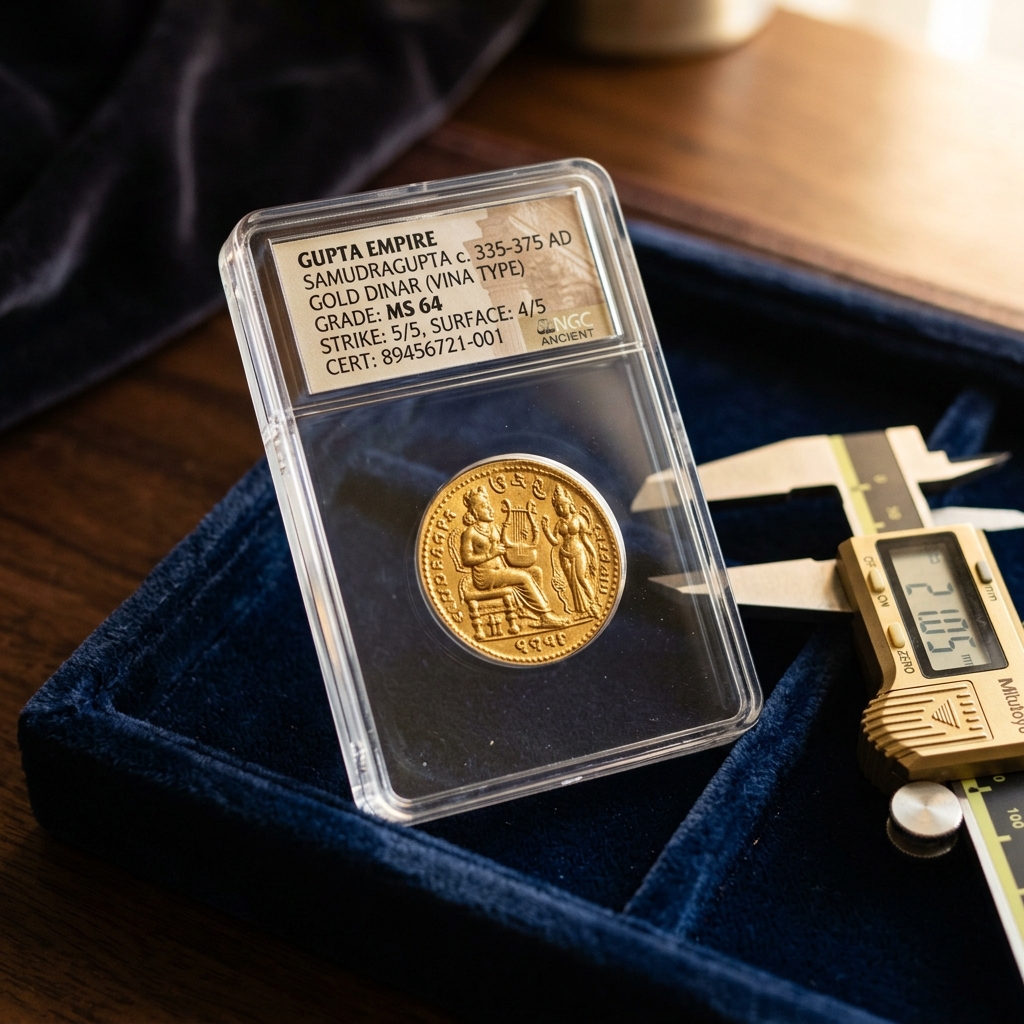
In numismatics, physical condition is one of the most critical factors of value. Coins are graded on an international scale ranging from Poor (P-1) to perfect State (MS-70), evaluating the amount of surface wear, remaining luster, and quality. A scarce coin in a high-grade condition (e.g., Extremely Fine or Uncirculated) can command a price ten or a hundred times higher than the same coin in a lower, worn state.
Conversely, , polishing, or altering a coin's surface severely damages its collectability. Harsh leaves hairline scratches and removes original metal surfaces, which can wipe out up to 80% of a coin's market value. Other issues that degrade value include environmental corrosion (verdigris), knocks, and scratches. When evaluating a rare coin, it is highly recommended to seek professional certification from recognized grading services to confirm both its authenticity and numerical .
Curated Specimen Examples
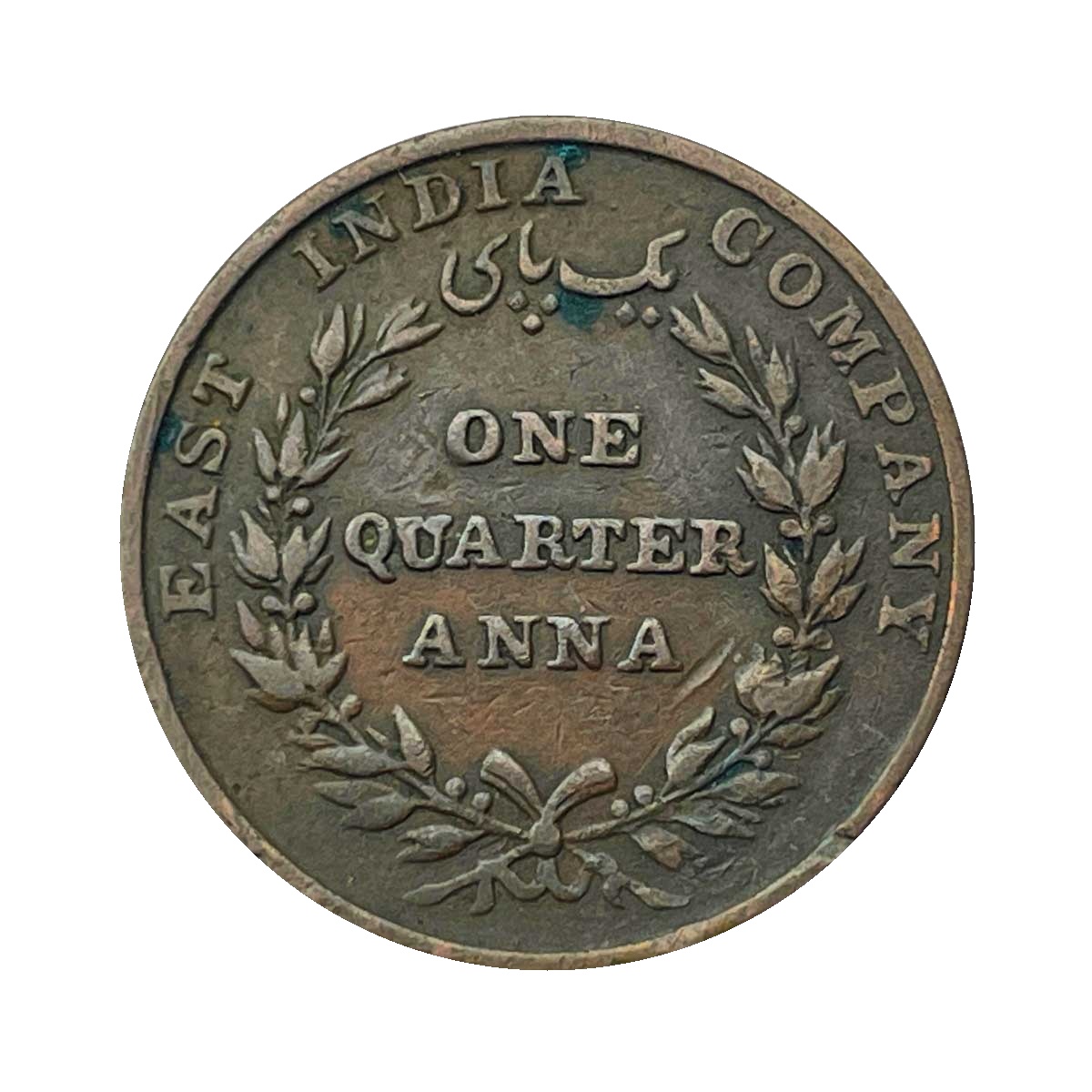
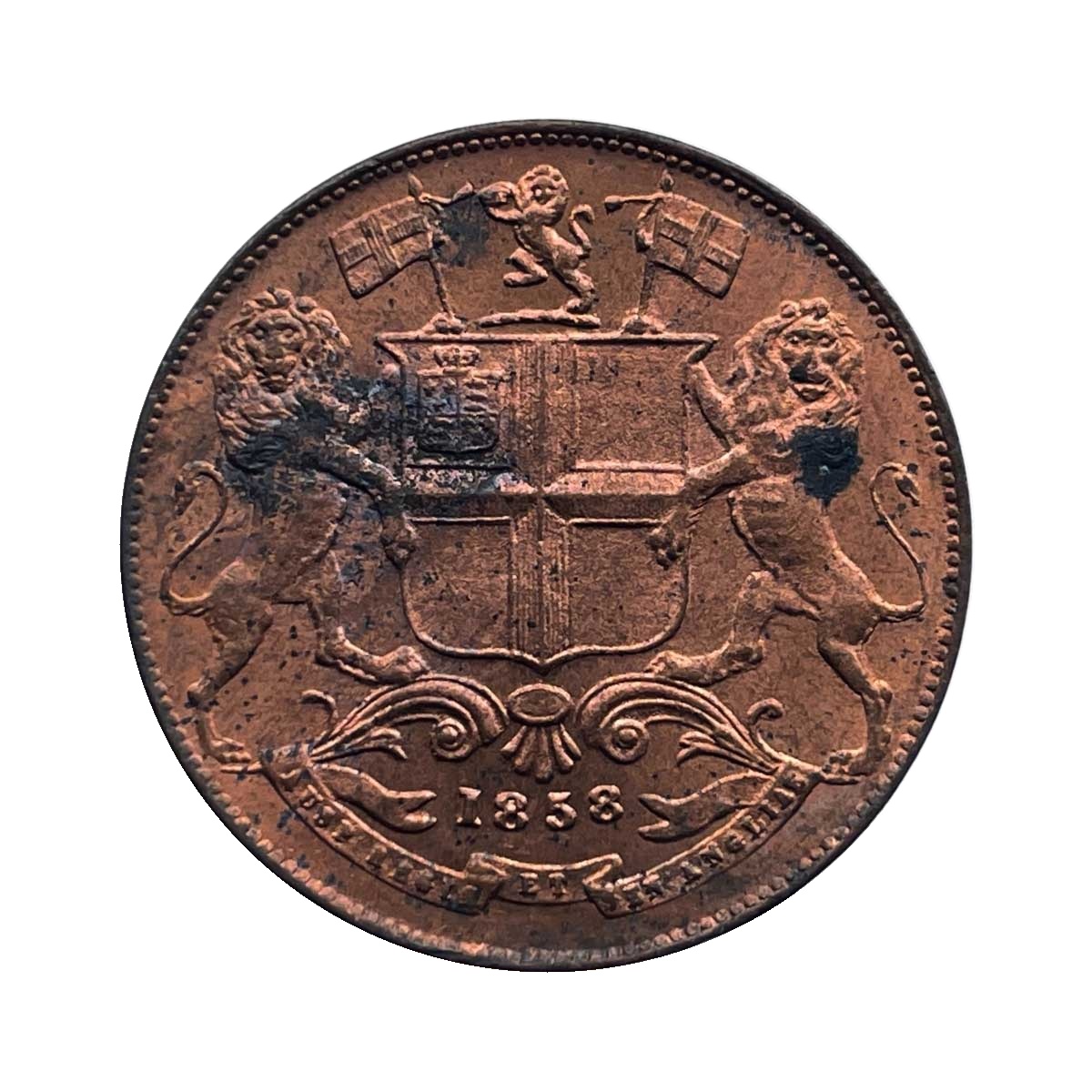
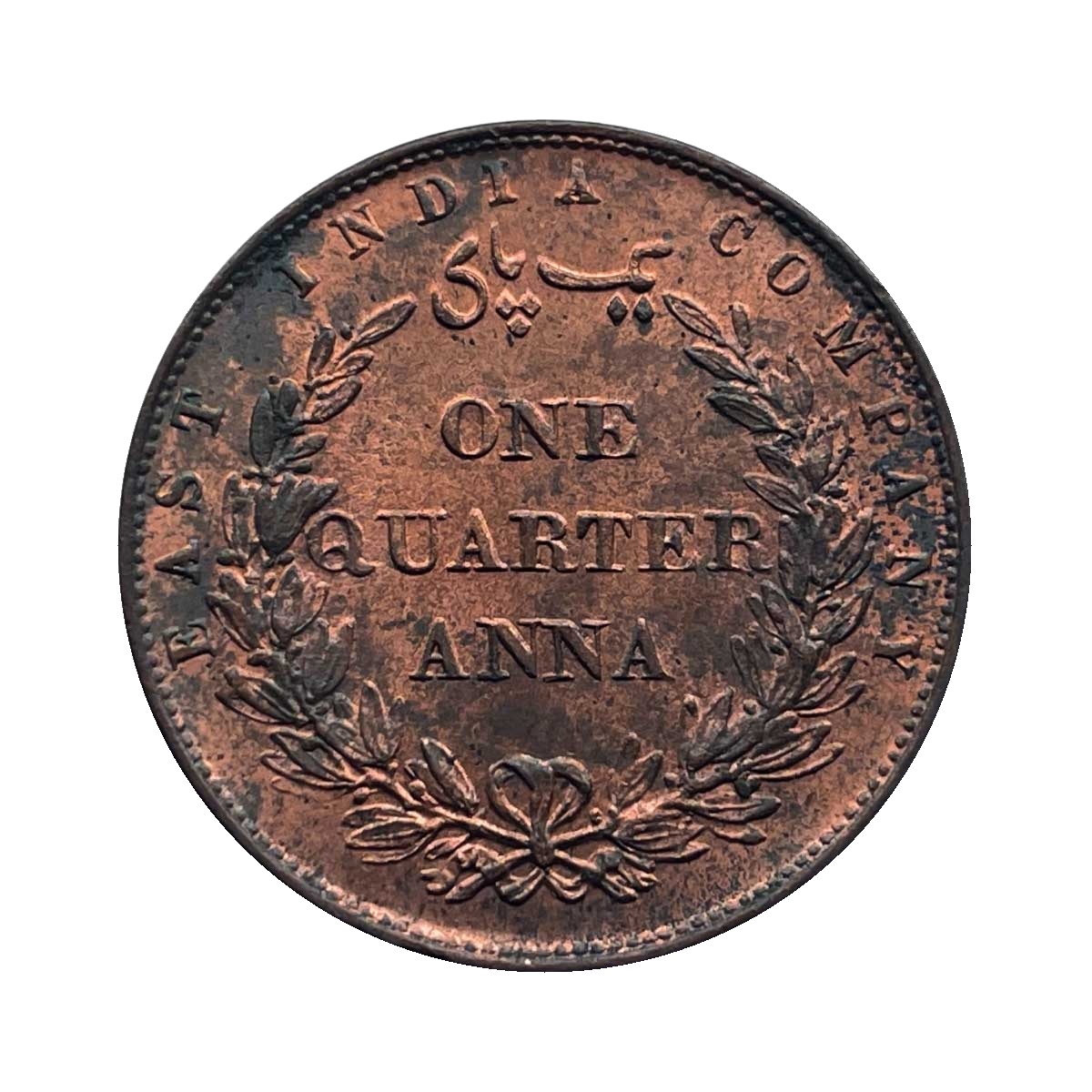
An Uncirculated coin (MS-60+) retains all original mint luster, while a Very Good (VG-8) coin shows significant wear on the highest points.
Common Pitfalls & Mistakes to Avoid
Frequently Asked Questions
Does the age of a coin make it valuable?
No. Age is just one factor. A 2,000-year-old coin can be very common, while a 1939 British India silver rupee can be extremely valuable due to low survival rates.
What is a "Key Date"?
A key date is a specific year and mint mark combination that is the rarest or hardest to find in a particular coin series.
Explore the details
Was this numismatic guide helpful?
Your feedback helps our curatorial editorial team refine and expand our research.