Key Takeaways & Executive Summary
Never use flexible vinyl flips containing PVC (polyvinyl chloride); they leach acidic plasticizers that form green slime.
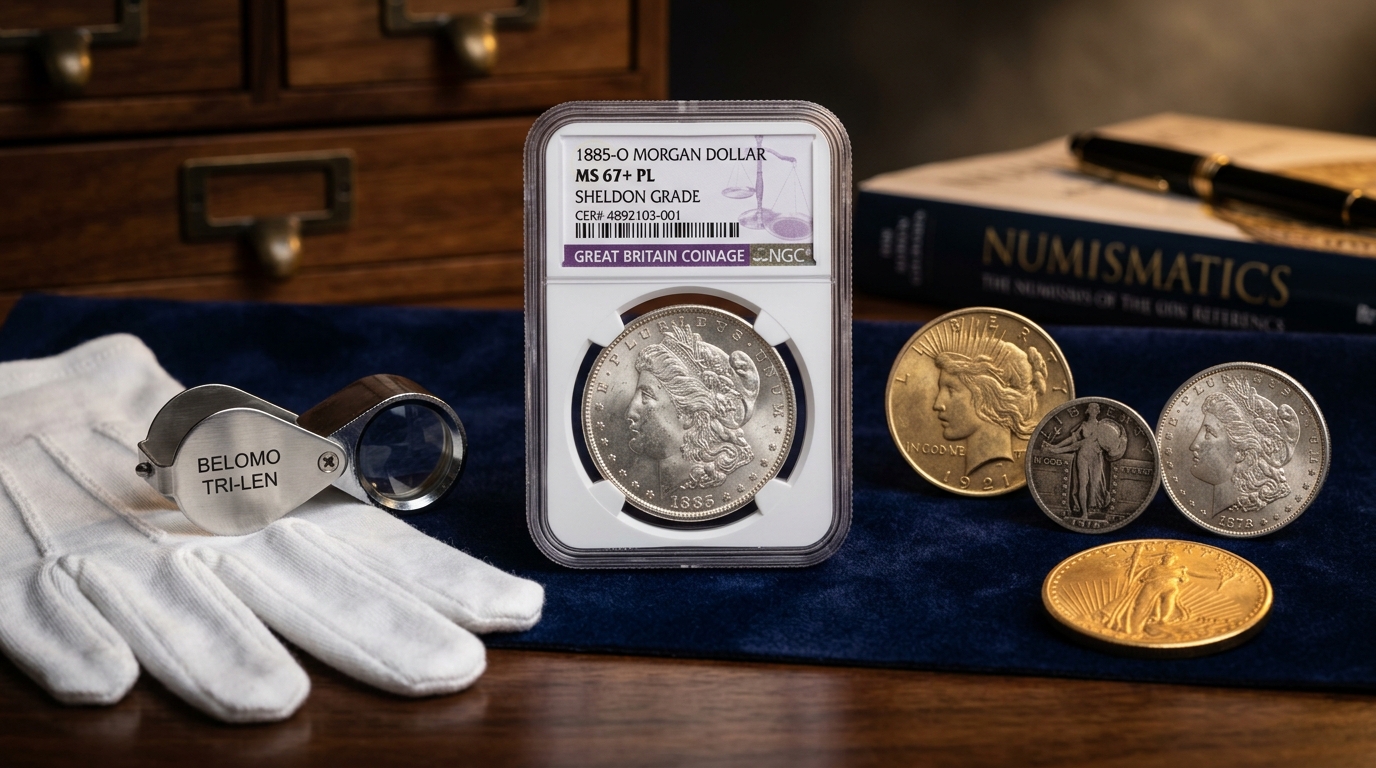
Always hold coins strictly by their rims/edges, never touching the obverse or reverse fields with bare fingers.
Store collections in a climate-controlled environment with relative humidity below 45% using silica gel desiccant.
Cleaning a coin with polish, dips, or cloths causes hairline scratches that instantly destroy numismatic value.
Cleaning warning
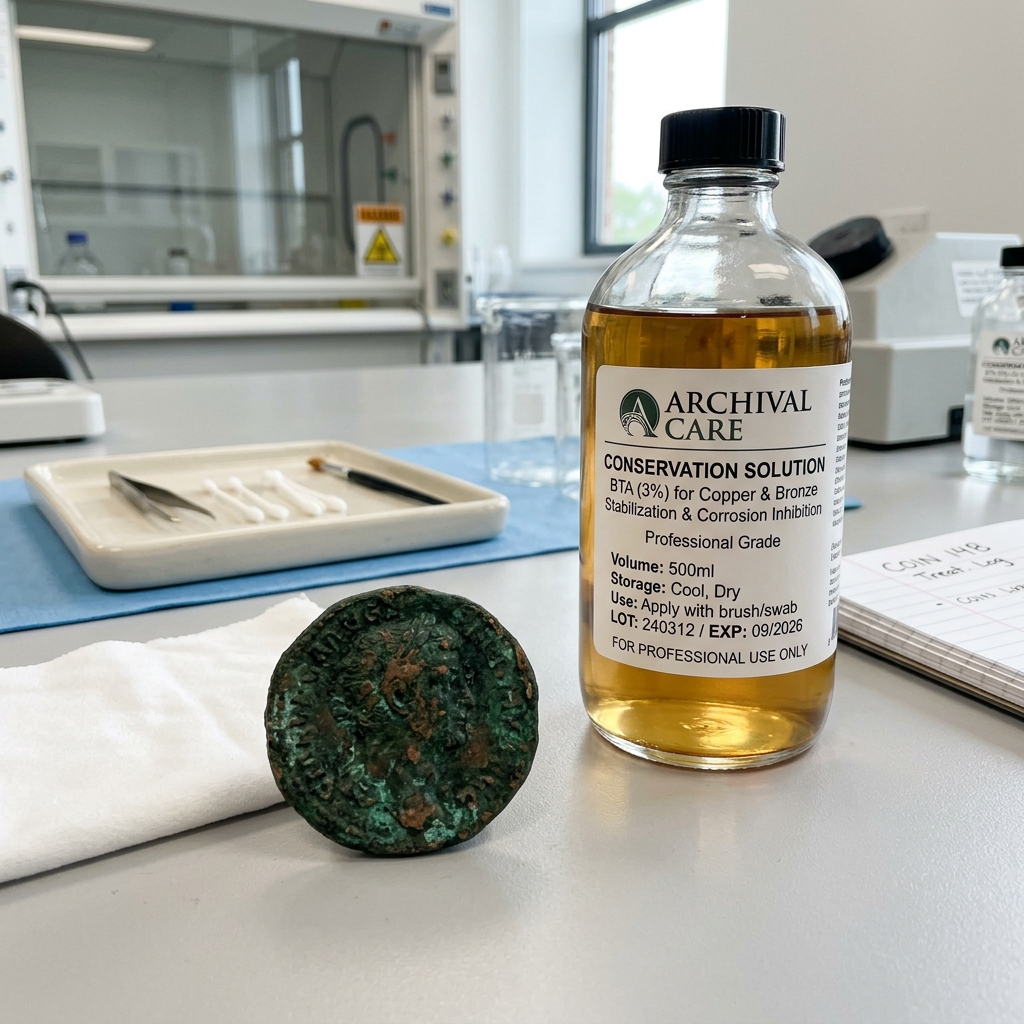
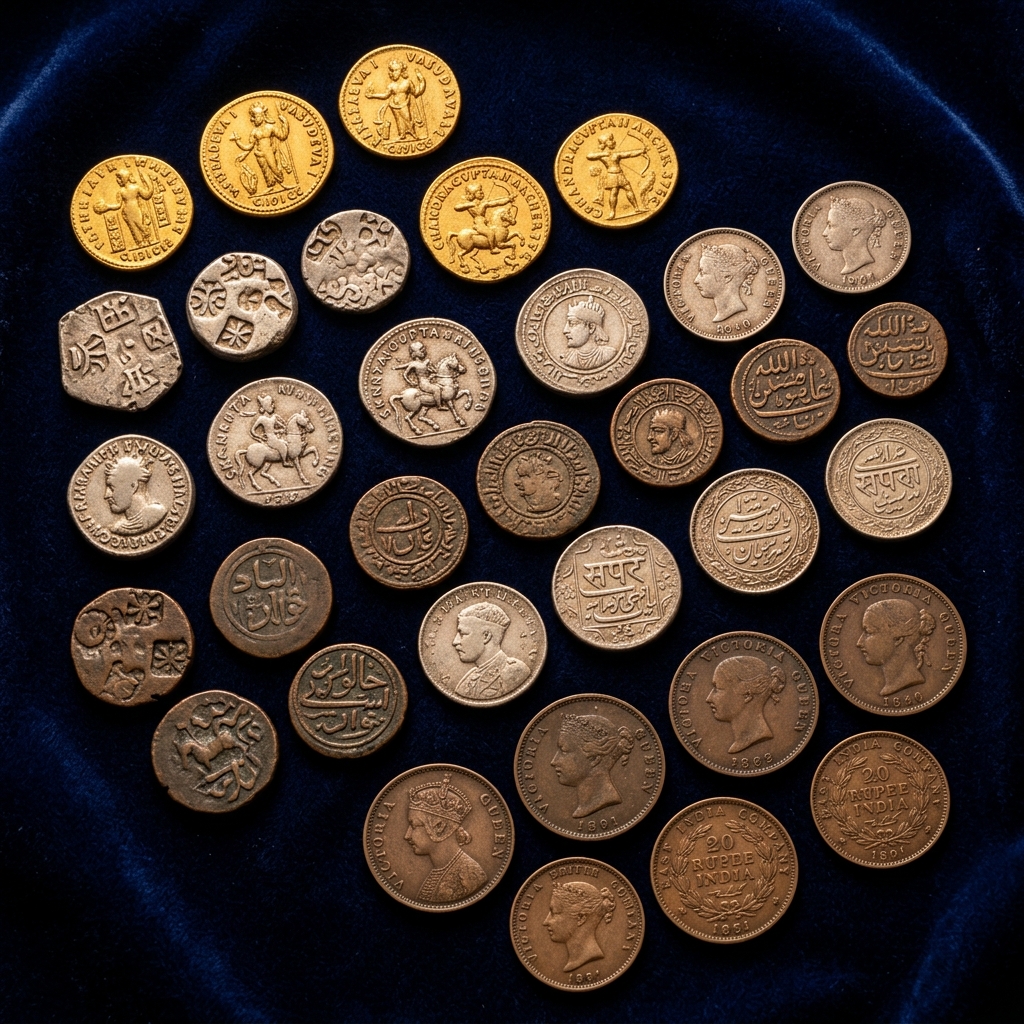
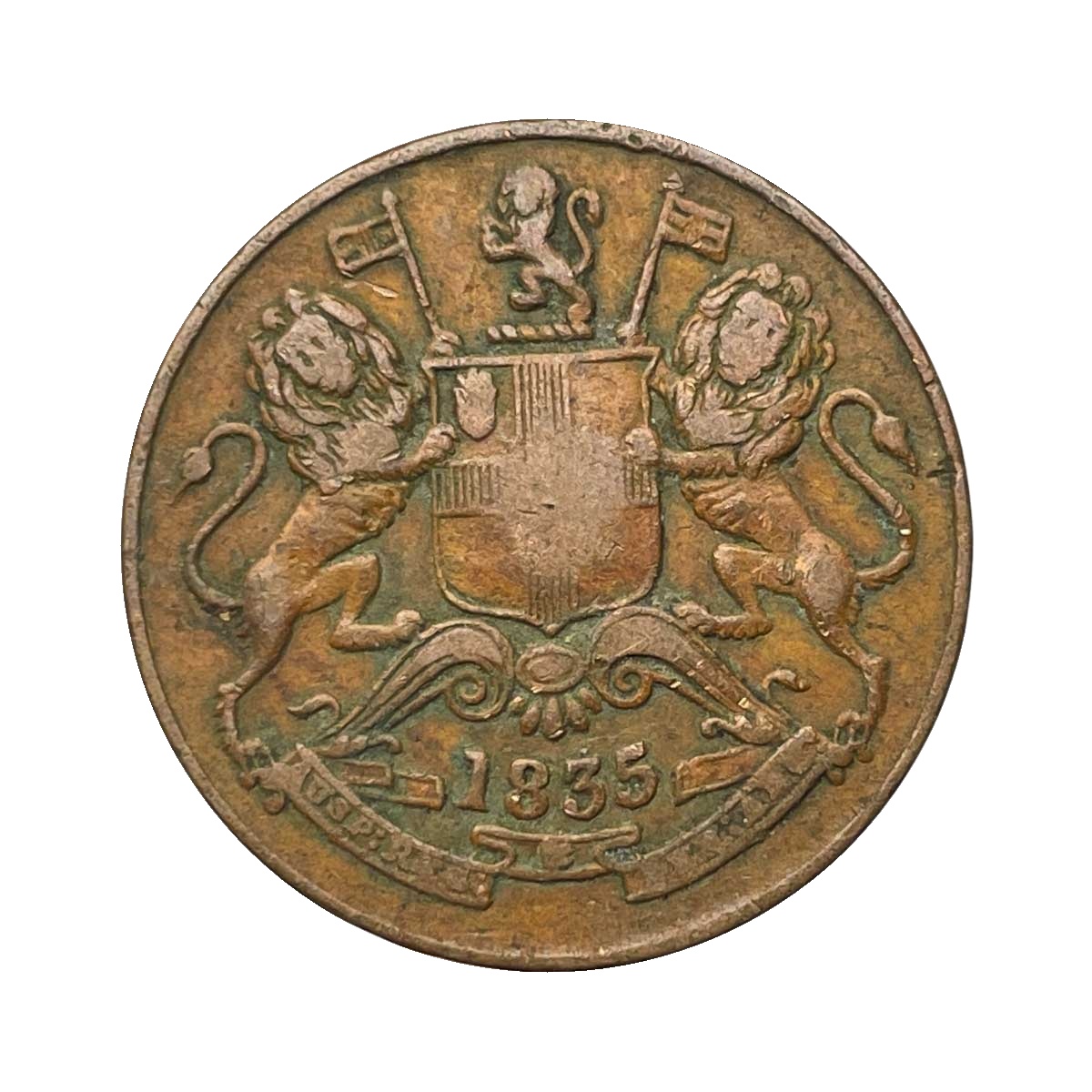
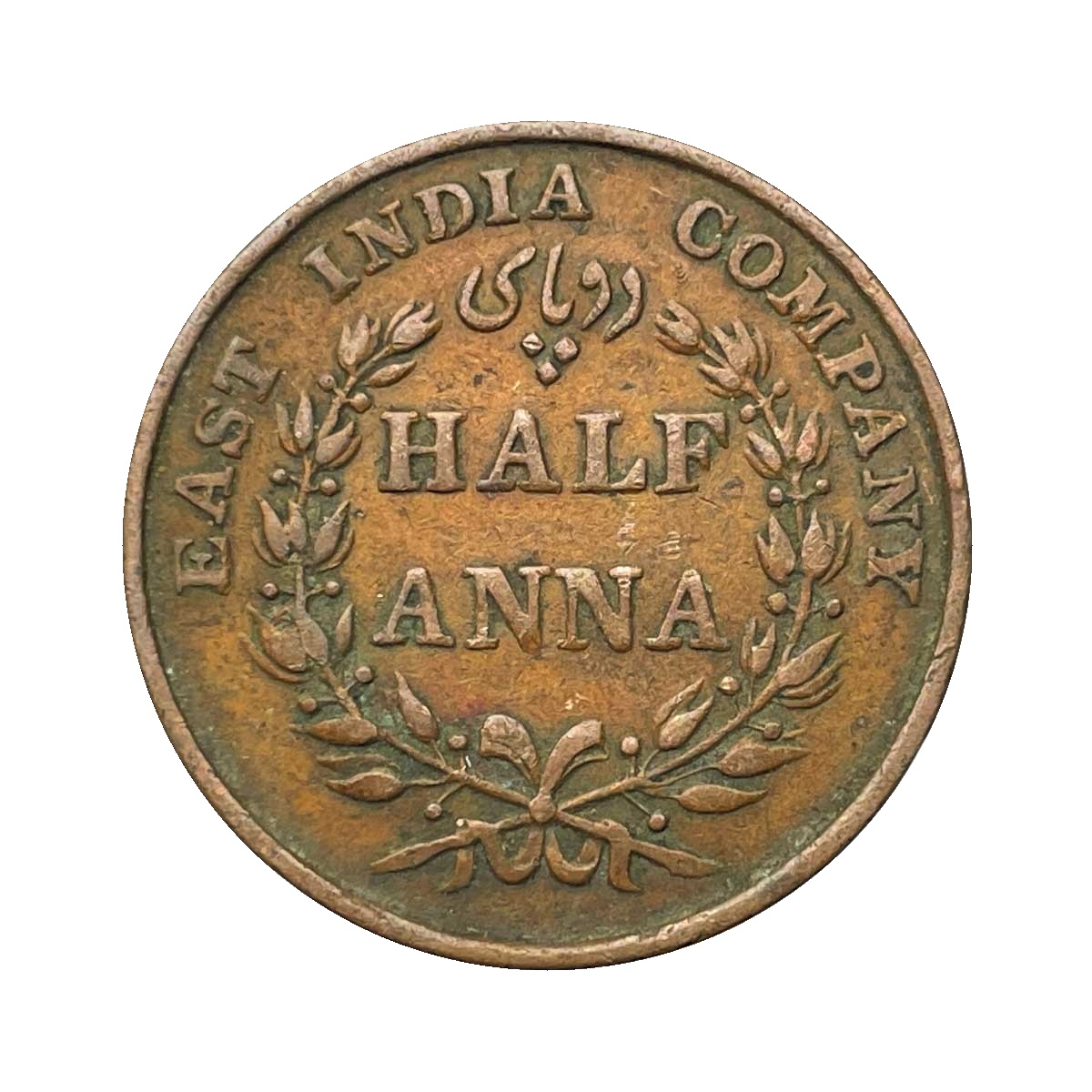
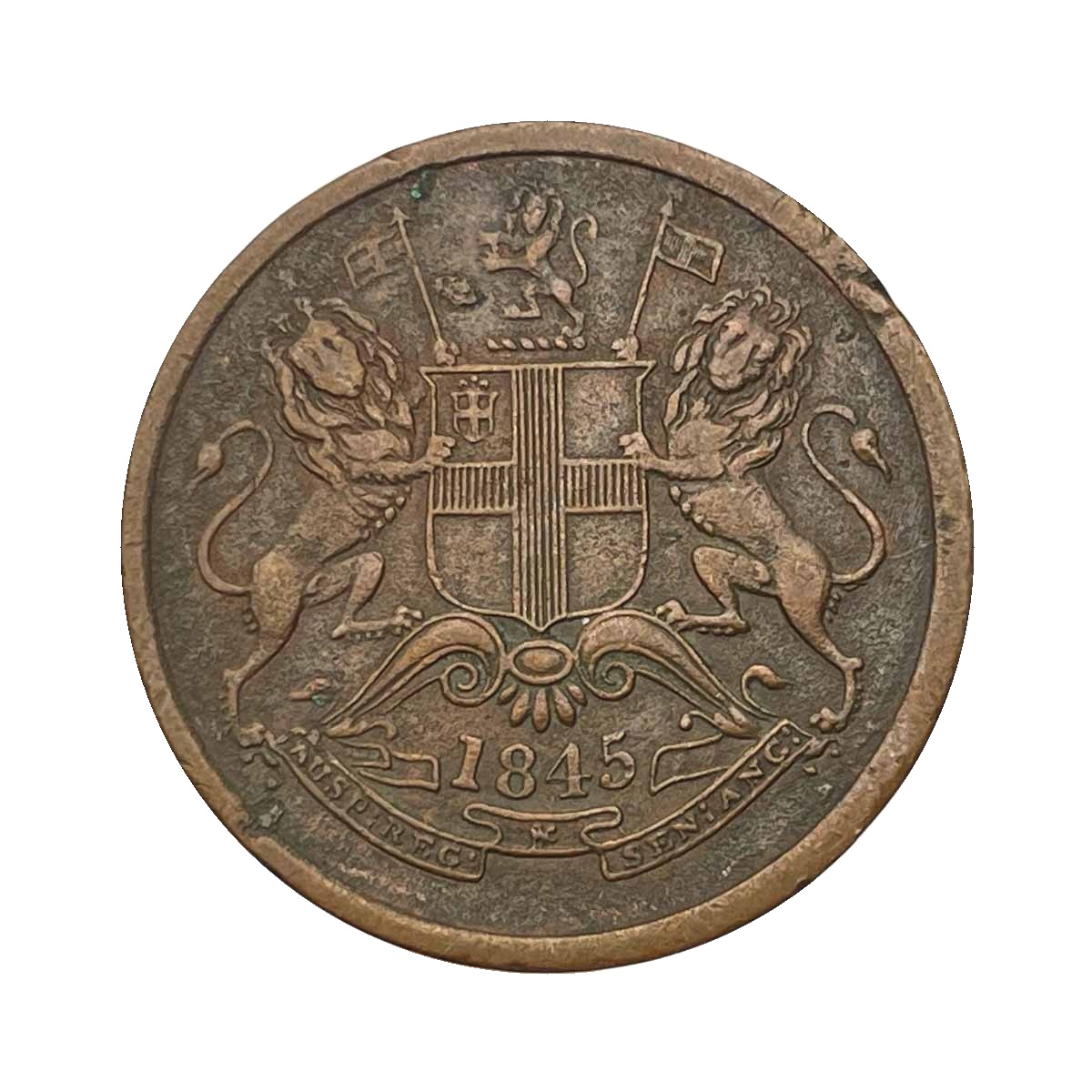
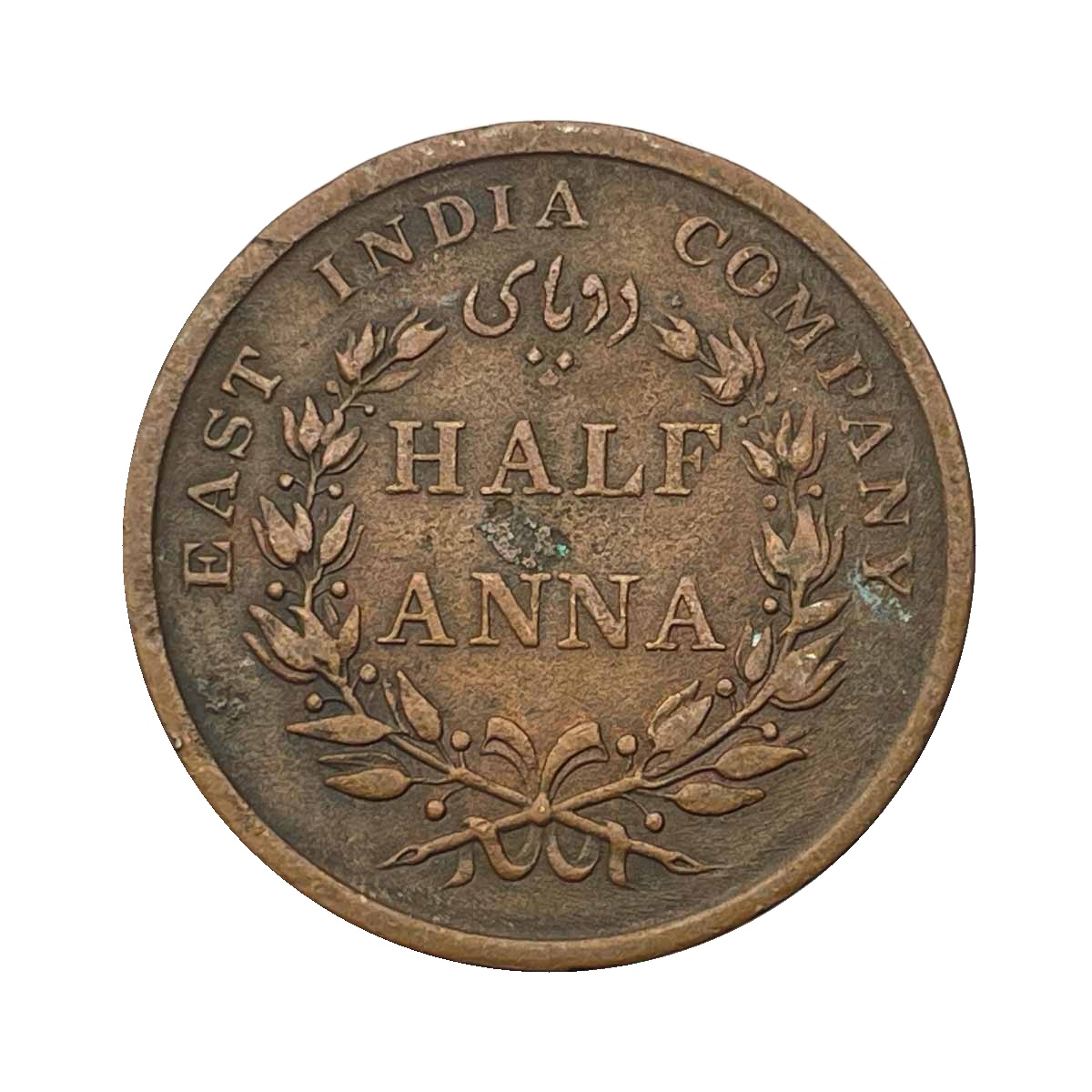
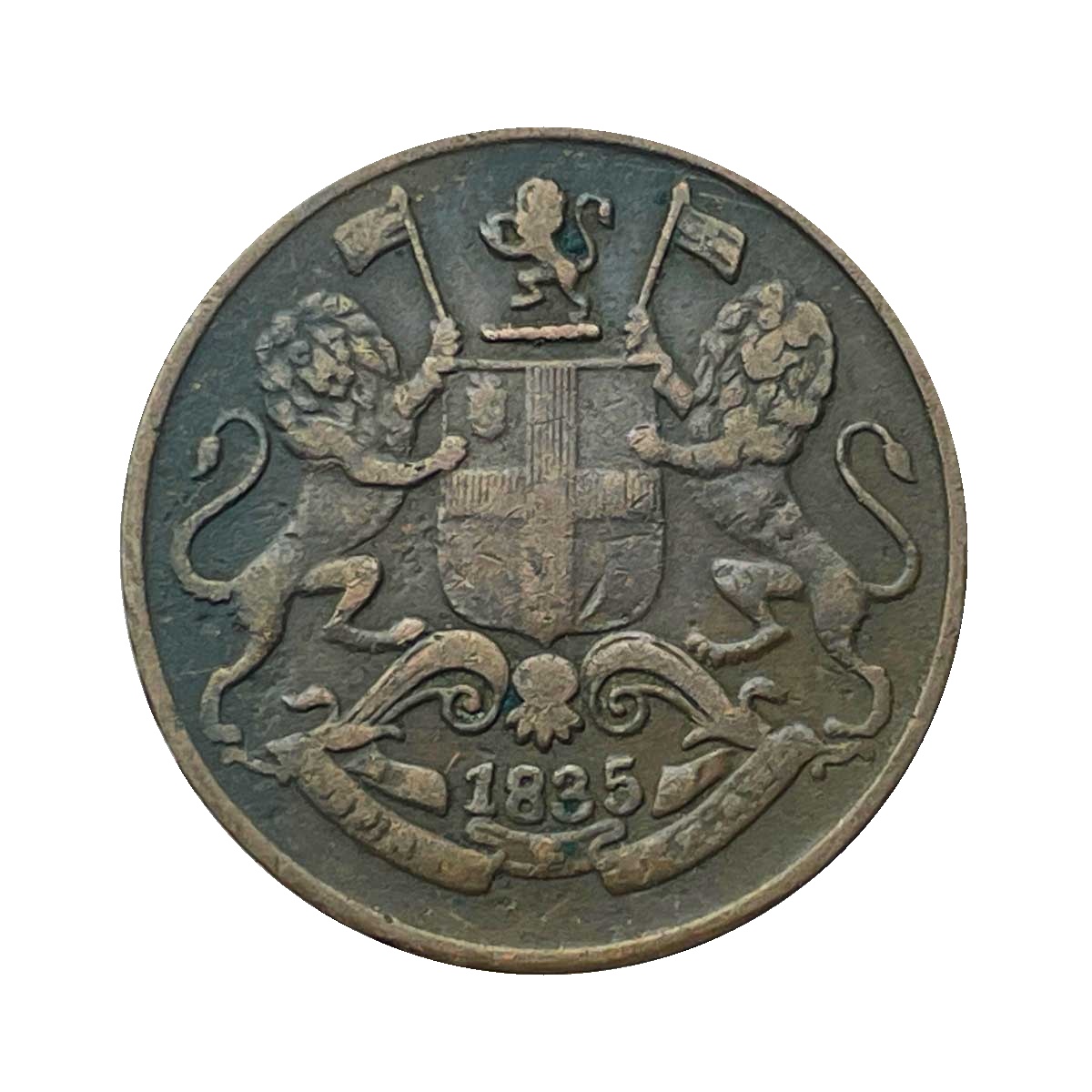
The golden rule of coin collecting is to never clean your coins. Professional collectors and museum curators highly prize 'original surfaces'—including the natural, dark oxidation layers () that develop on copper, silver, and bronze coins over decades or centuries. a coin with chemical dips, wire brushes, metal polish, or even abrasive cloths strips away microscopic layers of metal. This permanently removes the coin's original luster and results in a harsh, unnaturally shiny appearance that can reduce its market value by 80% or more.
If a coin has loose dirt, it can be gently rinsed in distilled water and air-dried on a soft towel. However, if a coin shows stubborn dirt, green residue, or active corrosion (like bronze disease), seek advice from a professional numismatic conservation specialist rather than attempting to clean it yourself.
Storage basics
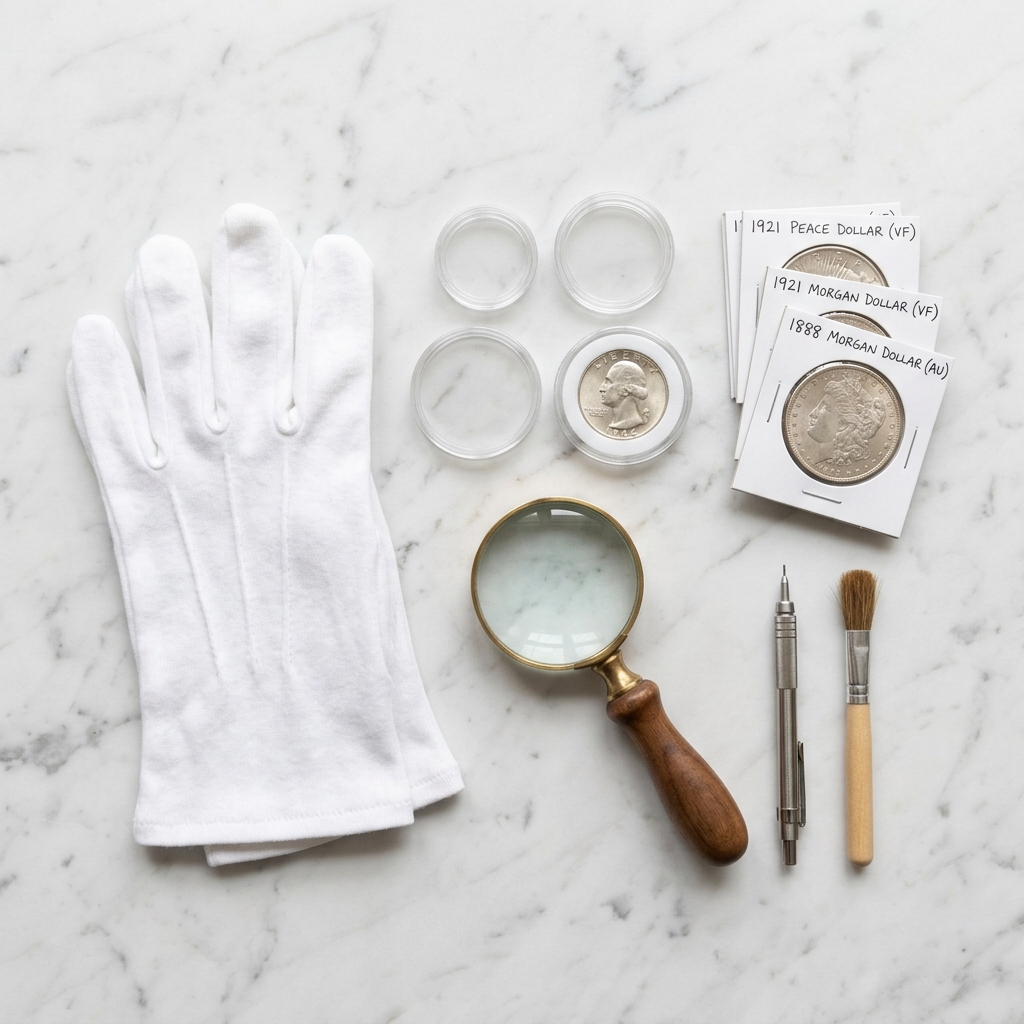
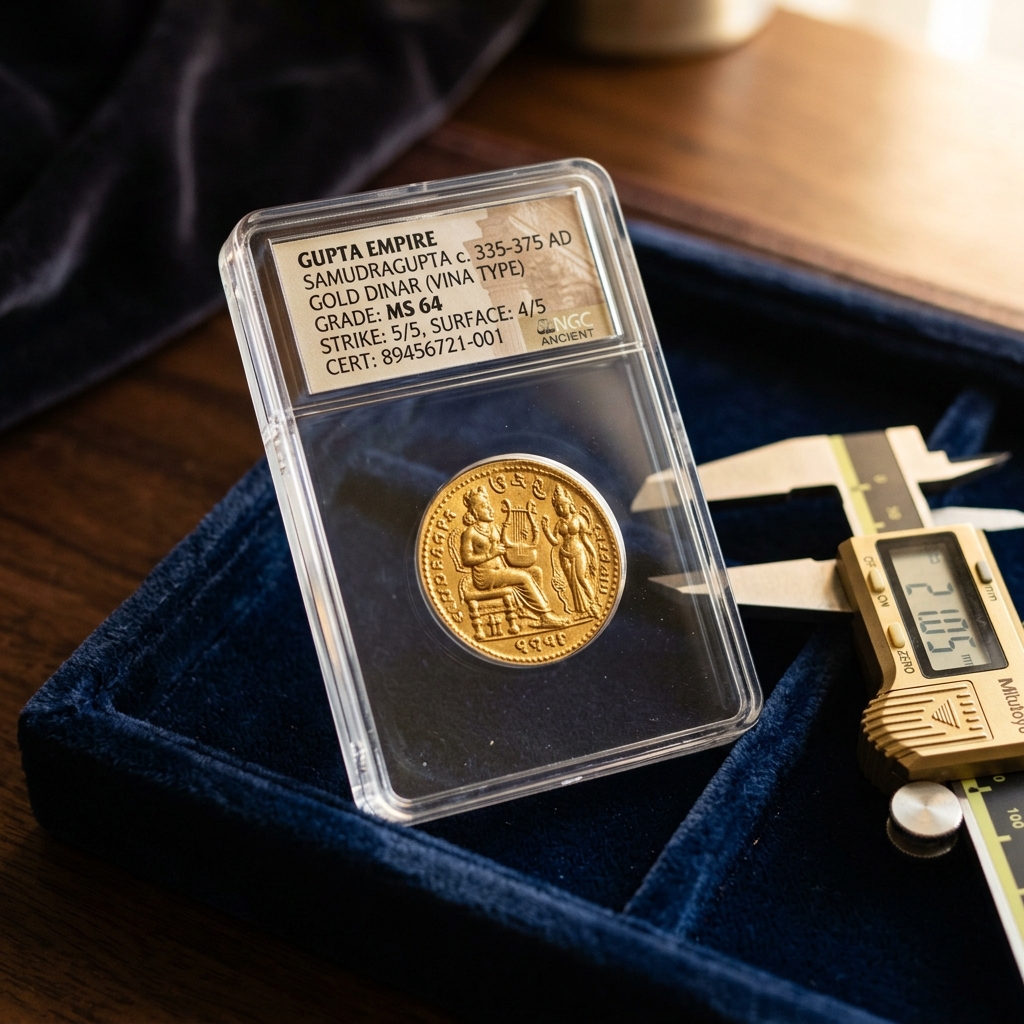
Safe storage is crucial to protect your collection from physical wear and environmental damage. Always handle coins by their edges, never touching the flat faces, to prevent acidic skin oils from transferring to the metal surfaces and causing dark spots. For storage, use archival-quality materials. Avoid cheap vinyl holders containing polyvinyl chloride (PVC), as vinyl degrades over time and releases corrosive gases that turn coin surfaces green with sticky, acidic slime. Instead, use PVC-free flips made of polyethylene teachphthalate (Mylar), hard PMMA plastic capsules, or acid-free paper envelopes.
Keep your coins in a cool, dry place. Maintain relative humidity below 50% by placing silica gel packs inside your coin cabinets or storage boxes. Keep any written labels separate from the coin's direct surface to prevent inks and paper acids from bleeding into the metal.
Common mistakes
Many collectors accidentally damage their coins through improper handling and storage habits. Common pitfalls include storing coins loosely in drawers or jars where they constantly rub against each other, causing unsightly scratches ('bag marks') and dents. Never wrap coins in rubber bands (which contain sulfur that blackens silver) or use adhesive tape directly on them. Additionally, avoid storing collections in unventilated basements, hot attics, or wooden boxes containing acidic resins, as these environments accelerate metal corrosion and cause irreversible damage.
Explore the details
Was this numismatic guide helpful?
Your feedback helps our curatorial editorial team refine and expand our research.