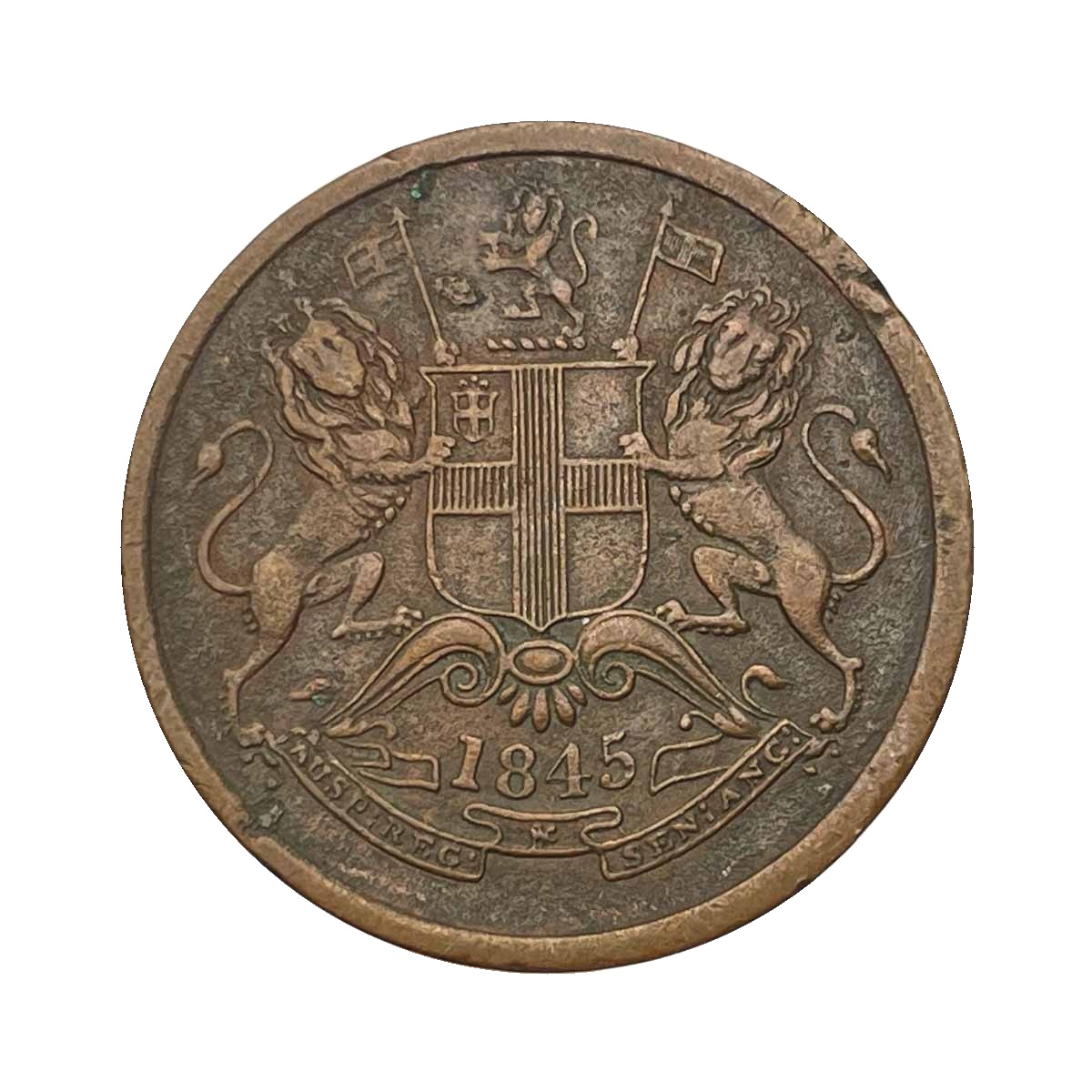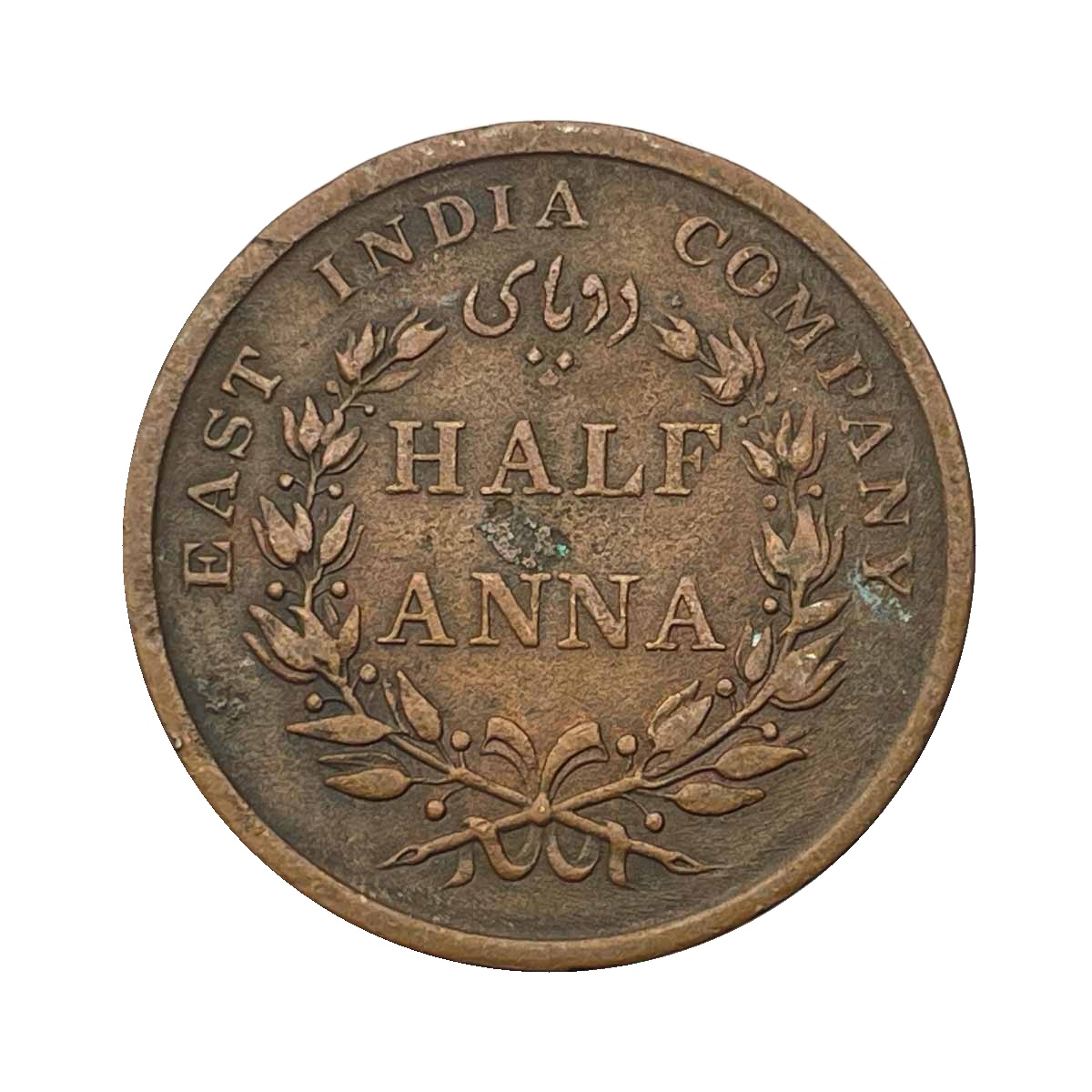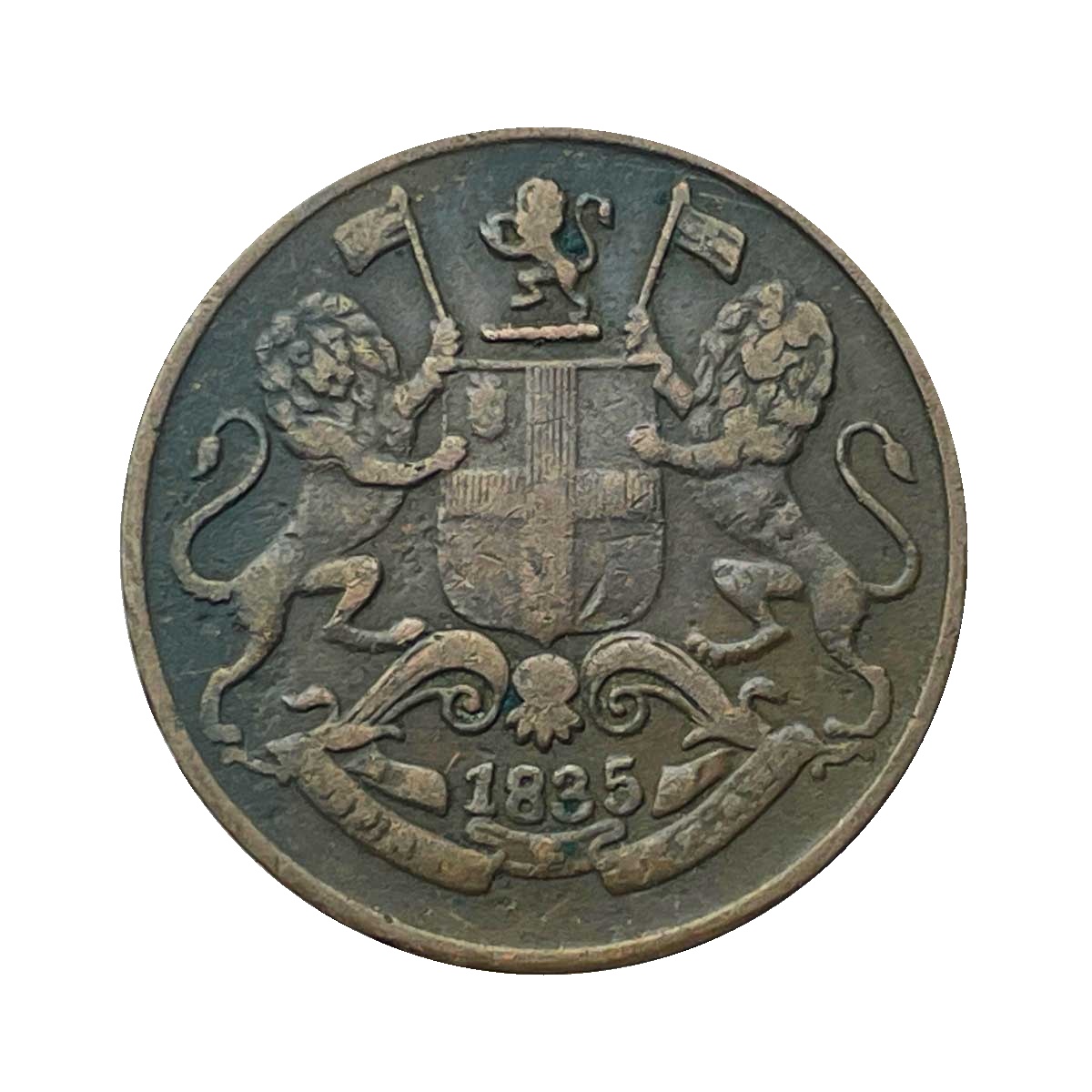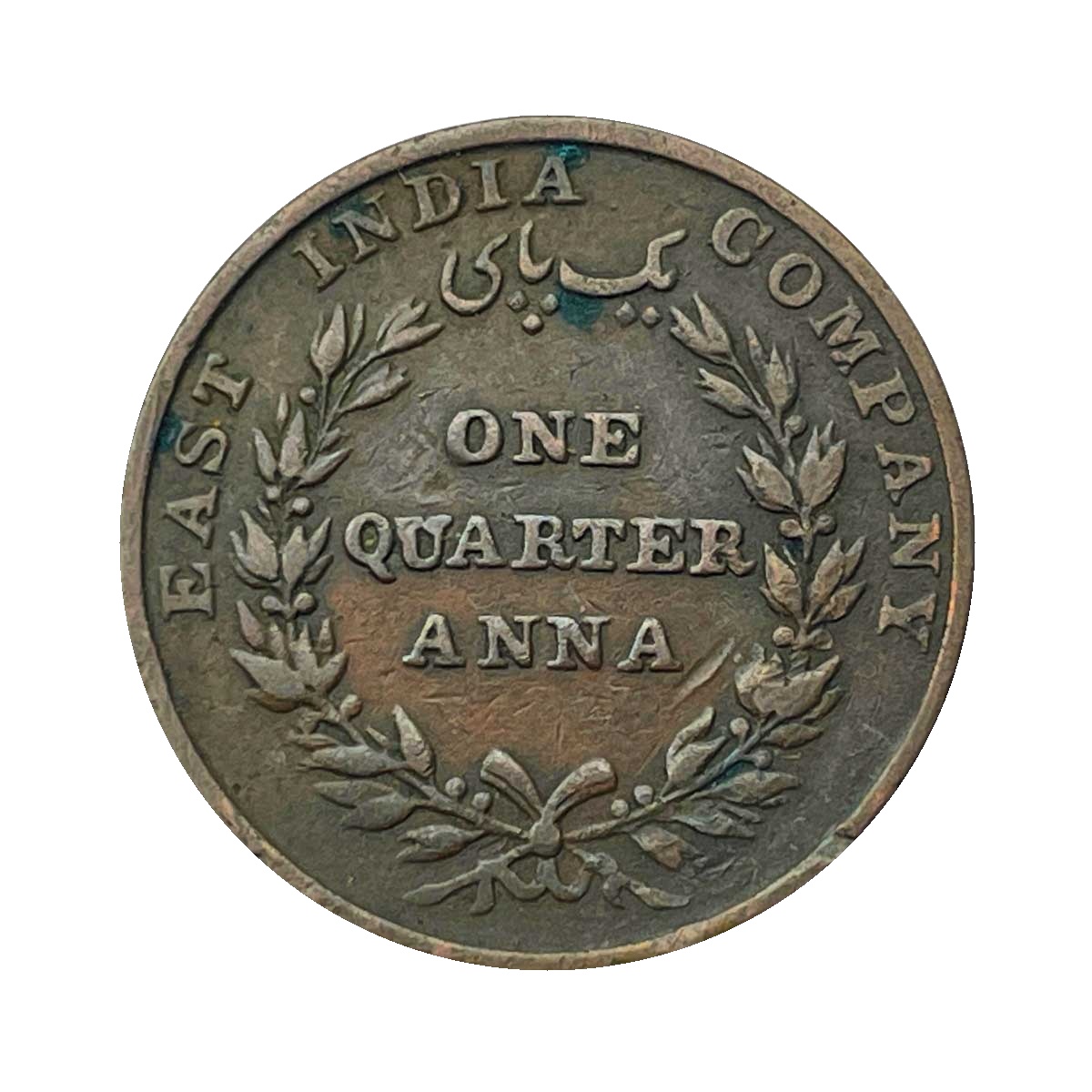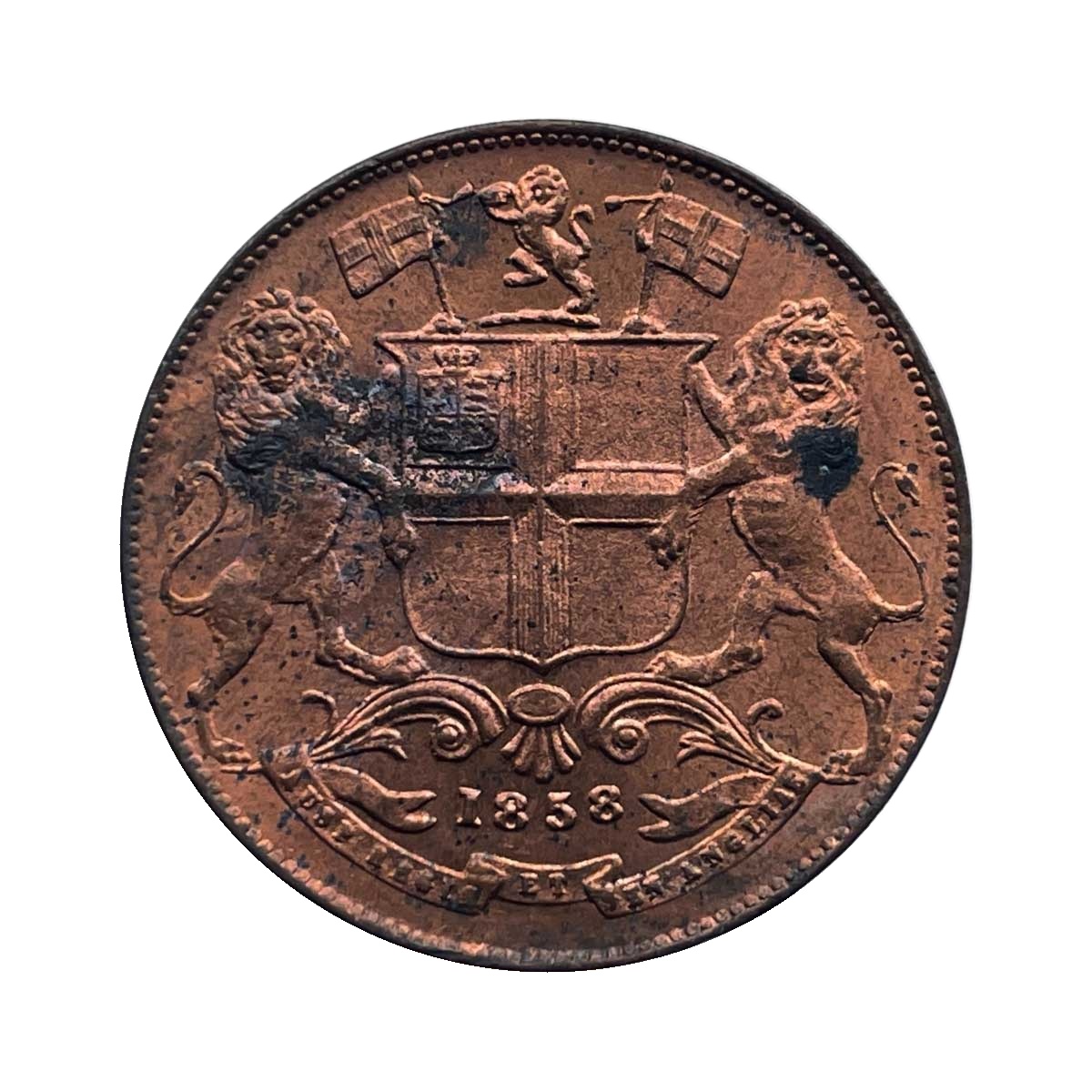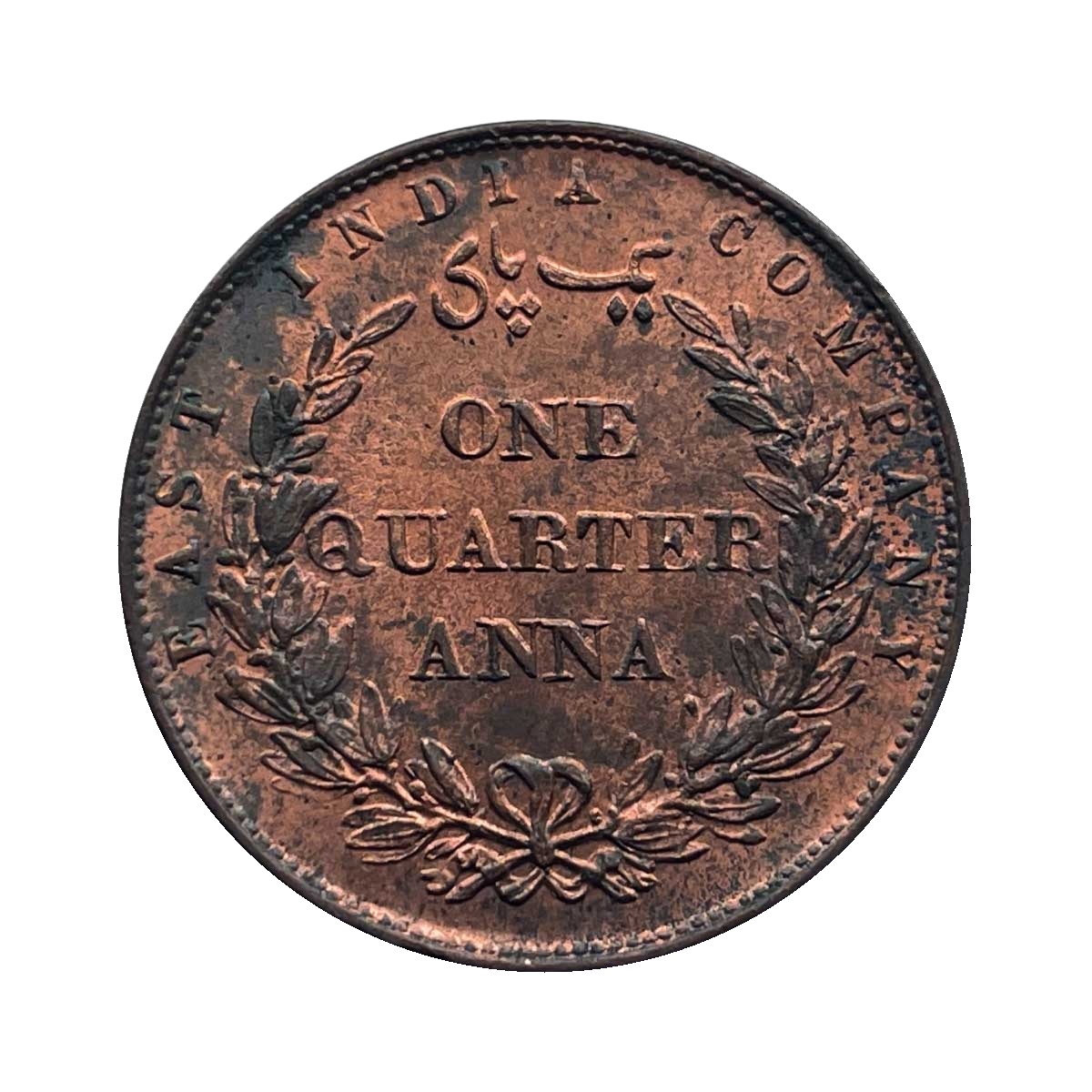
Key Takeaways & Executive Summary
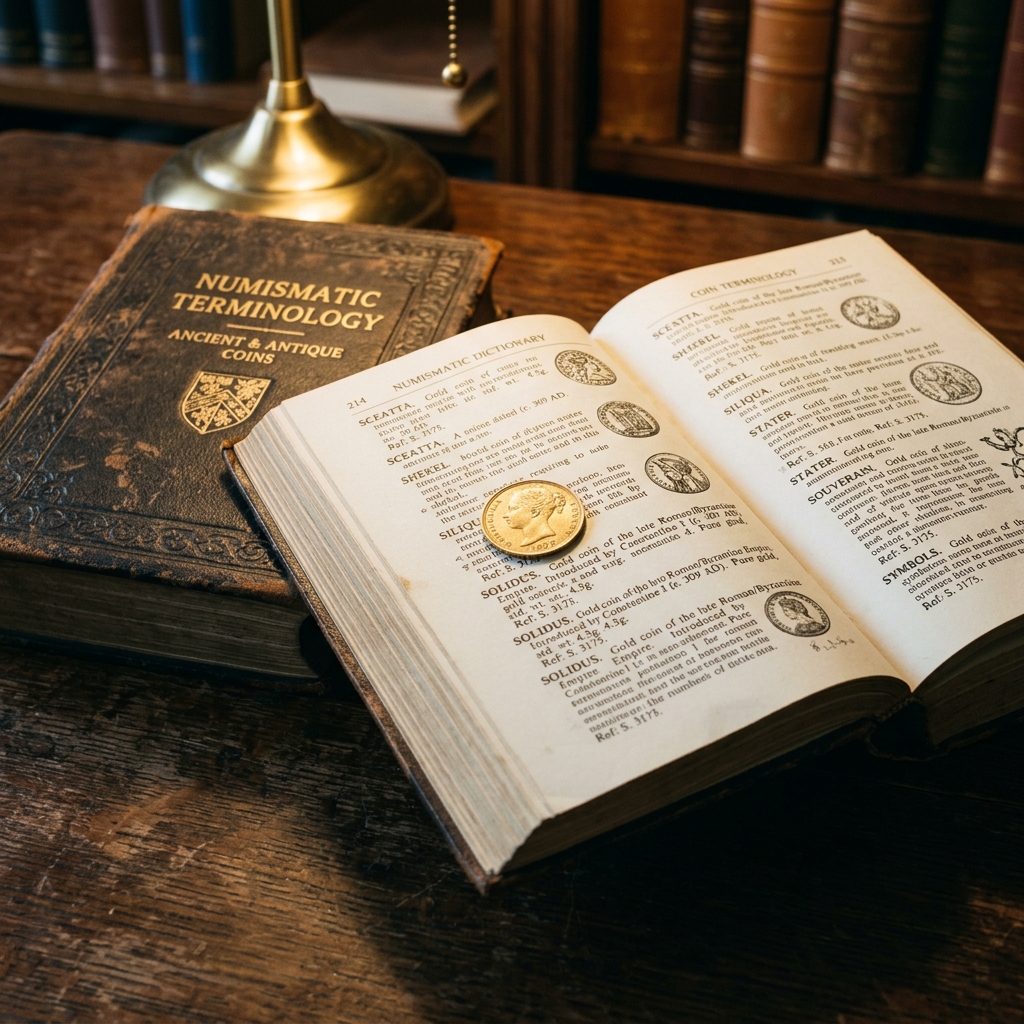
Identify coins using denomination, script, ruler, dynasty, date, mint mark, metal and design.
Carefully inspect the date, mint mark, metal purity, and die alignment.
Always preserve natural surface integrity and avoid harsh chemical treatments.
Cross-reference catalog numbers with verified numismatic references before purchase.
Start with visible evidence
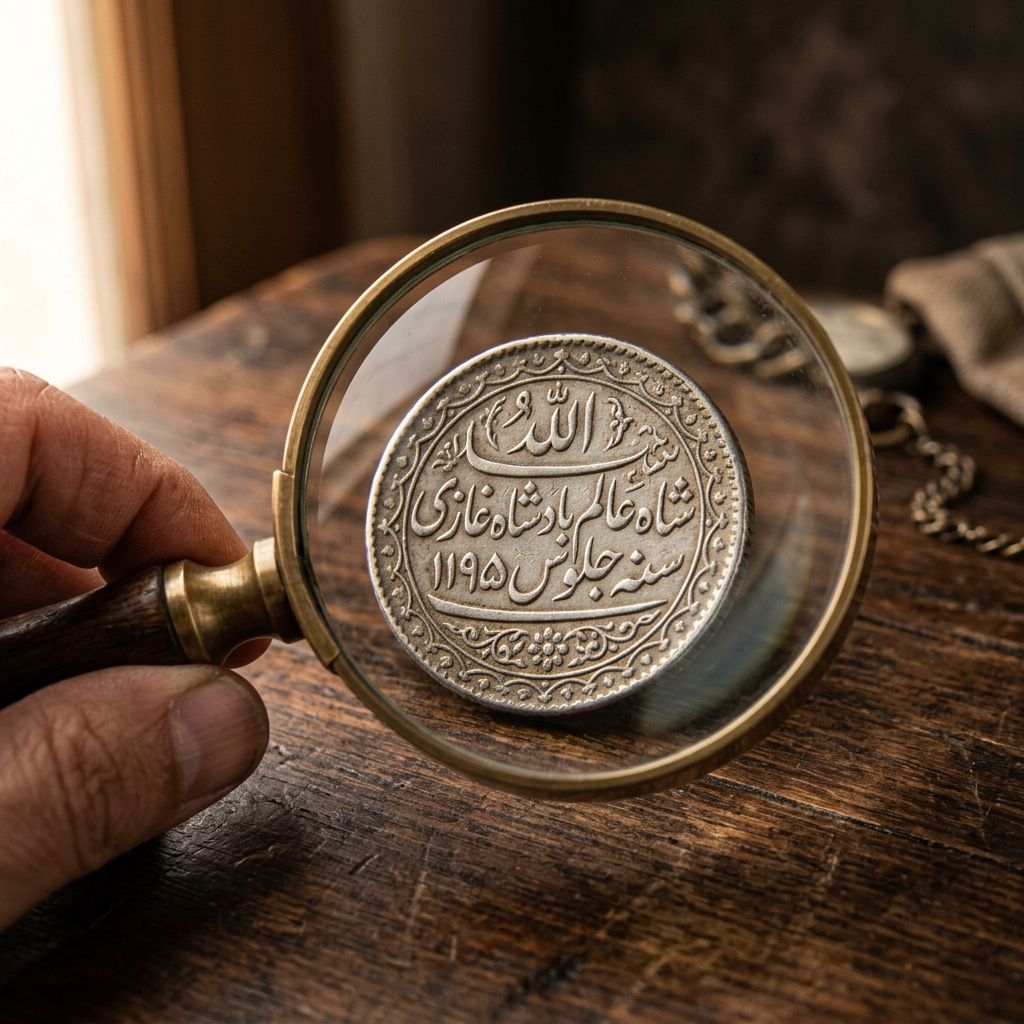
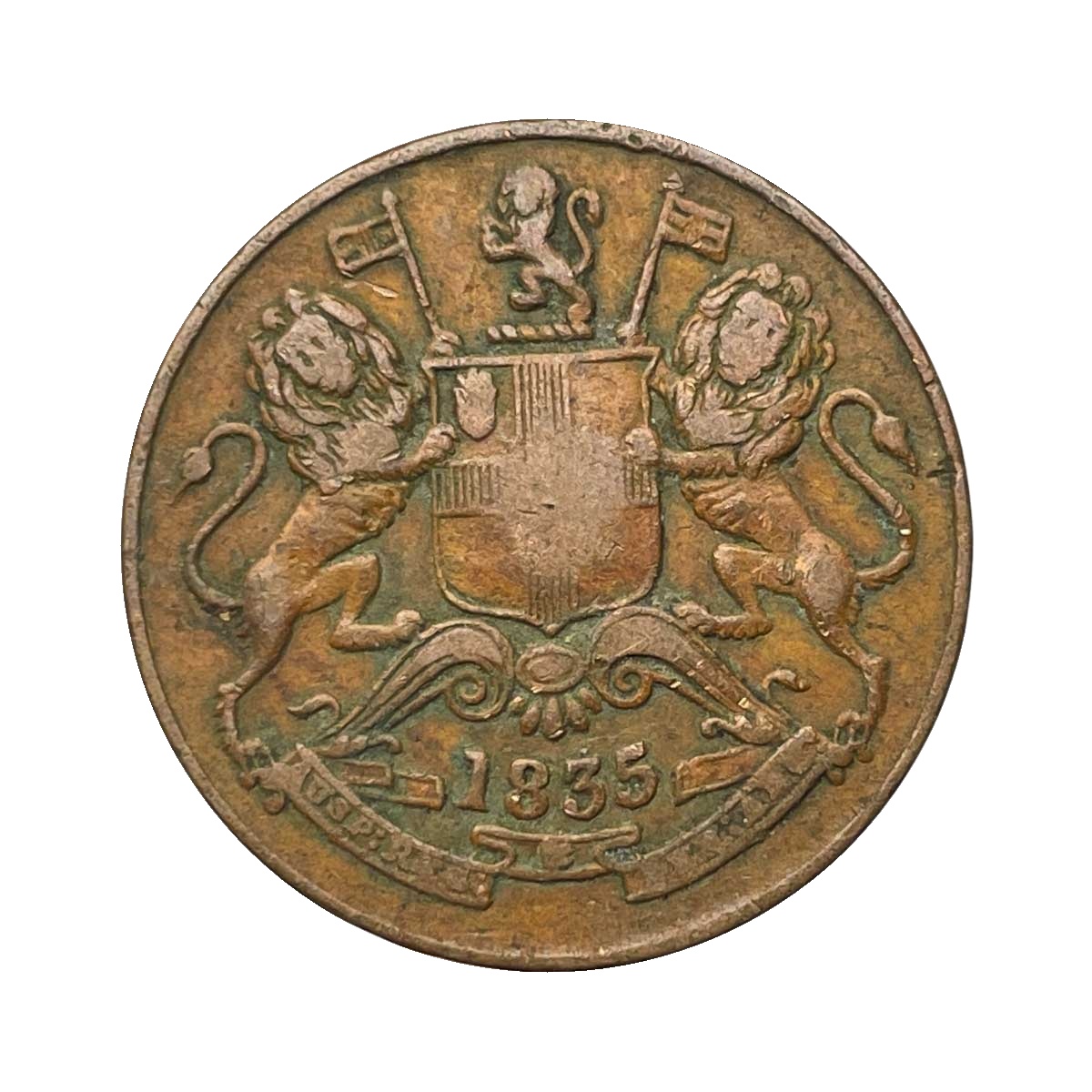
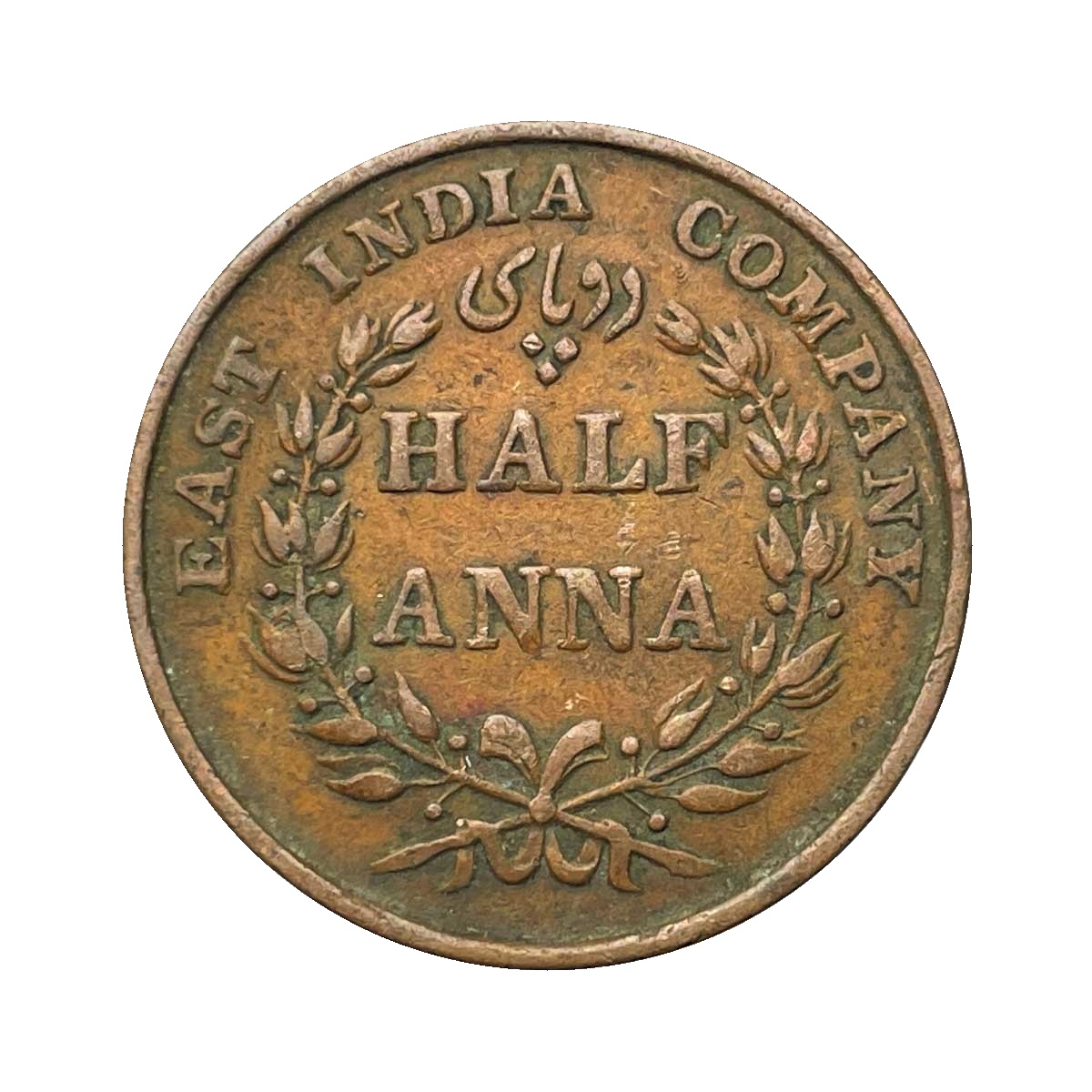
Every coin carries a physical set of clues that, when recorded systematically, reveal its identity. Begin by separating your analysis into the (the face or primary side, usually featuring a portrait, ruler name, or emblem) and the (the back side, which typically hosts secondary symbols, deities, or denominations). Next, examine the legends (inscriptions around the border) and transcribe the letters or symbols. Note the writing script: ancient styles like or indicate early historic origin, whereas elegant Persian scripts belong to Sultanate or Mughal eras. Furthermore, measure the coin's physical characteristics. Weighing a coin on a digital scale (to two decimal places) and measuring its diameter in millimeters with calipers provides vital data to match against catalog tolerances, as hand-struck ancient coins can have high variation.
In addition to text and dimensions, compile a list of central symbols. Look for motifs like hills (), animals (bulls, elephants, lions), religious icons (dharmachakra, trident, or portraits of deities), and geometric marks. These visual symbols act as shorthand markers for specific dynasties or mints, especially when the text legends have worn away due to circulation.
Republic India subsection
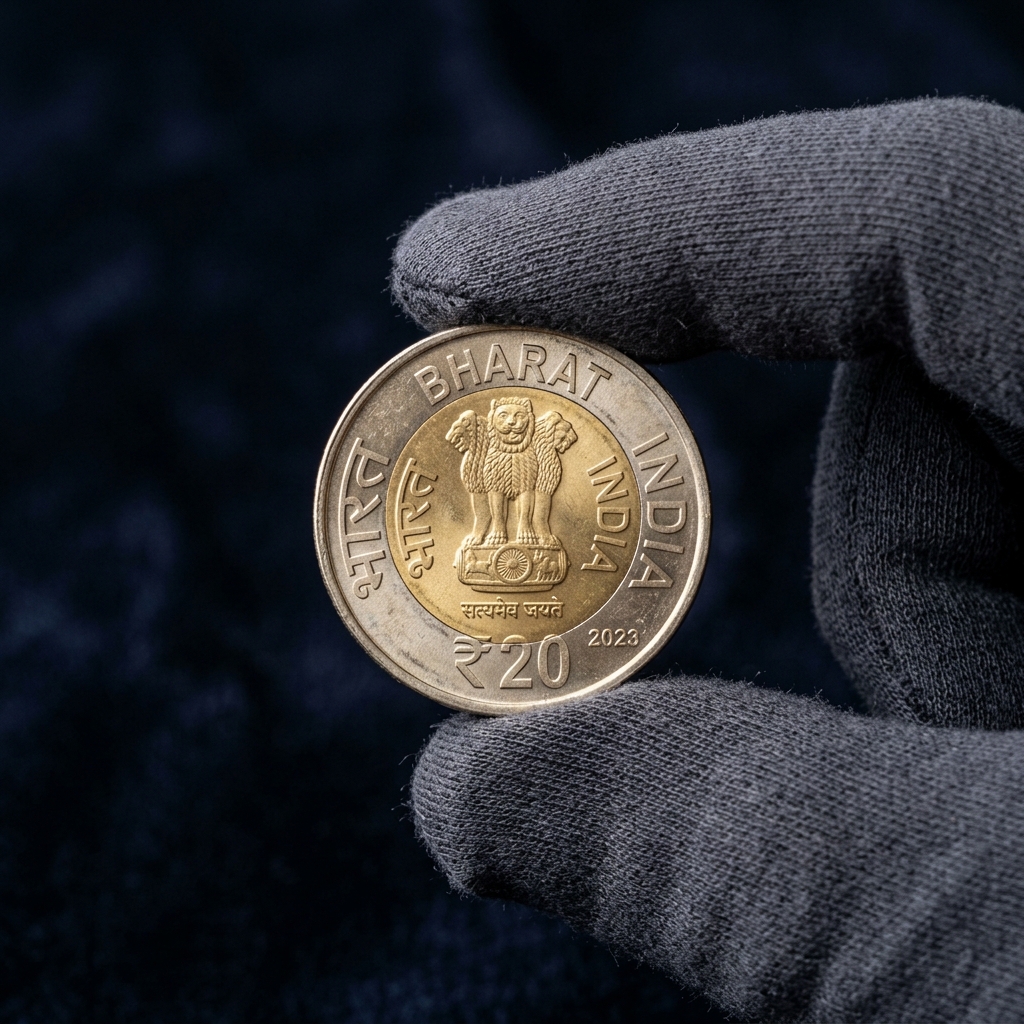
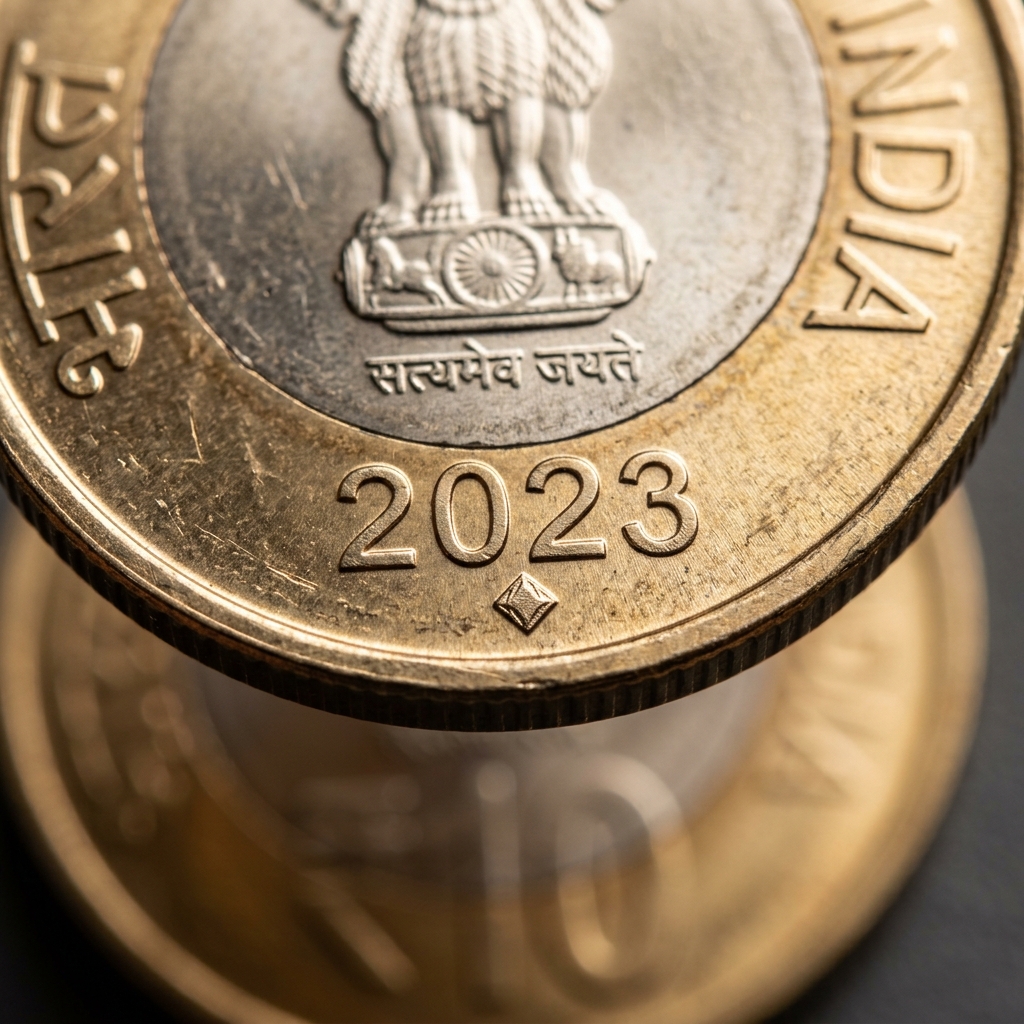
Modern coins issued after India became a sovereign republic in 1950 follow standardized identification criteria. On the , you will consistently find the Lion Capital of Ashoka with the motto 'Satyameva Jayate' (Truth Alone Triumphs) written in Devanagari script, flanked by 'Bharat' in Hindi and 'India' in English. On the , check the , the year of mintage, and the small symbol stamped below the date, which represents the minting (e.g., a diamond for Mumbai, a star for Hyderabad, a dot for Noida, or no mark for Kolkata).
Additionally, identify the coin's alloy—such as nickel-brass, cupro-nickel, ferritic stainless steel, or modern bimetallic compositions—and its physical (circular, hexagonal, or scalloped). Comparing these elements with official catalog mintage logs makes Modern Indian coin identification quick and straightforward, allowing you to easily spot commemorative issues or rare variations.
Replicas, alteration and damage
A crucial step in identification is verifying authenticity. Fake and replica coins have circulated for centuries, created both to deceive contemporary merchants and modern collectors. To identify a replica, inspect the of the coin for a casting seam—a thin, raised line running around the where two halves of a mold joined. Cast fakes also feature soft, mushy design details and tiny casting bubbles on the flat fields.
Similarly, watch out for alterations, such as added marks, re-engraved legends (tooling), or artificial patination designed to cover up cleanings. Post-mint damage (PMD) like scratches, dents, and corrosion should never be misclassified as rare errors; instead, they are condition defects that significantly lower a coin's historical and monetary value.
Explore the details
Was this numismatic guide helpful?
Your feedback helps our curatorial editorial team refine and expand our research.