Key Takeaways & Executive Summary
A complete A–Z reference to Indian numismatic terminology covering coin anatomy, minting, errors, condition, denominations, scripts and attribution.
Carefully inspect the date, mint mark, metal purity, and die alignment.
Always preserve natural surface integrity and avoid harsh chemical treatments.
Cross-reference catalog numbers with verified numismatic references before purchase.
Why terms matter
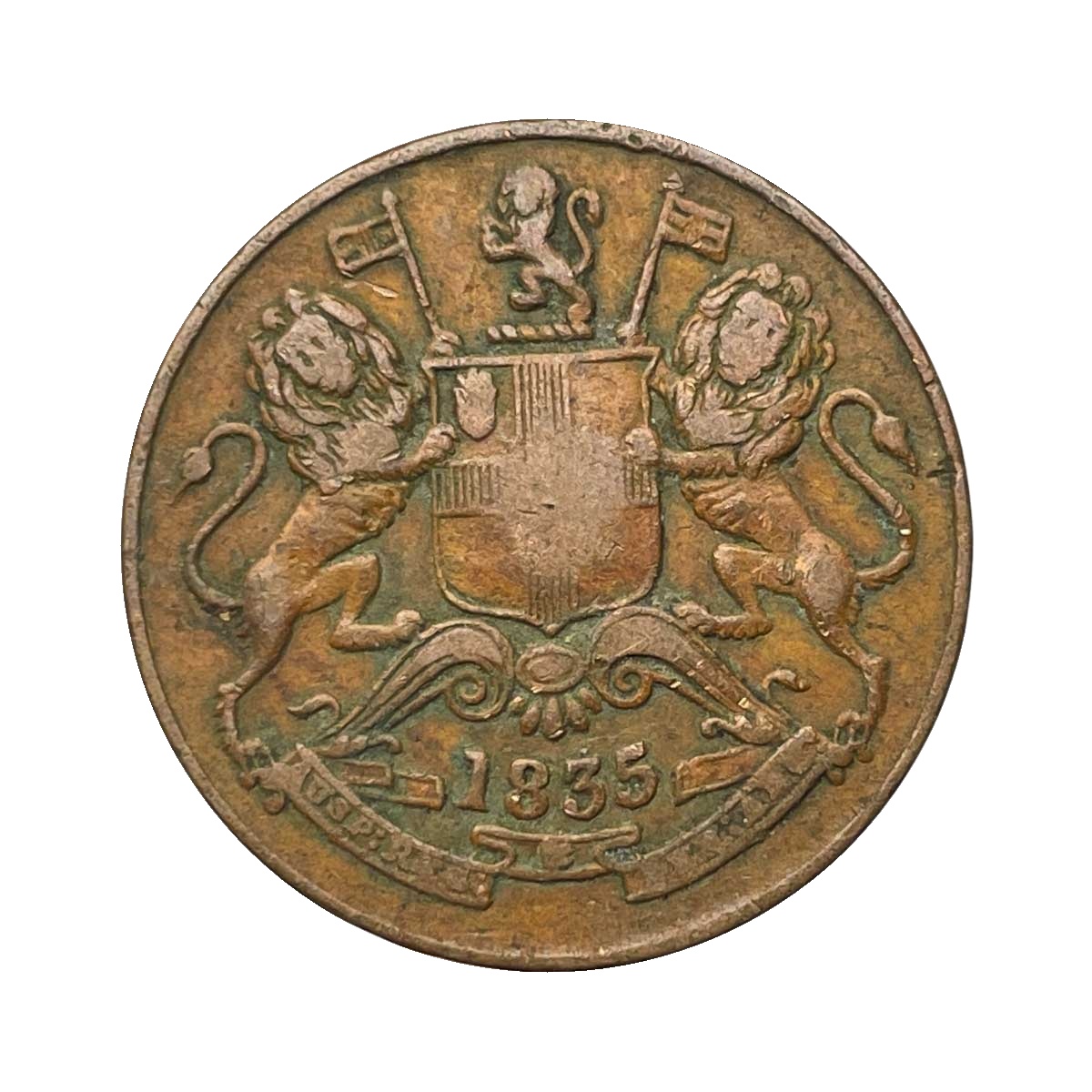
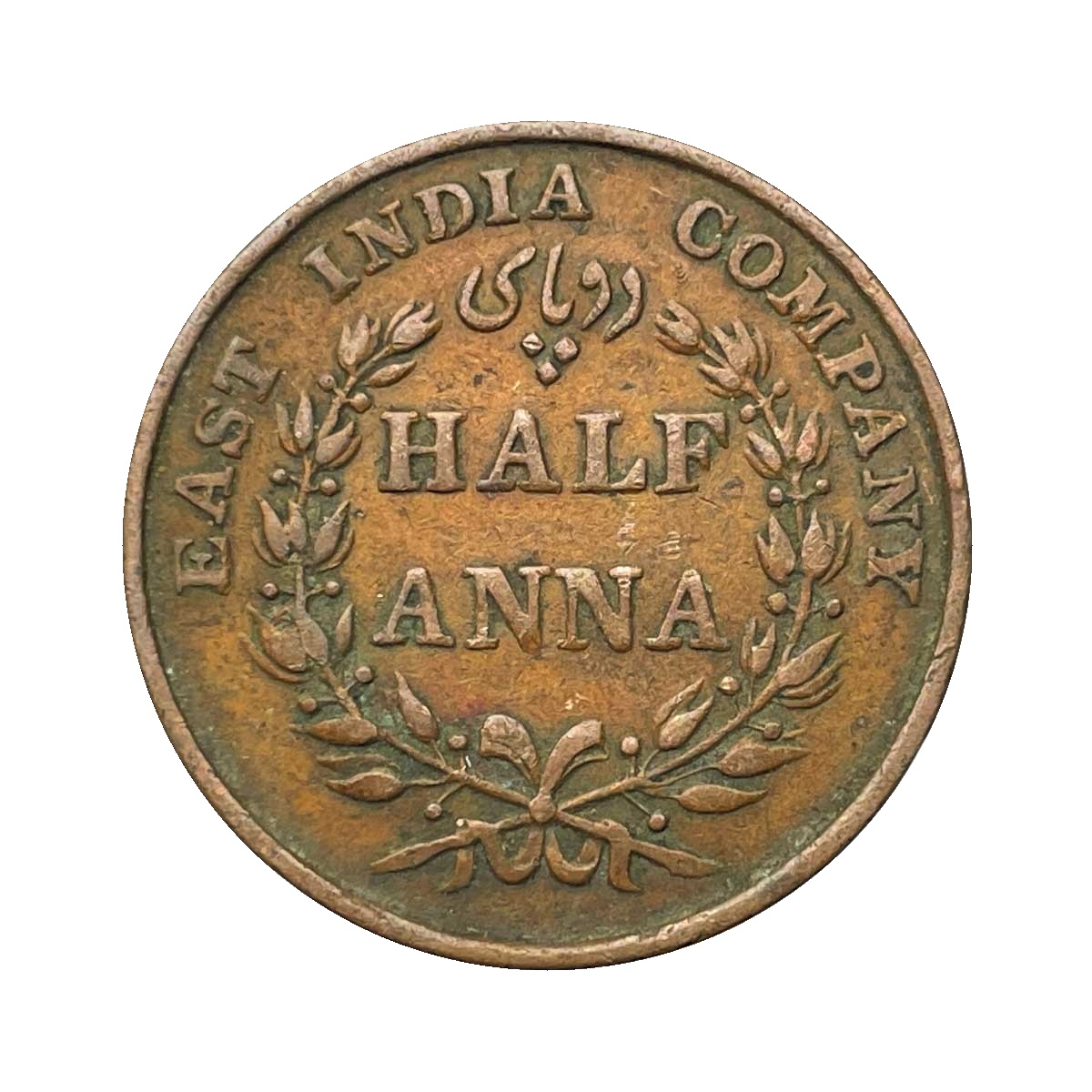
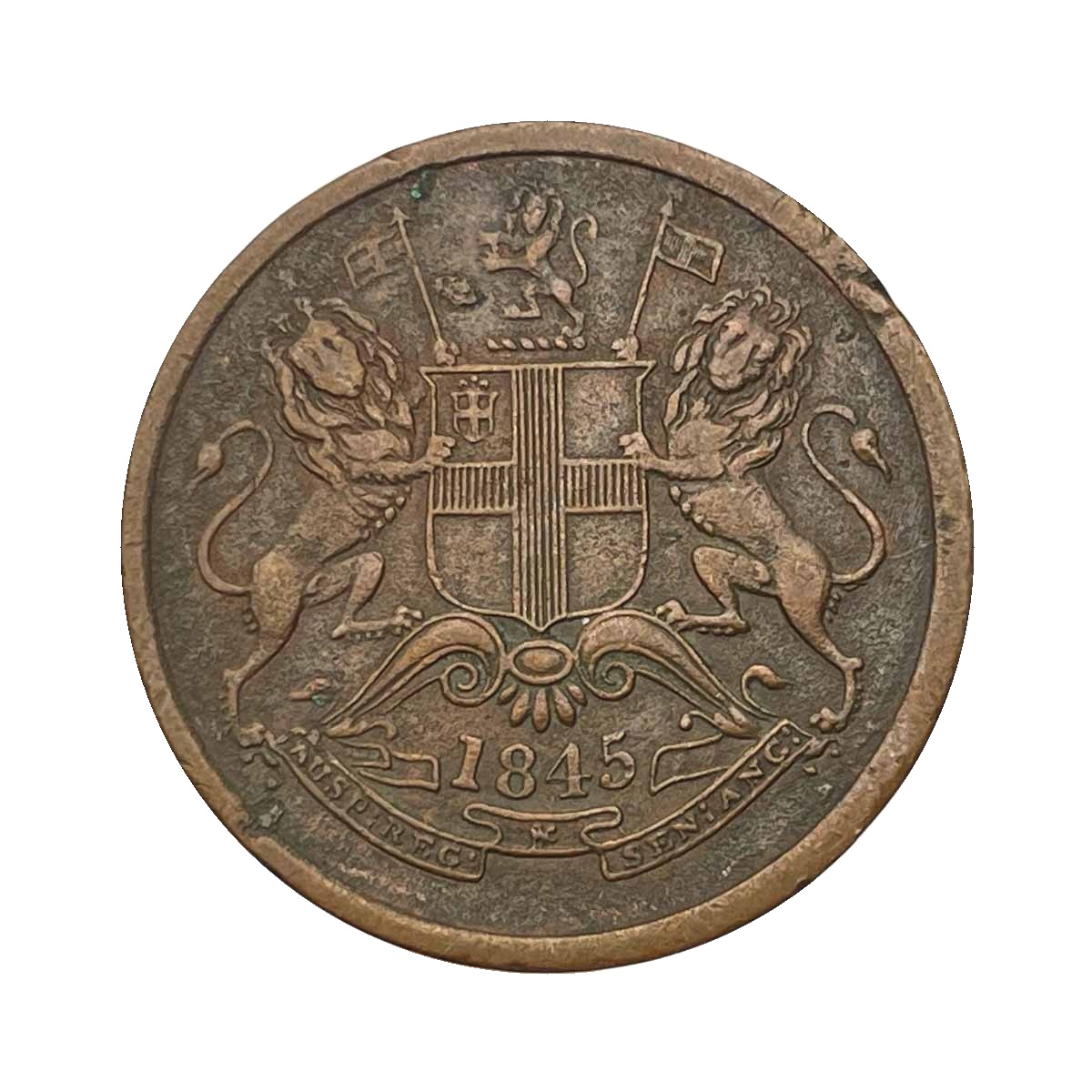
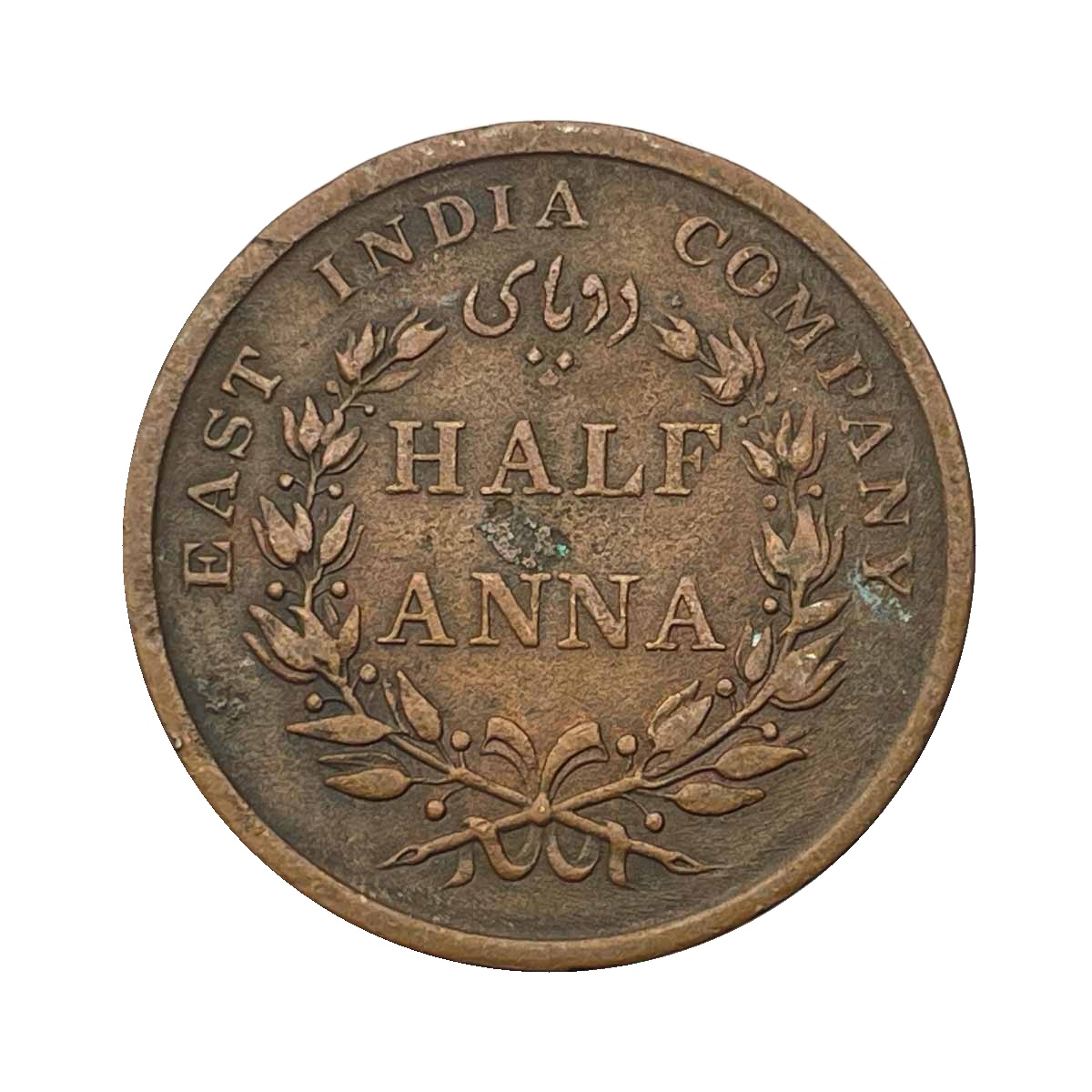
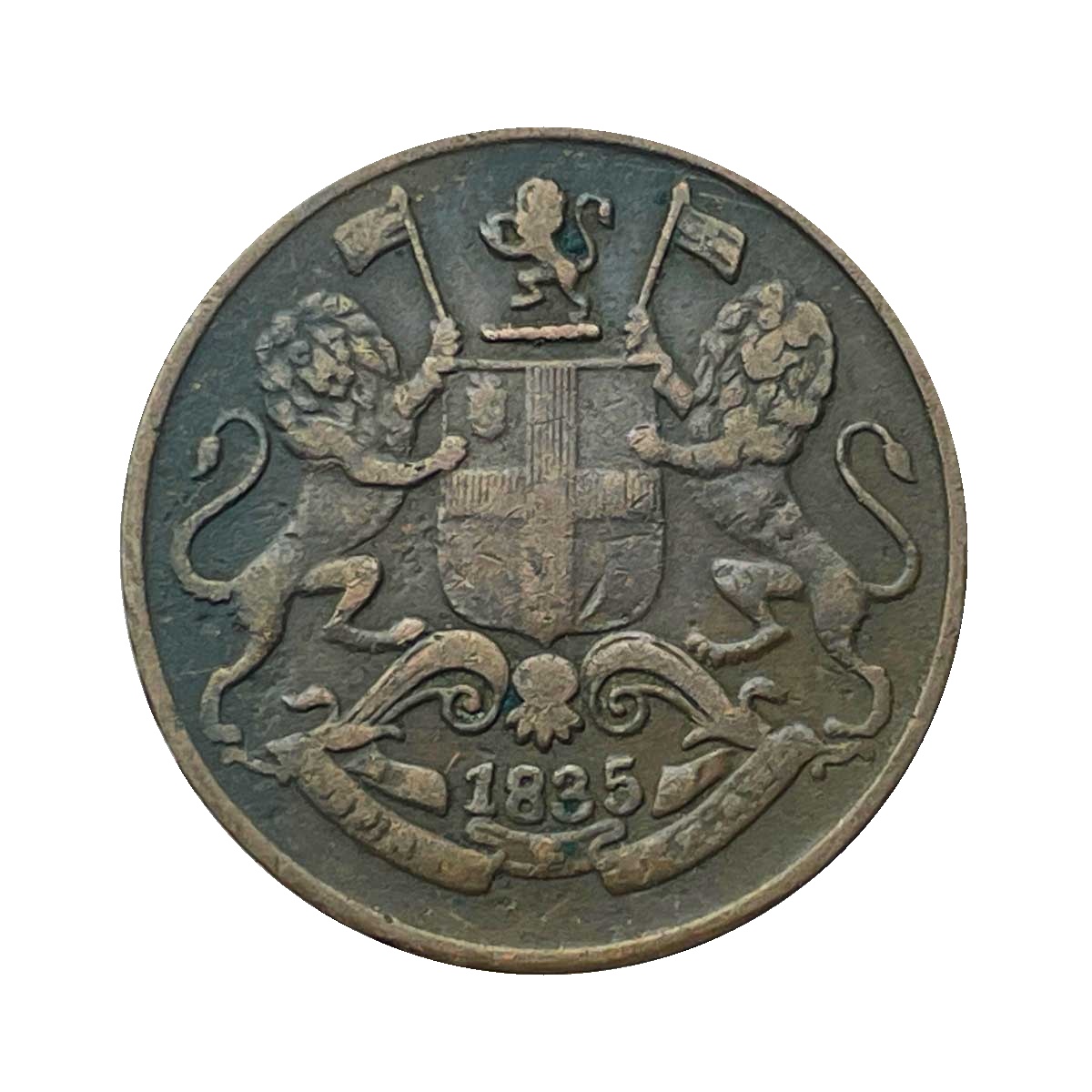
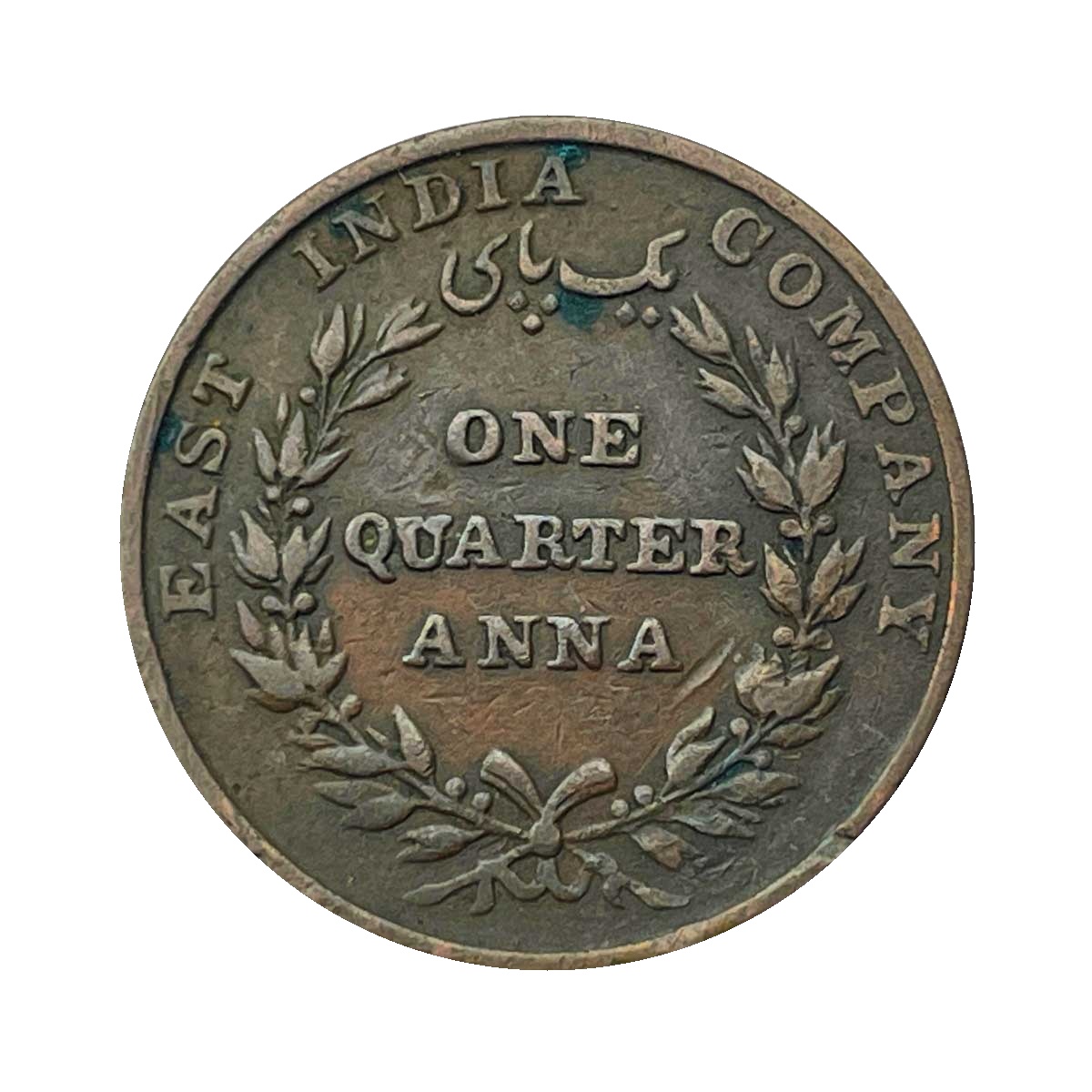
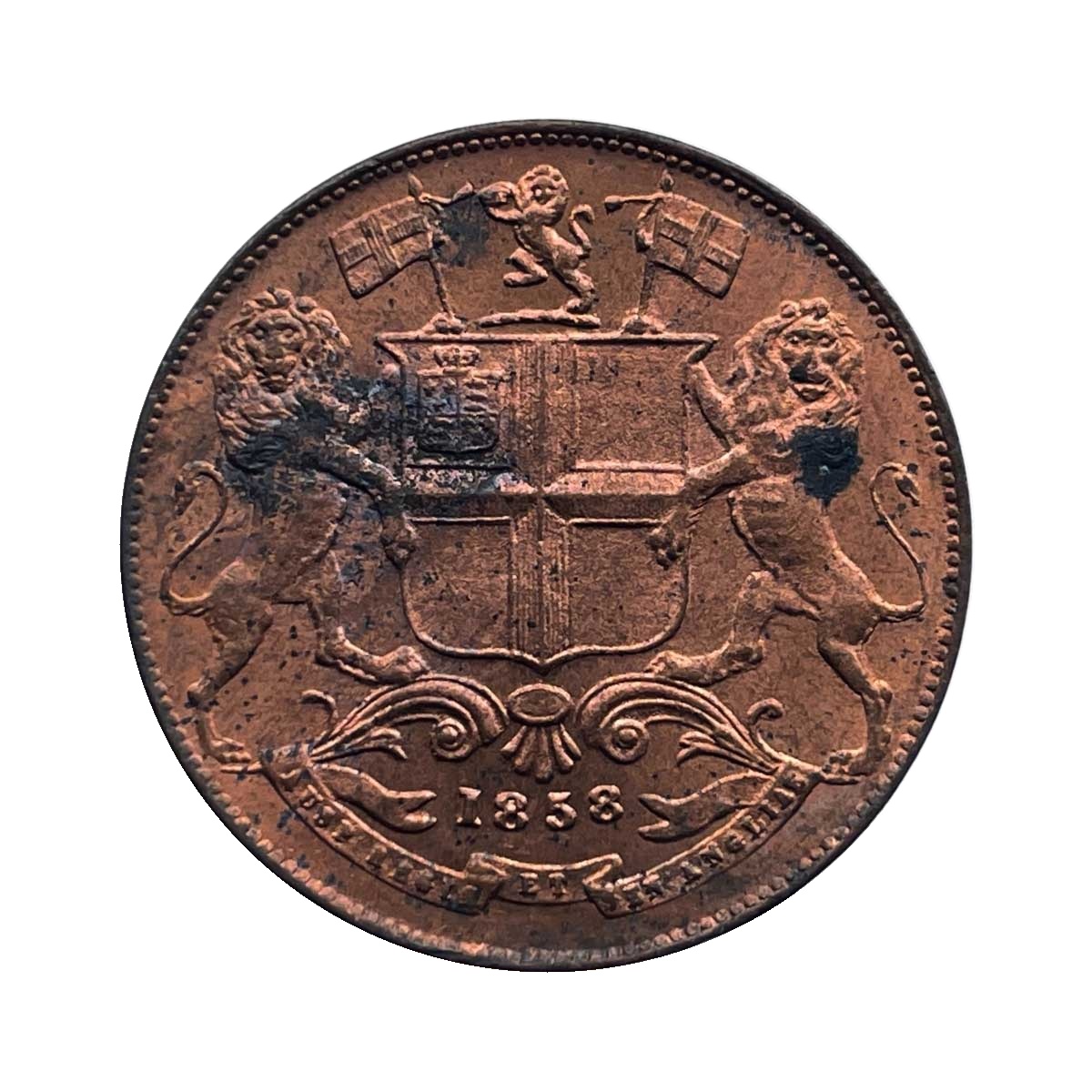
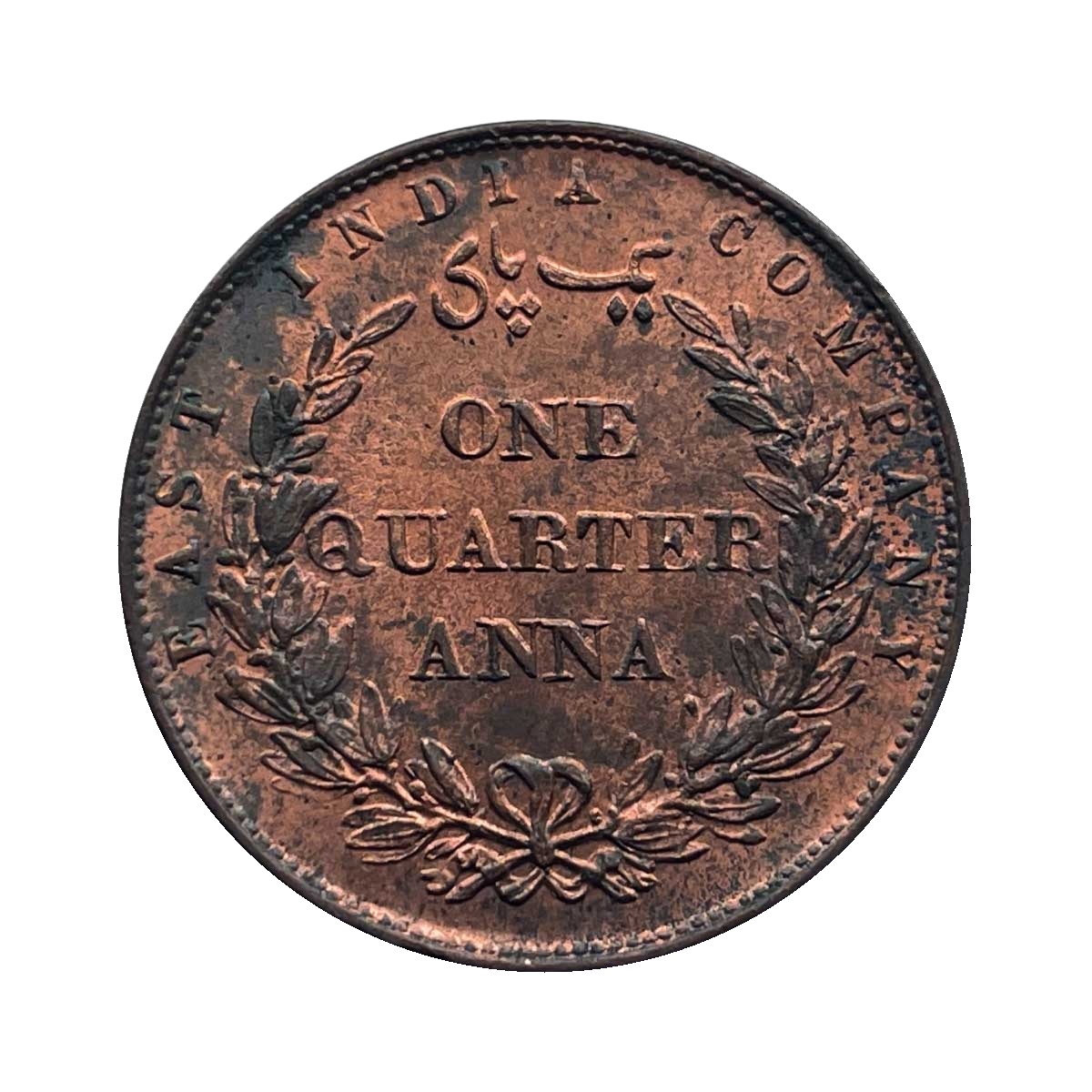
Developing a precise numismatic vocabulary is the first step toward becoming a confident coin collector and researcher. When describing historical coins, technical terms like '' (the side containing the ruler's bust or principal emblem) and '' (the back side) are used globally to ensure clarity.
By mastering standard terms for a coin's physical structure—such as the , the field (the flat background area), and the (the lower portion separated from the main design)—you can easily read standard catalog descriptions, compare listings on online markets, and describe your coins accurately to dealers and grading professionals.
Coin anatomy and production terms
Coin descriptions separate the , , , field, and . Production vocabulary—such as , , , , and alignment—explains how the object was made and why the same design can appear differently across specimens.
These terms are especially useful when comparing hammered ancient and medieval issues with machine-struck British India and Republic coins.
Condition, surfaces and authentication
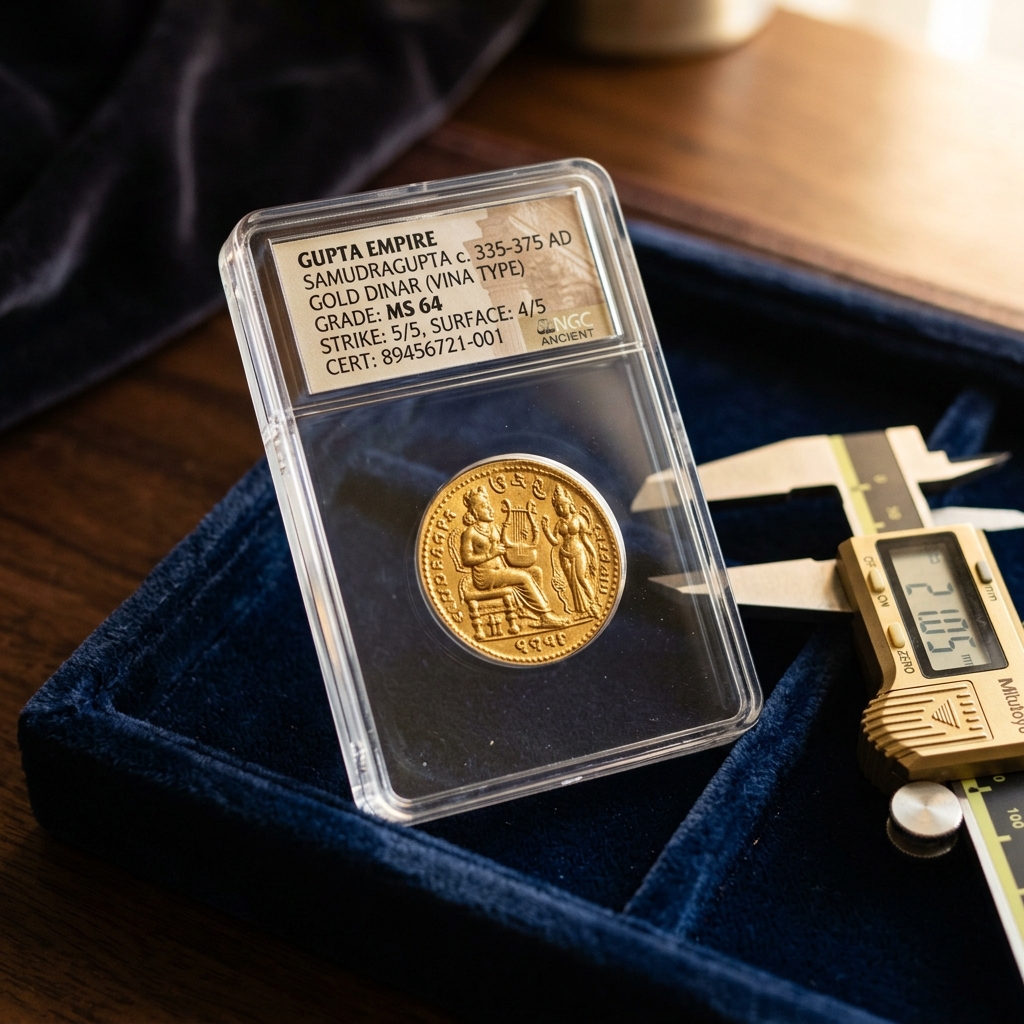
describes preservation, while , , , and damage describe different aspects of the surface. records ownership history and can strengthen confidence in an important specimen.
No single term proves authenticity. Weight, diameter, metal, , style, characteristics and reliable reference matches should be assessed together.
Errors, varieties and special issues
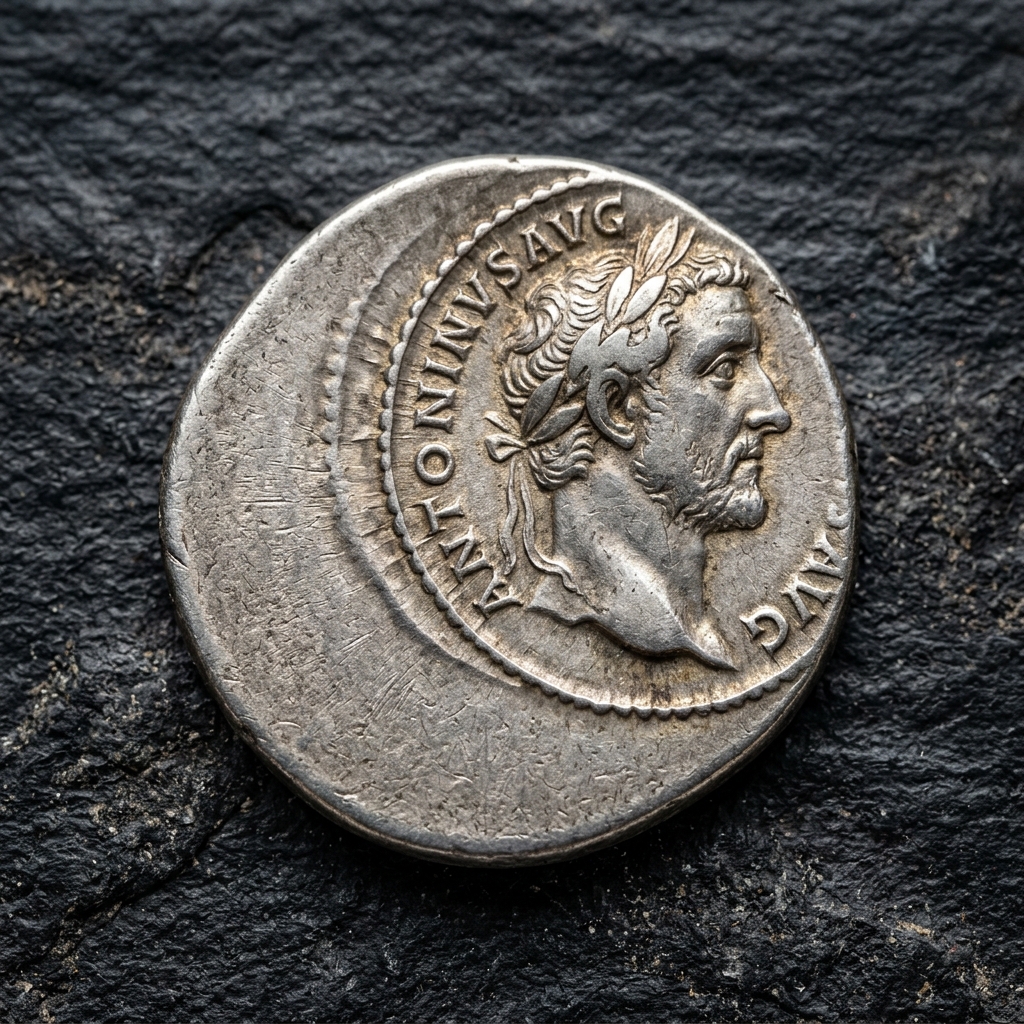
A error results from the production process, while a is a repeatable design or difference. Terms such as , , off-centre , , crack and lamination error describe different manufacturing outcomes.
Proofs, patterns, restrikes, tokens and medals are distinct categories and should not be labelled as ordinary circulation coins merely because they resemble standard coinage.
Was this numismatic guide helpful?
Your feedback helps our curatorial editorial team refine and expand our research.