ON THIS PAGE
- Overview & Key Concepts
- Introduction and Historical Background
- From Regional Symbols to Inscription-Led Coinage
- Early Medieval Period, c. 600–1000 CE
- High Medieval Period, c. 1000–1200 CE
- Gurjara-Pratiharas and Palas
- Rashtrakutas and Chalukyas
- Cholas, Hoysalas and Yadavas
- Delhi Sultanate, 1206–1526 CE
- Muhammad bin Tughlaq's Monetary Experiments
- Regional Sultanates and Vijayanagara
- Gold, Silver, Billon and Copper
- Major Denominations
- Symbols, Emblems and Calligraphy
- Major Mints and Political Geography
- How Medieval Coins Were Made
- Trade, Taxation and the Medieval Economy
- Transition to the Mughal Rupee
- Collecting and Identifying Medieval Coins
- Preservation and Documentation
- Legacy of Medieval Indian Coinage
Key Takeaways & Executive Summary
Explore the evolution of medieval Indian coinage from regional dynasties to the Delhi Sultanate, including metals, denominations, mints, symbols, trade and collecting.
Carefully inspect the date, mint mark, metal purity, and die alignment.
Always preserve natural surface integrity and avoid harsh chemical treatments.
Cross-reference catalog numbers with verified numismatic references before purchase.
Introduction and Historical Background
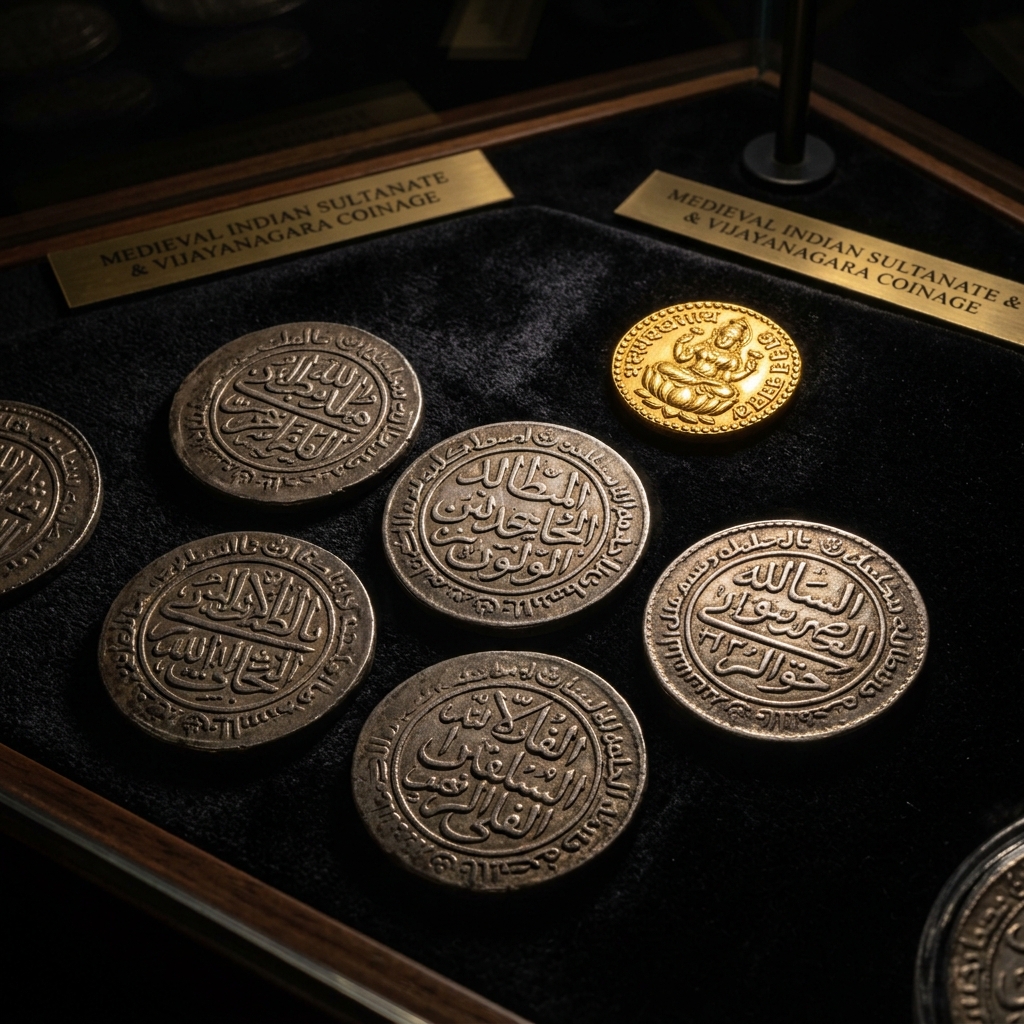
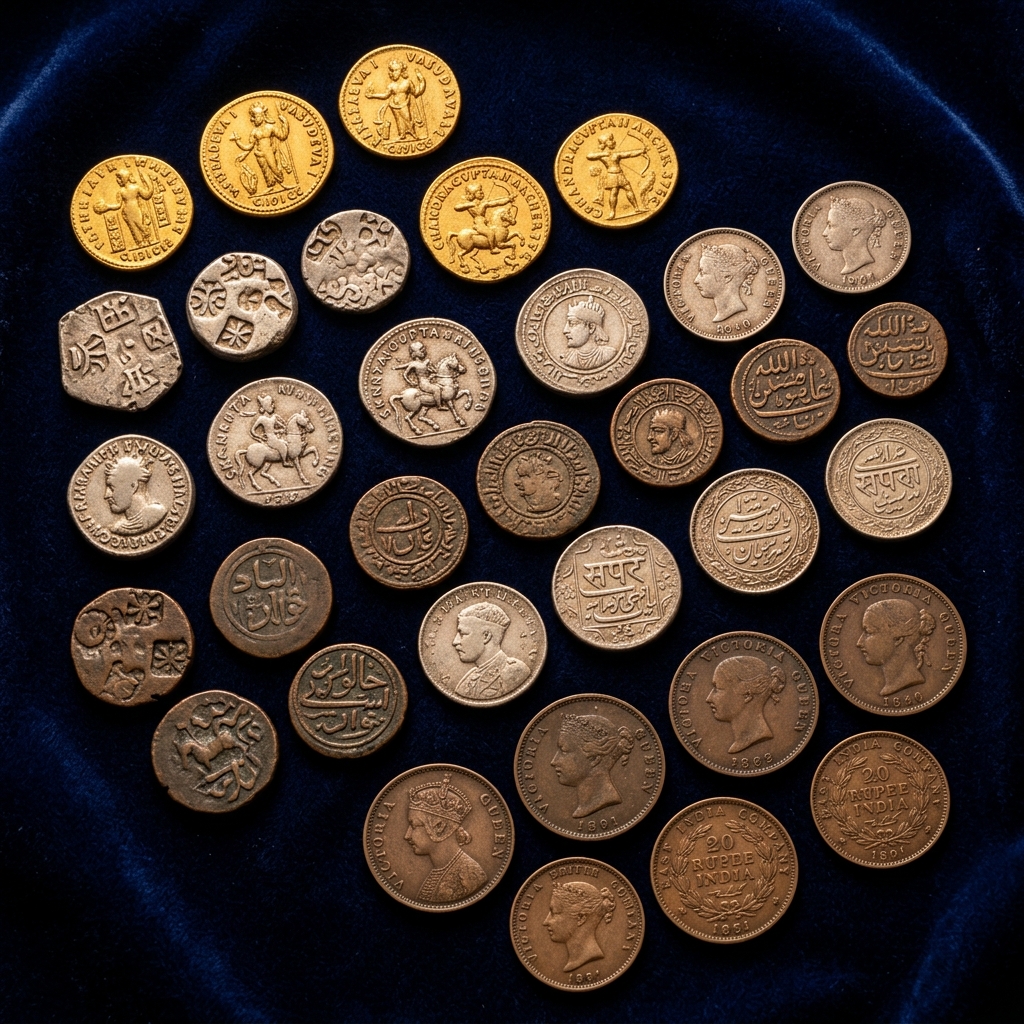
Medieval Indian coinage developed during roughly nine centuries of political, cultural, religious and economic change, from about 600 to 1526 CE. After the Gupta Empire declined, the subcontinent fragmented into regional kingdoms with independent administrations, armies, trade networks and monetary traditions. Coinage became one of the clearest declarations of sovereignty: rulers placed royal names, dynastic emblems, religious symbols and distinctive designs on money used throughout their territories.
Unlike the standardized currency of the later Mughal Empire, medieval coins are remarkably diverse. Hundreds of authorities adapted older Indian traditions while borrowing from neighbouring regions. The period gradually connected the classical coinage of ancient India with the inscription-led Islamic systems introduced by the Delhi Sultanate and later refined by Sher Shah Suri and the Mughals. These coins therefore document governance, trade, faith, language and artistic expression as well as economic exchange.
From Regional Symbols to Inscription-Led Coinage
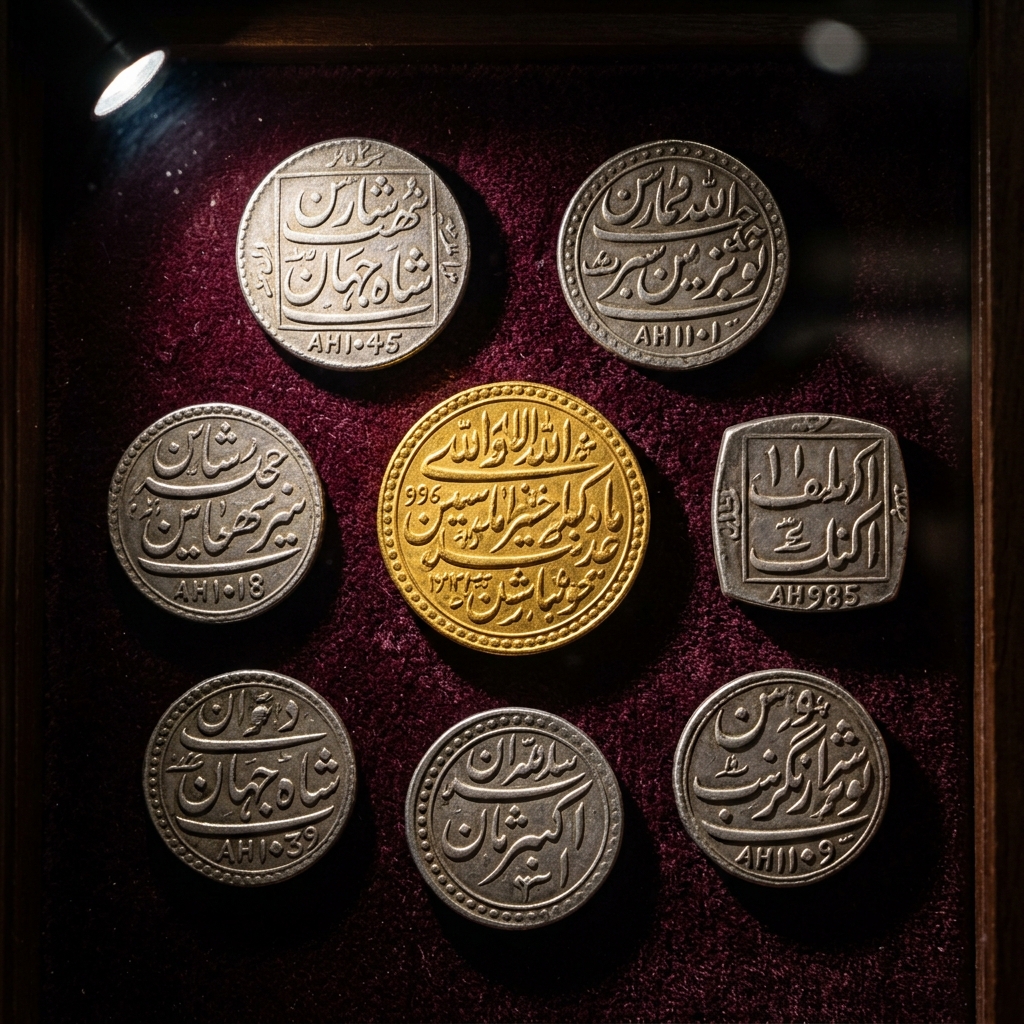
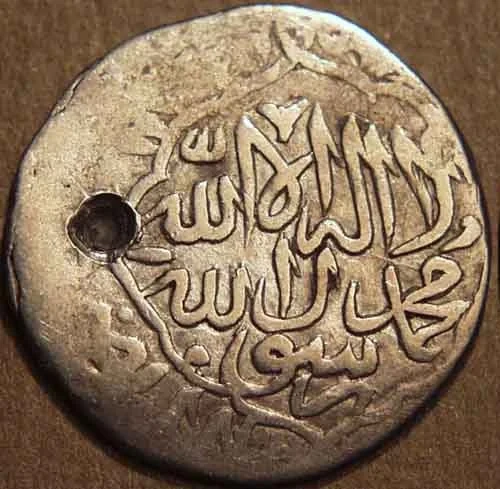
Early medieval kingdoms frequently used Hindu deities, sacred symbols, royal emblems and local scripts. From the late twelfth century, Islamic dynasties introduced a different visual language that generally avoided human and divine figures. Calligraphic designs recorded the ruler's name and titles, religious declarations such as the Kalima and, at times, recognition of the Abbasid caliph to reinforce political legitimacy.
Arabic and Persian legends sometimes appeared beside regional scripts such as early Devanagari, producing bilingual or culturally blended issues. Under the Delhi Sultanate, names and Hijri dates became increasingly useful identifiers. This transition did not erase regional pictorial traditions: southern and other independent kingdoms continued issuing coins with dynastic and religious imagery while Sultanate mints developed sophisticated text-based compositions.
Early Medieval Period, c. 600–1000 CE
Following the Gupta decline, the Gurjara-Pratiharas, Palas, Rashtrakutas, Chalukyas, Pallavas, Cholas, Kalachuris, Paramaras and many smaller powers developed strongly regional coinages. Designs could show deities, sacred emblems, temple motifs or royal insignia, accompanied by Sanskrit, Kannada, Nagari, Tamil or other local legends.
Coins were often smaller and more simply made than Gupta issues. Gold became less common in many northern regions, while silver, —a low-silver alloy—and copper grew increasingly important for commerce. In parts of southern India, however, durable gold traditions continued and later supported extensive temple, court and maritime economies.
High Medieval Period, c. 1000–1200 CE
Powerful regional dynasties expanded their territories and administrative systems during the high medieval period. Trade across the Indian Ocean linked Indian ports with Arabia, East Africa, Sri Lanka and Southeast Asia, increasing the demand for dependable money. South Indian kingdoms, especially the Cholas, issued gold coins that travelled through maritime commercial networks, while northern and western kingdoms relied more heavily on silver, and copper.
The widely circulated bull-and-horseman type became particularly important in northern India. Its familiar imagery and weight traditions influenced some of the earliest issues associated with incoming Islamic rulers, illustrating how new political powers adapted established local currency to gain public acceptance.
Gurjara-Pratiharas and Palas
The Gurjara-Pratiharas ruled large parts of northern India between the eighth and eleventh centuries. Their surviving silver and coins may carry stylized royal portraits, fire altars, temple motifs, Hindu religious symbols and Sanskrit legends. Attribution often depends on recognizing highly abstracted designs and comparing weight and fabric with documented regional series.
The Pala dynasty governed Bengal and Bihar from the eighth to twelfth centuries. Its coinage is comparatively scarce but historically important. Copper and silver issues associated with the region display Sanskrit inscriptions, local artistic styles and, in some contexts, Buddhist influence. These coins help illuminate an era for which numismatic evidence can be limited or debated.
Rashtrakutas and Chalukyas
The Rashtrakutas dominated much of the Deccan between the eighth and tenth centuries. Their monetary traditions include gold and copper pieces with Kannada legends, Hindu symbols and royal insignia. The coins reflect both regional identity and the Deccan's position within long-distance commercial routes.
Western and Eastern Chalukya issues include numerous gold and copper types. Temple symbols, royal emblems, deities and Kannada or Nagari inscriptions appear across the series. Because designs, weight standards and attribution conventions vary, collectors should identify the precise branch and locality rather than relying on a broad Chalukya label alone.
Cholas, Hoysalas and Yadavas
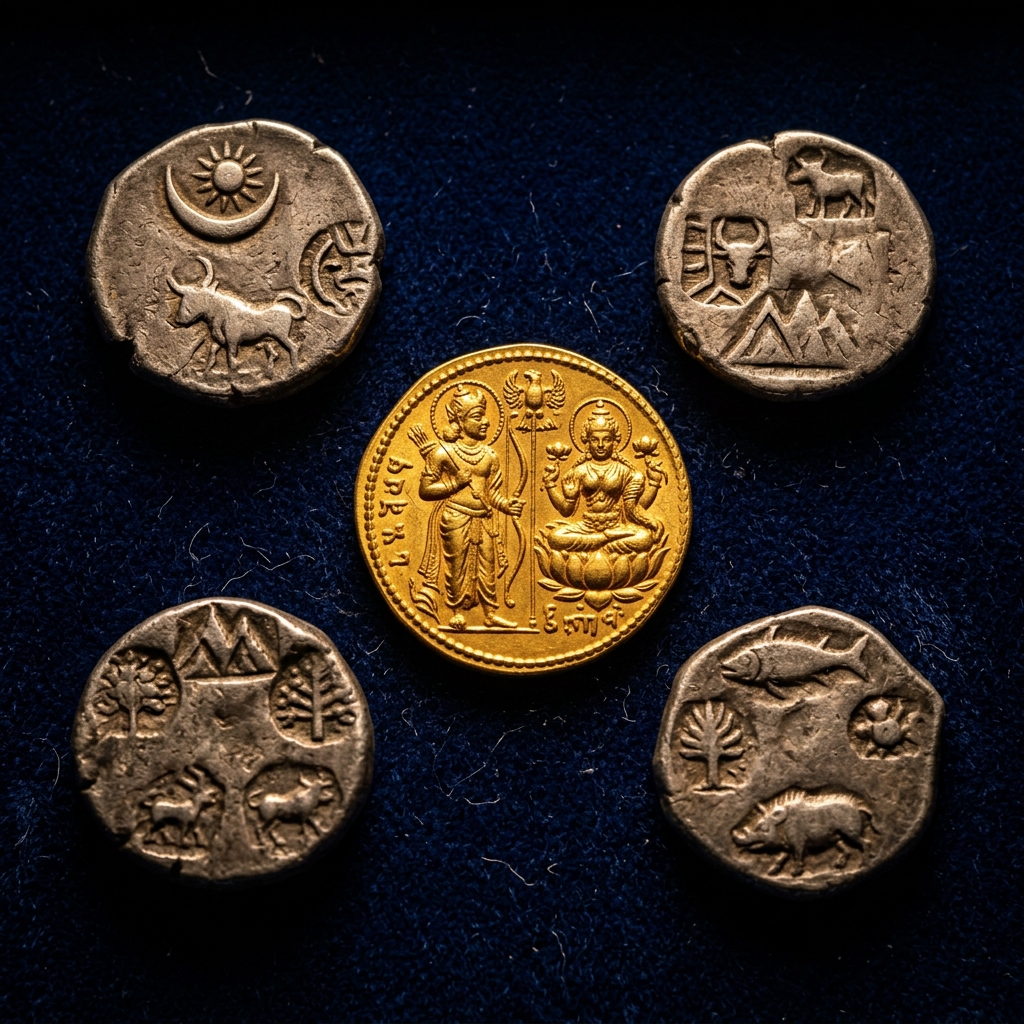
The Chola Empire created one of southern India's most influential monetary systems. Its gold coins circulated through maritime trade and commonly display the tiger emblem, sometimes joined by the Pandya fish and Chera bow, as well as standing rulers, seated figures or Tamil and Grantha-derived legends. Their symbolism projected conquest, dynastic identity and participation in a prosperous oceanic economy.
The Hoysalas of Karnataka issued attractive gold and copper coins with lions, mythological creatures, temple symbolism and Kannada inscriptions. The Seuna Yadavas of Devagiri produced gold and copper issues bearing conches, lotuses, royal emblems and Devanagari legends. Together these traditions demonstrate the visual and linguistic range of regional medieval money.
Delhi Sultanate, 1206–1526 CE
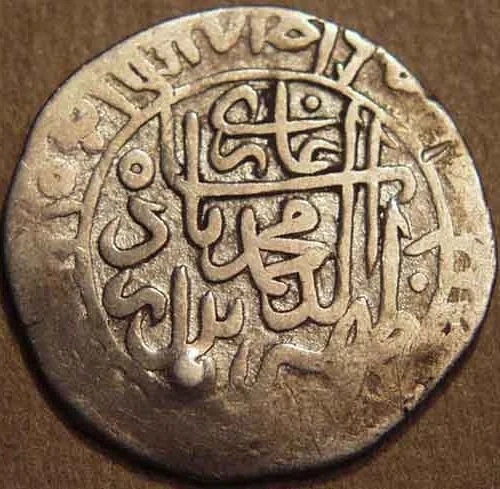
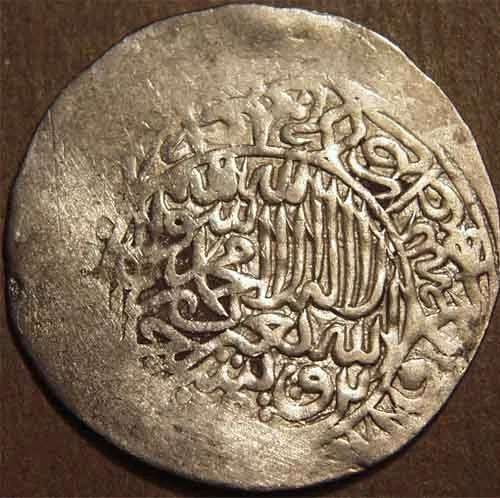
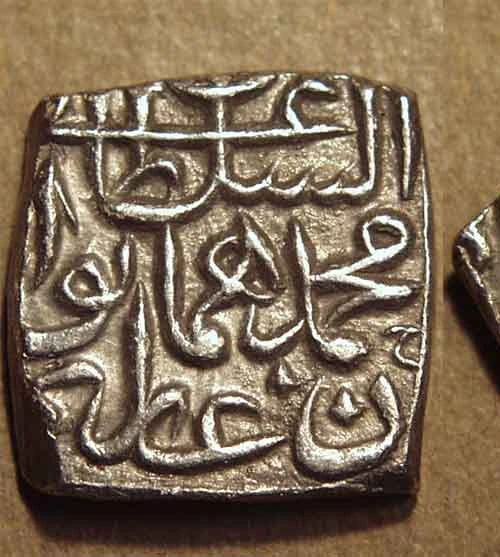
The Delhi Sultanate marked a major turning point in Indian monetary history. The Mamluk, Khalji, Tughlaq, Sayyid and Lodi dynasties combined Islamic monetary practices from Central Asia and Persia with Indian commercial conditions. State-controlled mints, regulated denominations, standardized weights and Arabic or Persian inscriptions supported a currency system that operated across much of northern India.
Iltutmish established the silver , weighing about 10.8 grams, and the copper jital as principal units. Later rulers, including Alauddin Khalji, struck coinage on a large scale. The –jital framework influenced the monetary reforms of Sher Shah Suri and ultimately the Mughal system.
Muhammad bin Tughlaq's Monetary Experiments
Muhammad bin Tughlaq (1325–1351), sometimes called the Prince of Moneyers, expanded administration and experimented boldly with currency. Around 1329 he attempted to make copper and brass tokens circulate at values comparable with precious-metal coins. The concept required strict control over production and redemption, but unauthorized private tokens proliferated.
Counterfeiting undermined confidence and the state ultimately withdrew the experiment, exchanging tokens at considerable cost to the treasury. The episode remains one of medieval India's most discussed monetary policies and shows that a coin's accepted value depends upon public trust, enforceable standards and controlled issuance as well as the authority named on it.
Regional Sultanates and Vijayanagara
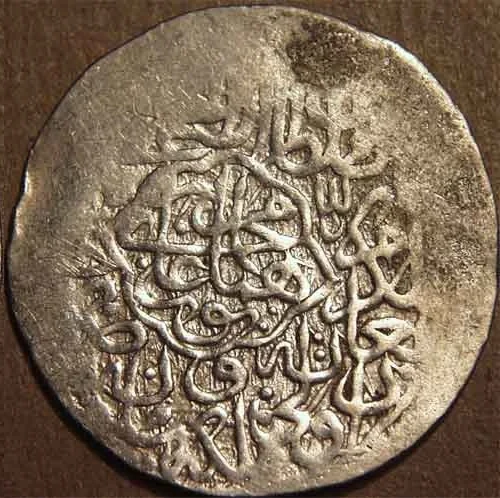
As central Sultanate authority weakened, Bengal, Gujarat, Malwa, Jaunpur and other regional sultanates developed their own silver, and copper series. These issues adapted local weight standards and calligraphic styles; Bengal coins are especially admired for decorative borders, unusual arrangements and occasional distinctive shapes.
Southern Hindu kingdoms maintained rich pictorial traditions. The Vijayanagara Empire issued gold pagodas, also called varahas or gadyanas, depicting deities such as Venkateshvara, Balakrishna and Shiva-Parvati, with legends in Kannada, Nandinagari or Devanagari. Such coins joined religious patronage, dynastic legitimacy and the commercial strength of south Indian markets.
Gold, Silver, Billon and Copper
Medieval rulers selected metals according to local resources, monetary policy and intended use. Gold served royal ceremonies, temple donations, diplomatic gifts and high-value trade. Northern gold output generally declined after the Gupta period, while southern kingdoms continued important gold traditions.
Silver increasingly became a principal commercial metal, most notably in the trusted tankas of the Delhi Sultanate. , containing both silver and copper, allowed regional states to maintain coin supply when pure silver was scarce. Copper formed the foundation of everyday exchange in markets, agricultural trade, wage payments and small purchases.
Major Denominations
Medieval denominations varied by region and period. Gold dinars appeared under some early medieval rulers; gadyanas and pagodas were important in southern kingdoms; silver drammas circulated in several Rajput and western Indian contexts; and numerous authorities issued locally regulated pieces. Under the Delhi Sultanate, the silver and copper jital became the best-known paired denominations.
Names alone do not guarantee a fixed weight across every dynasty. Attribution should consider the issuing authority, region, metal, weight standard, legends and design together. Hand-struck coins may also be irregular, clipped or worn, making careful measurement essential.
Symbols, Emblems and Calligraphy
Medieval Indian coins present an exceptional range of visual traditions. Hindu issues may show Shiva, Lakshmi, Garuda, Nandi, a trident, lotus, conch or temple architecture. Dynastic emblems include the Chola tiger, bows, fish, lions, bulls, elephants, suns and crescents. These motifs communicated divine sanction, regional culture and dynastic identity.
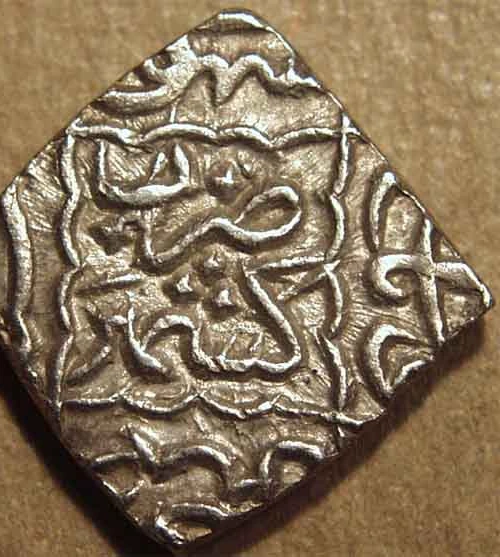
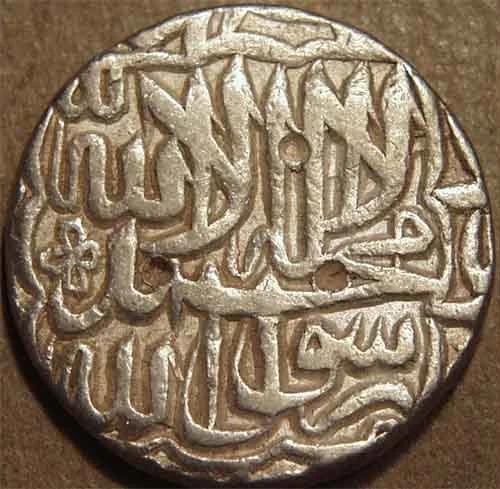
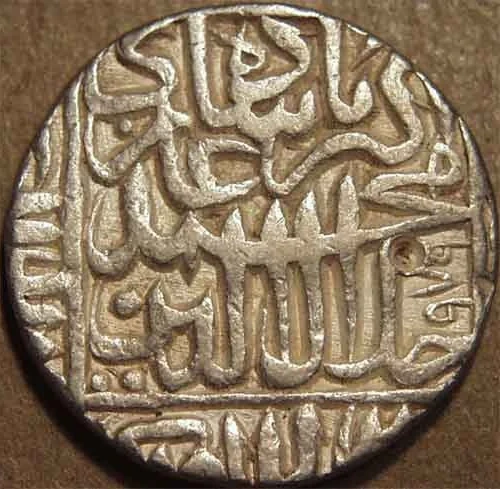
Sultanate coinage made Arabic and Persian calligraphy its central artistic feature. Rulers, titles, religious invocations, dates and mints were arranged with precision and balance, sometimes within geometric borders or floral scrolls. The result was not a lack of imagery but a different form of visual design built from script and ornament.
Major Mints and Political Geography
Coins were produced at imperial and regional centres including Delhi, Ajmer, Kannauj, Devagiri, Madurai, Kanchipuram, Thanjavur, Lakhnauti, Daulatabad, Warangal, Gwalior, Lahore, Multan and numerous Bengal mints. The active network changed as rulers conquered territory, shifted capitals or reorganized administration.
names are especially common on Sultanate issues. When legible, they help researchers trace sovereignty, military expansion and commercial routes. A scarce can make an otherwise familiar ruler and much more desirable, but partial inscriptions should be compared with reliable references before an attribution is accepted.
How Medieval Coins Were Made
Most medieval Indian coins were struck by hand. Gold, silver, copper or was first refined to a local or imperial standard. Molten metal was cast or prepared and cut into blanks or planchets; the blanks could then be heated to soften them. Skilled artisans engraved designs and inscriptions into hardened dies.
A blank was placed between the dies and struck with a hammer, transferring the and designs. Coins were checked for weight, purity and legibility before circulation. Natural differences in centring, alignment, and strength are common, although these characteristics must still be assessed alongside other evidence when authenticating a specimen.
Trade, Taxation and the Medieval Economy
Reliable coinage supported agricultural taxation, regional commerce, urban markets, temple economies, military salaries and long-distance maritime trade. Ports on the Arabian Sea and Bay of Bengal linked Indian producers and merchants with Arabia, Persia, East Africa, Sri Lanka and Southeast Asia. Gold supported elite and international transactions, while silver, and copper connected wider commercial systems with everyday exchange.
The abundance and distribution of coins can reveal economic activity, trade routes and changes in political control. Their use also shows that monetary development was not confined to royal courts: it affected cultivators, artisans, soldiers, merchants, temples and urban consumers.
Transition to the Mughal Rupee
The diverse regional and Sultanate systems of medieval India prepared the way for later imperial standardization. Sher Shah Suri (1540–1545) introduced a high-purity silver rupiya weighing about 11.5 grams and strengthened the use of standardized copper currency. Although his reign falls just after the Delhi Sultanate chronology, his reform drew upon preceding monetary experience.
The Mughal emperors, especially Akbar, adopted and expanded these principles through a broad network of controlled mints. Medieval coinage therefore forms the bridge between ancient regional traditions and the dependable gold, silver and copper system of the Mughal era.
Collecting and Identifying Medieval Coins
Collectors value medieval Indian coins for their range of cultures, dynasties, metals, languages and designs. Market value depends on dynasty and ruler, , metal, , , historical importance, condition, quality, artistic merit and the completeness of inscriptions. Coins from short-lived rulers, lesser-known states or scarce mints may be particularly desirable.
Identification should begin with clear photographs of both sides, accurate weight and dimensions, metal, fabric, visible script and recurring symbols. Compare the specimen with recognized catalogues and specialist references. For rare or expensive coins, and expert authentication are important because unfamiliarity or an unusual appearance does not by itself establish or authenticity.
Preservation and Documentation
Handle medieval coins by their edges and keep them in inert, archival-quality holders. Store them in a cool, dry environment with stable humidity and avoid reactive plastics, unsuitable paper and unnecessary handling. Never polish or chemically clean a coin, because can permanently alter its surface and reduce historical and collector value.
Label each specimen with its dynasty, ruler, if known, , metal, weight, measurements and . Retain purchase records and photographs of both sides. Good documentation improves future attribution, research, authentication and responsible transfer of ownership.
Legacy of Medieval Indian Coinage
Medieval Indian coinage is one of the most dynamic chapters of Indian numismatics. Across nearly nine centuries, money evolved with changing kingdoms, trade networks, religions, scripts and artistic traditions. Temple-inspired regional issues, dynastic emblem coins, bull-and-horseman types, southern gold pagodas and the calligraphic tankas of the Delhi Sultanate together reveal extraordinary adaptability.
These coins are more than economic objects. They are durable records of sovereignty, identity, faith, language and craftsmanship. From a small copper coin used in a village market to a gold issue linked with maritime commerce or royal patronage, every specimen offers tangible evidence of the era that connected ancient India's monetary traditions with the standardized systems of the Mughals and later states.
Was this numismatic guide helpful?
Your feedback helps our curatorial editorial team refine and expand our research.