Key Takeaways & Executive Summary
A beginner-friendly method to identify old Indian coins by metal, script, symbols, ruler, denomination, date and mint clues.
Carefully inspect the date, mint mark, metal purity, and die alignment.
Always preserve natural surface integrity and avoid harsh chemical treatments.
Cross-reference catalog numbers with verified numismatic references before purchase.
Start with the physical details
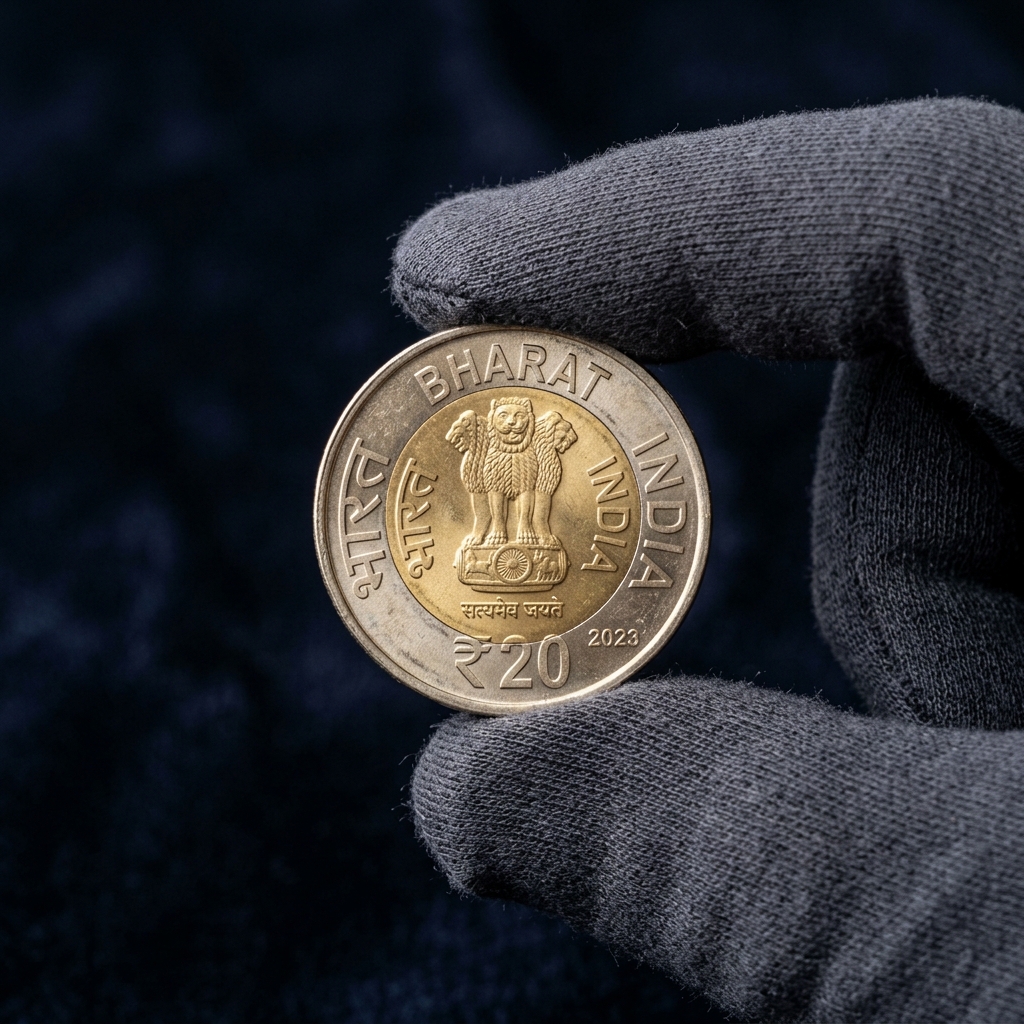
To identify old Indian coins, begin with the facts you can observe: metal, weight, diameter, , , and thickness. These basic measurements narrow the possibilities before you study inscriptions or symbols.
A handmade copper coin, a thin silver hammered coin, and a modern machine-struck belong to very different identification paths. Recording measurements also helps compare the coin with reliable catalogue entries.
Read scripts, symbols and ruler names
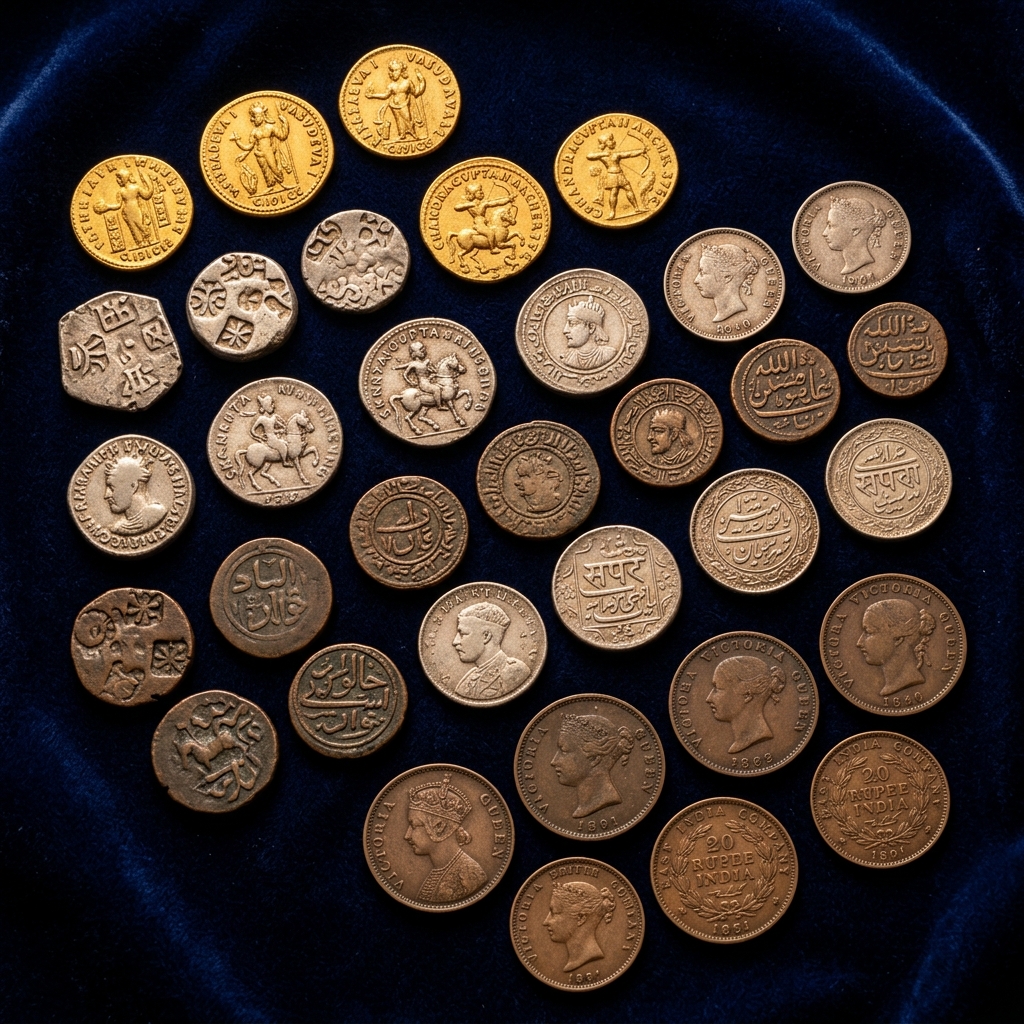
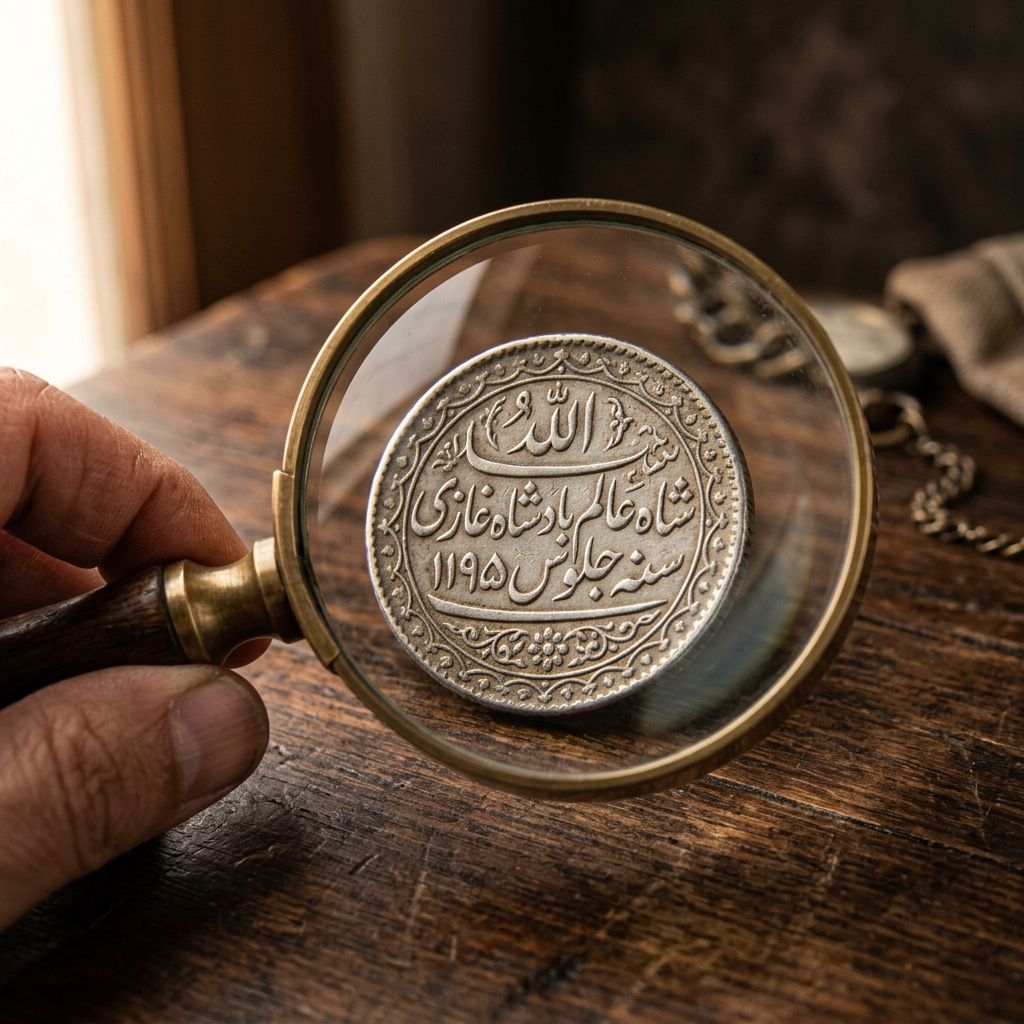
Old Indian coins may use , , Nagari, Persian, Arabic, English, or regional scripts. Even if you cannot read the full , script style helps identify the likely era.
Look for portraits, deities, animals, religious symbols, dates, names, and ruler titles. A Persian with a name may suggest Sultanate or Mughal coinage, while English and monarch portraits usually suggest British India.
Compare before assigning rarity
Do not assume an unidentified old coin is rare only because it looks ancient. Many old Indian coin types are common in worn condition, while small date, , ruler, or differences can change .
Compare both sides with reference images, note any damage or , and use professional authentication for expensive purchases or sales.
Curated Specimen Examples
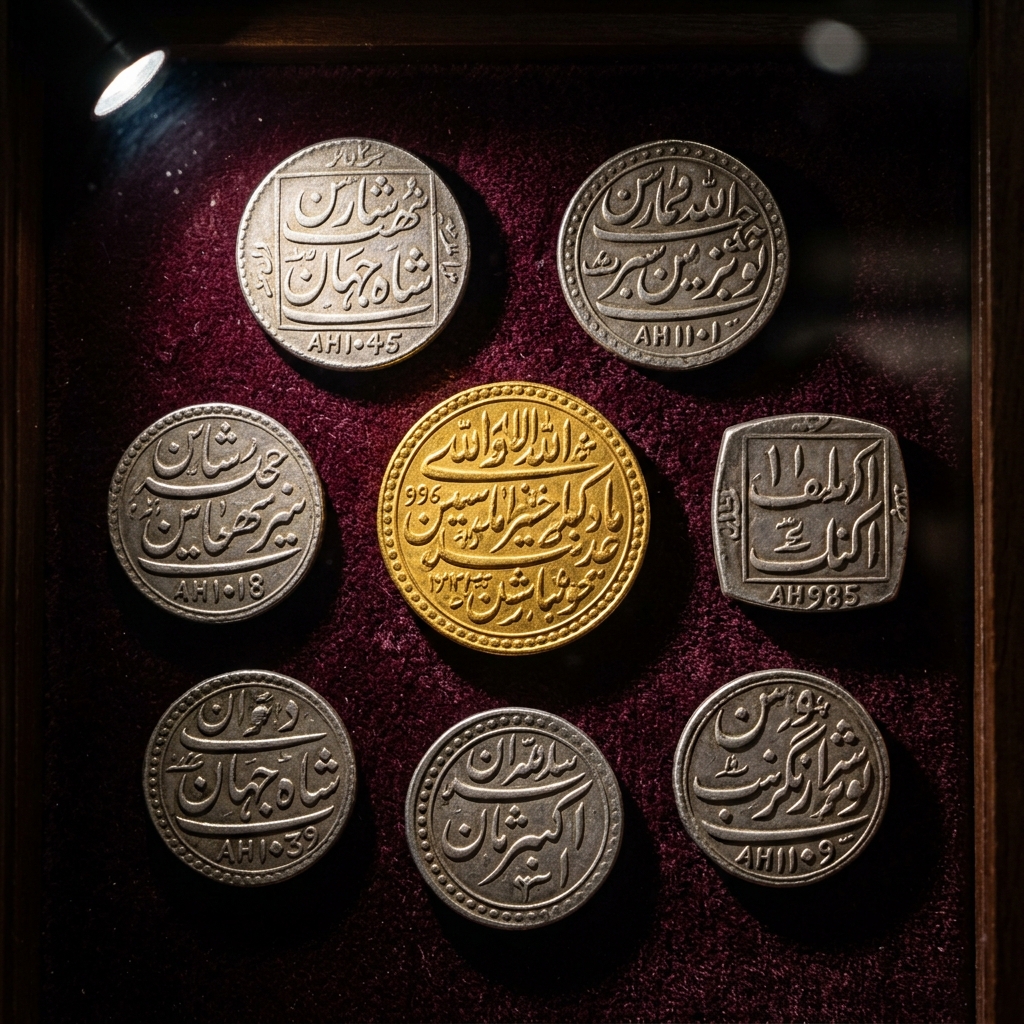
Mughal rupees like this one are identified by the Persian script, the mint name, and the Hijri year.
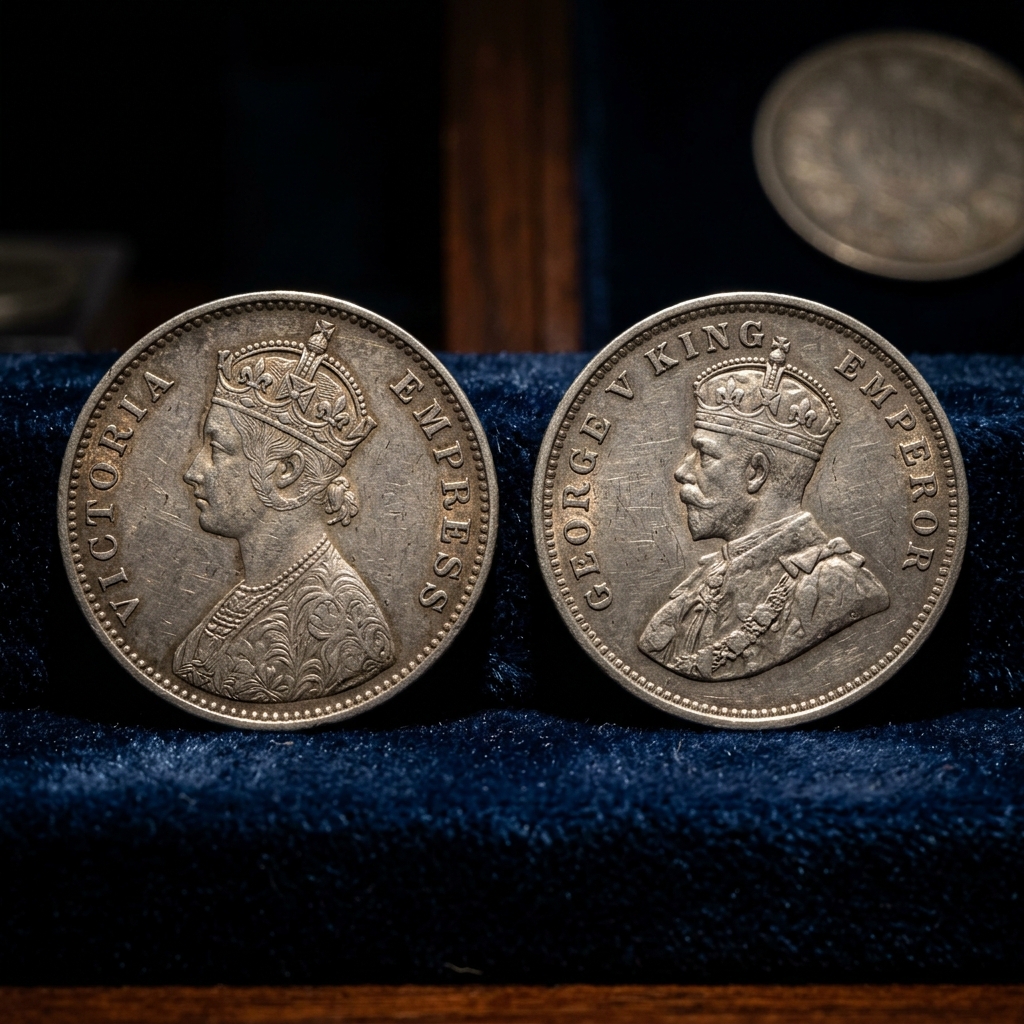
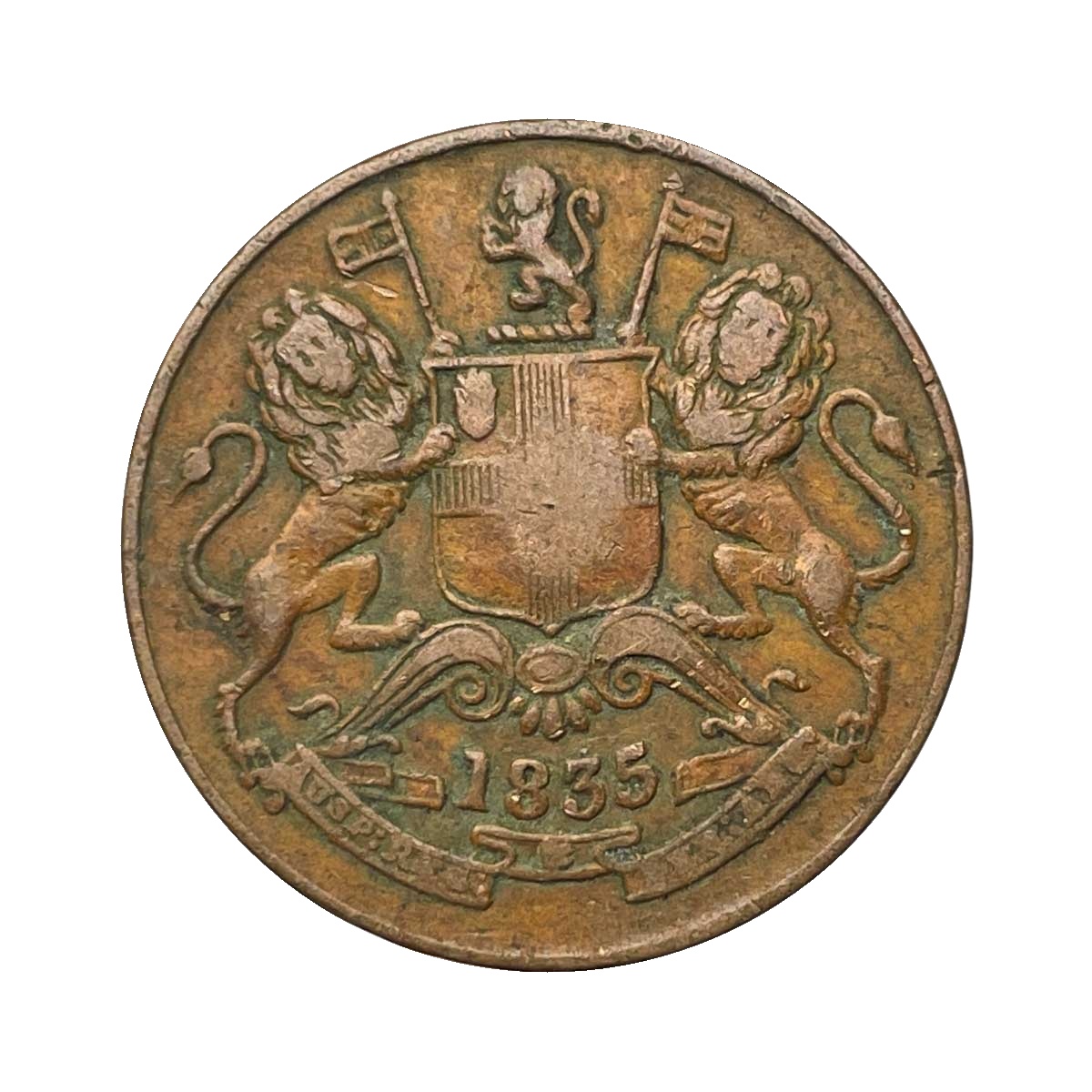
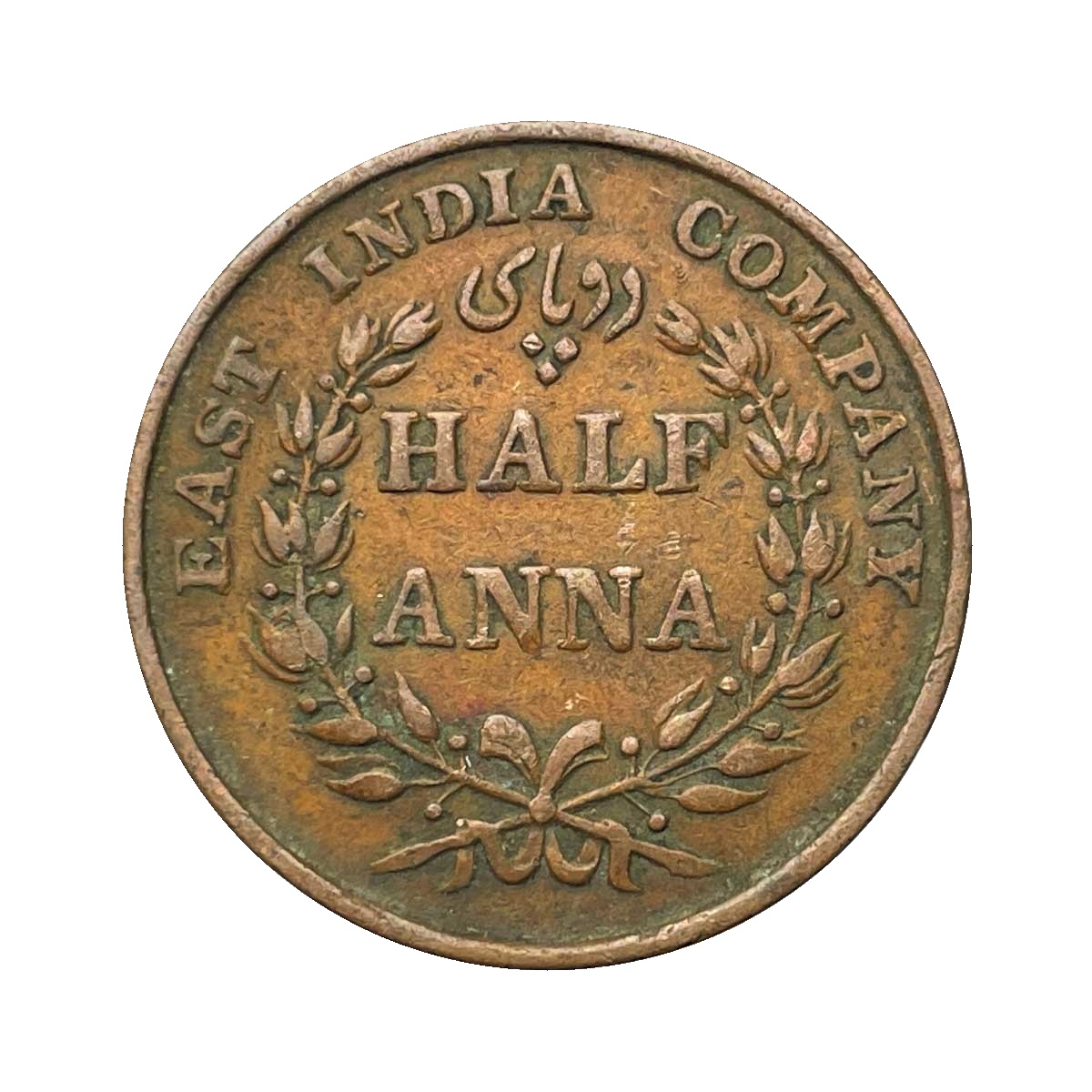
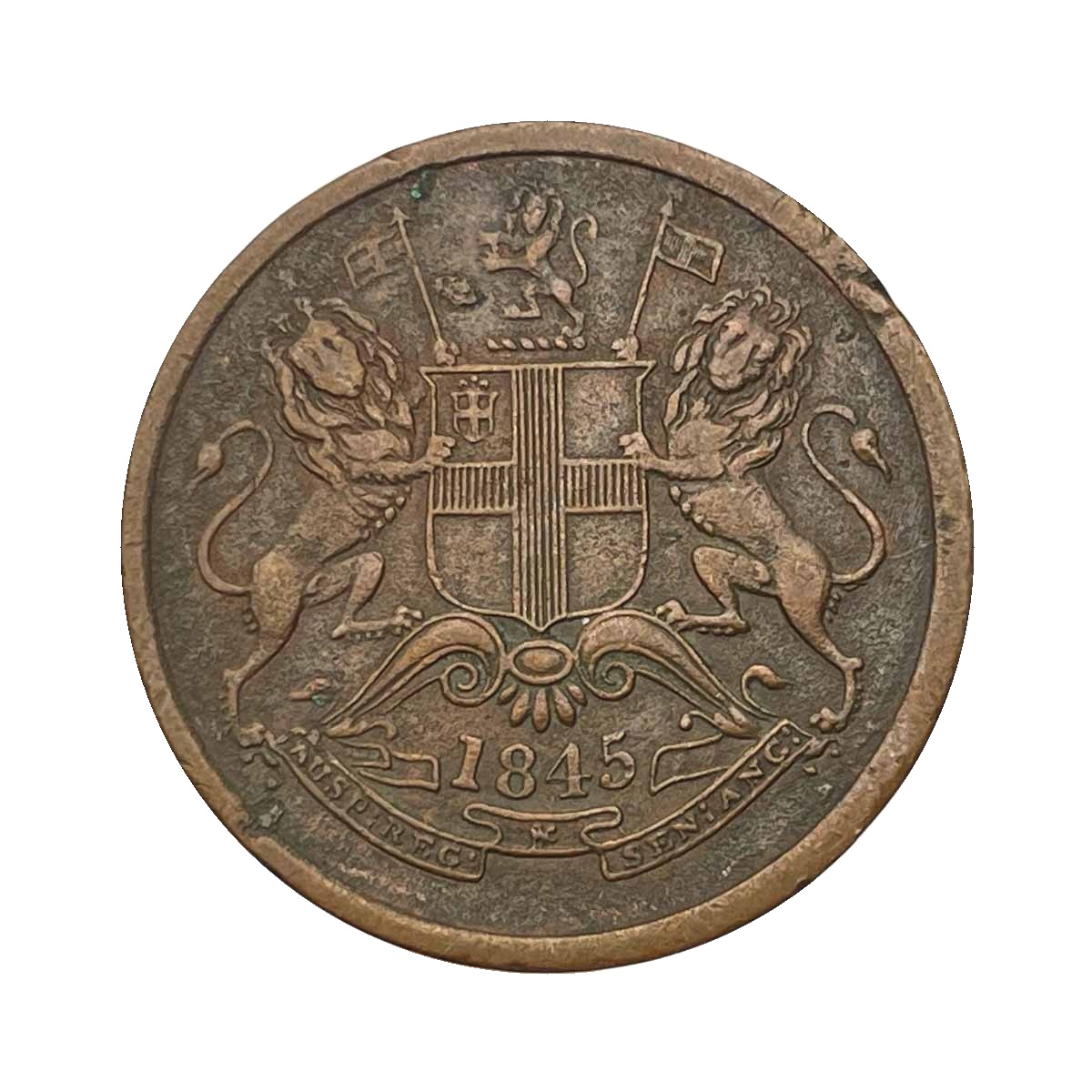
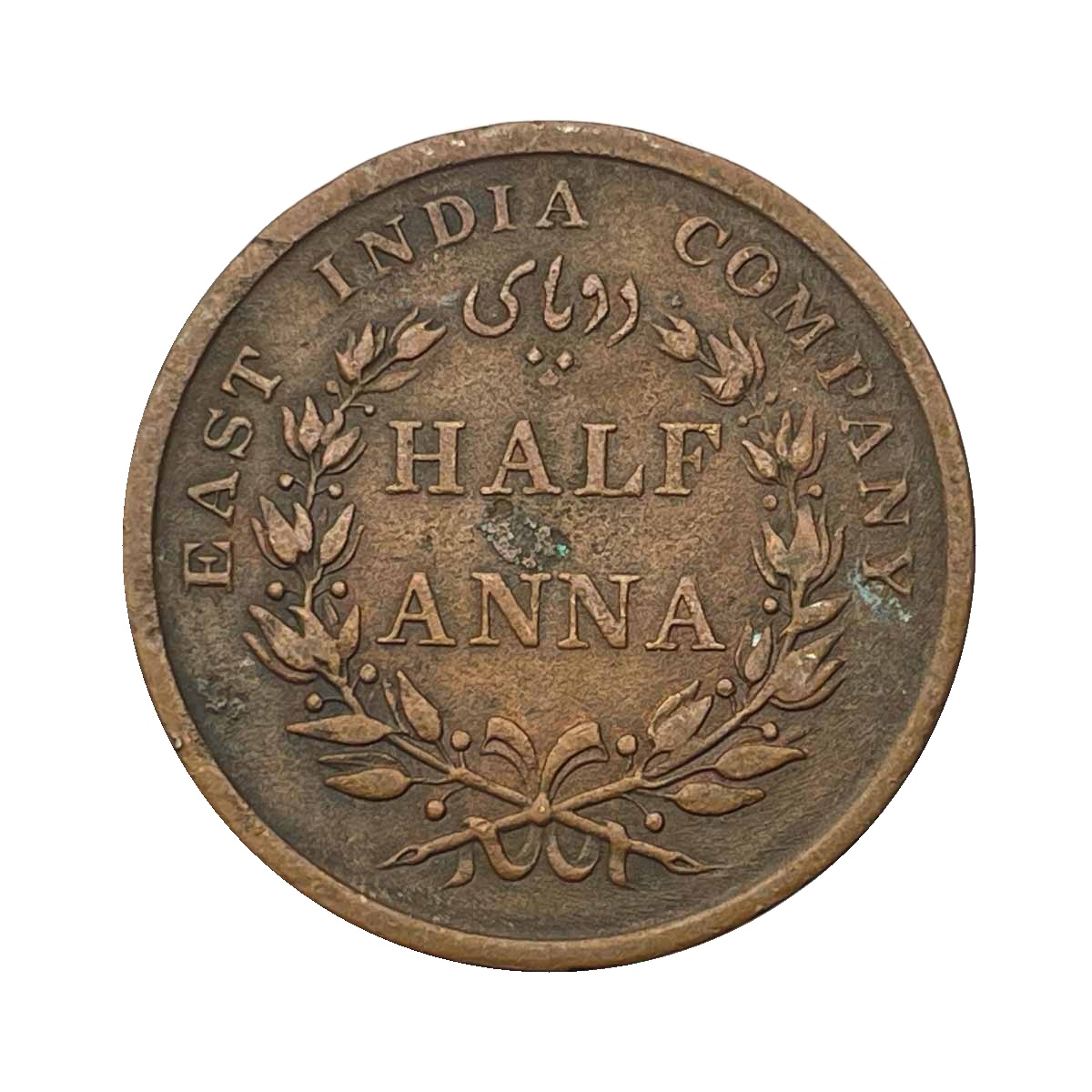
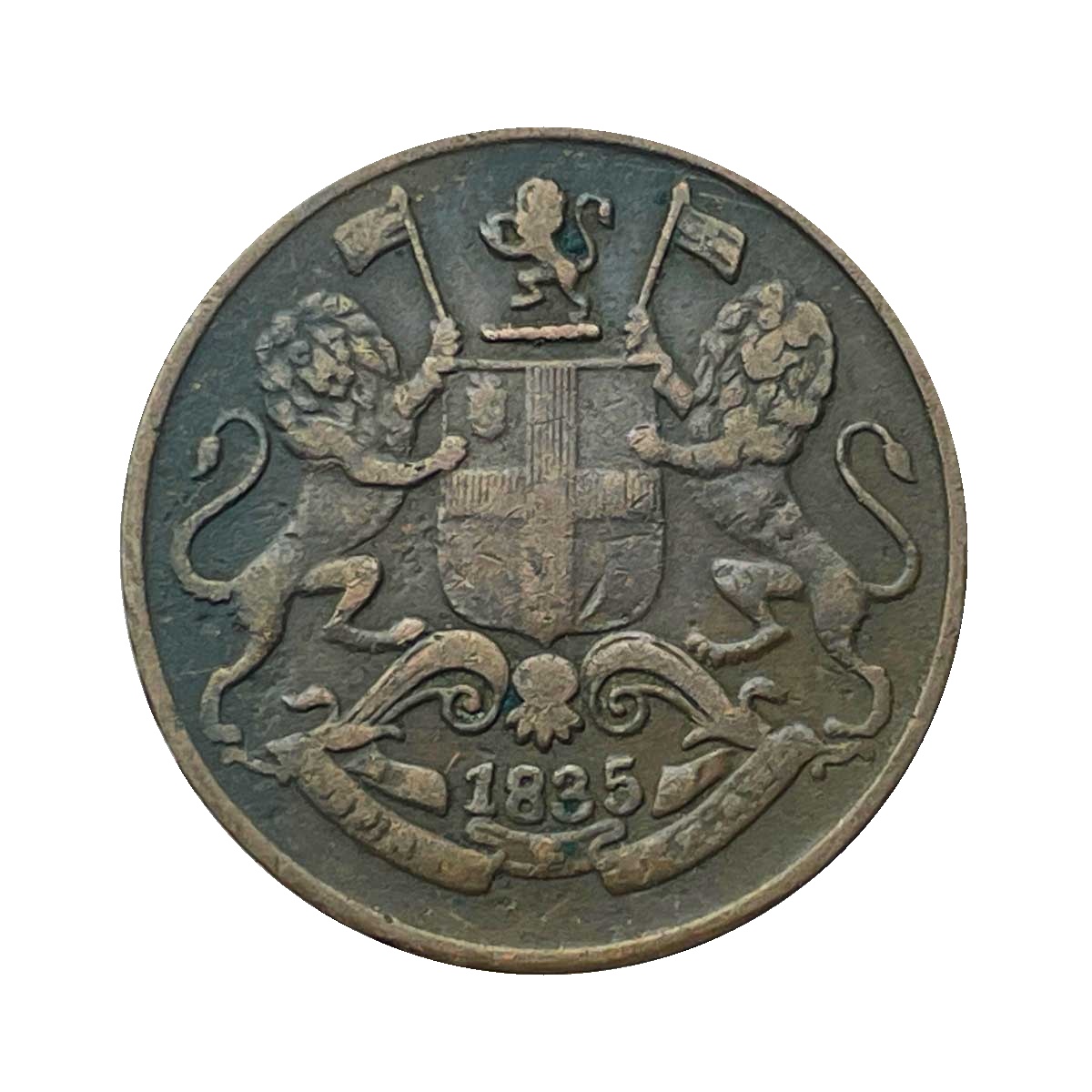
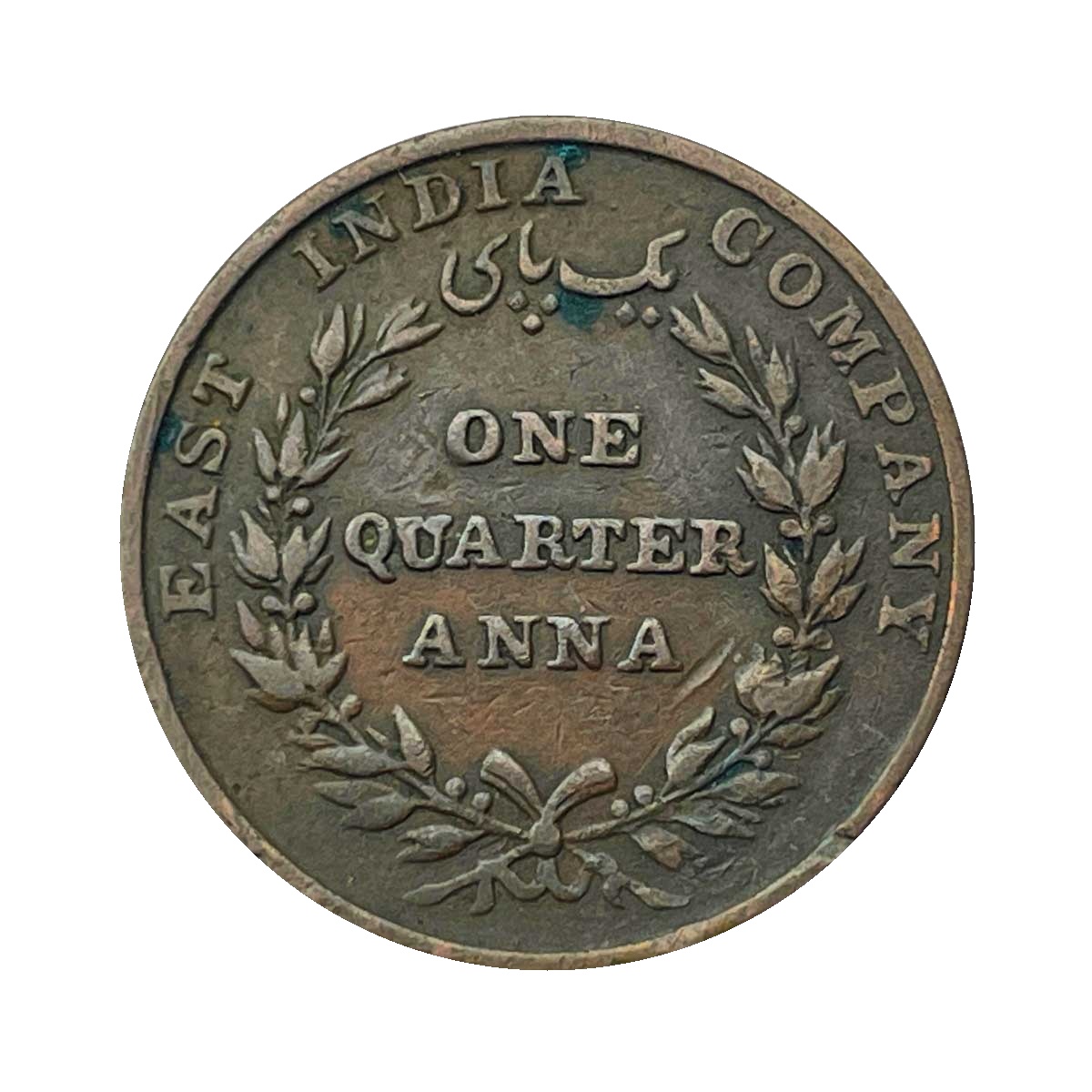
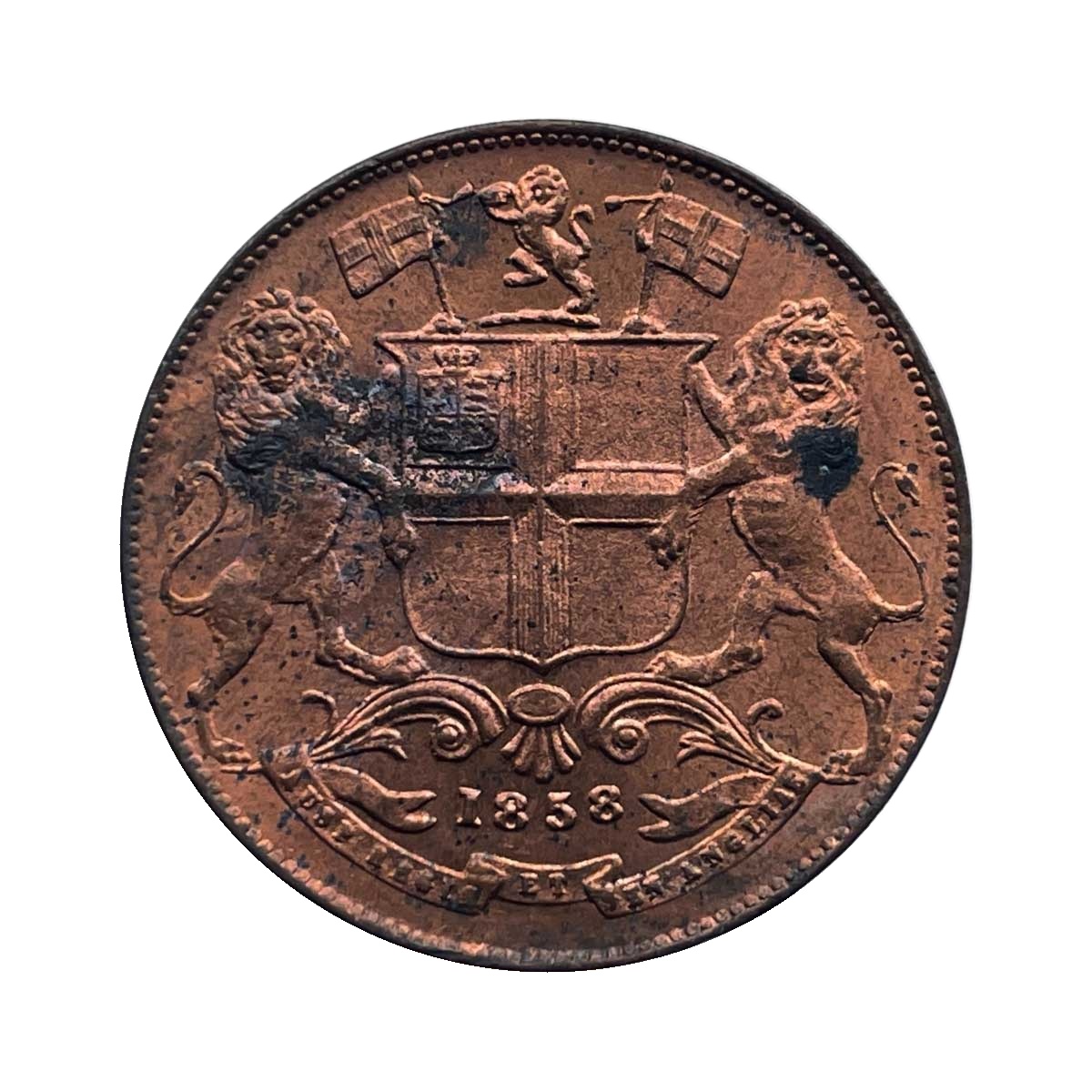
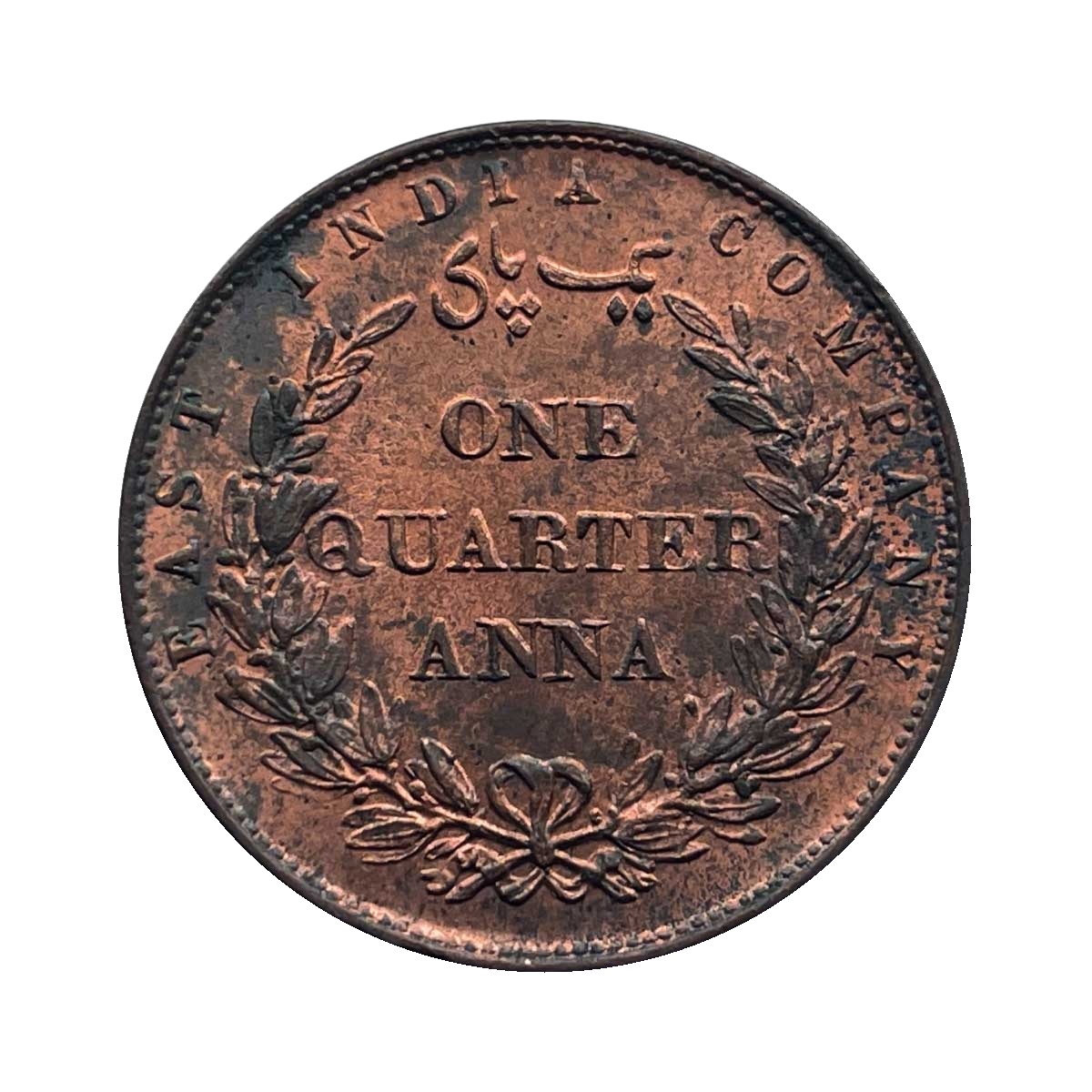
British India coins are much easier for English speakers to identify due to the monarch portrait and clear English denomination.
Common Pitfalls & Mistakes to Avoid
Frequently Asked Questions
How do I identify a coin with an unreadable script?
Start by identifying the metal, weight, and general symbols. These physical traits can narrow down the era. Compare the visual style to our coin era catalogue.
Where can I find the mint mark on an old Indian coin?
On modern Republic India coins, it is usually below the date. On British India coins, it may be a tiny dot or letter near the flowers on the reverse. On Mughal coins, the entire mint city name is written in Persian.
Explore the details
Was this numismatic guide helpful?
Your feedback helps our curatorial editorial team refine and expand our research.