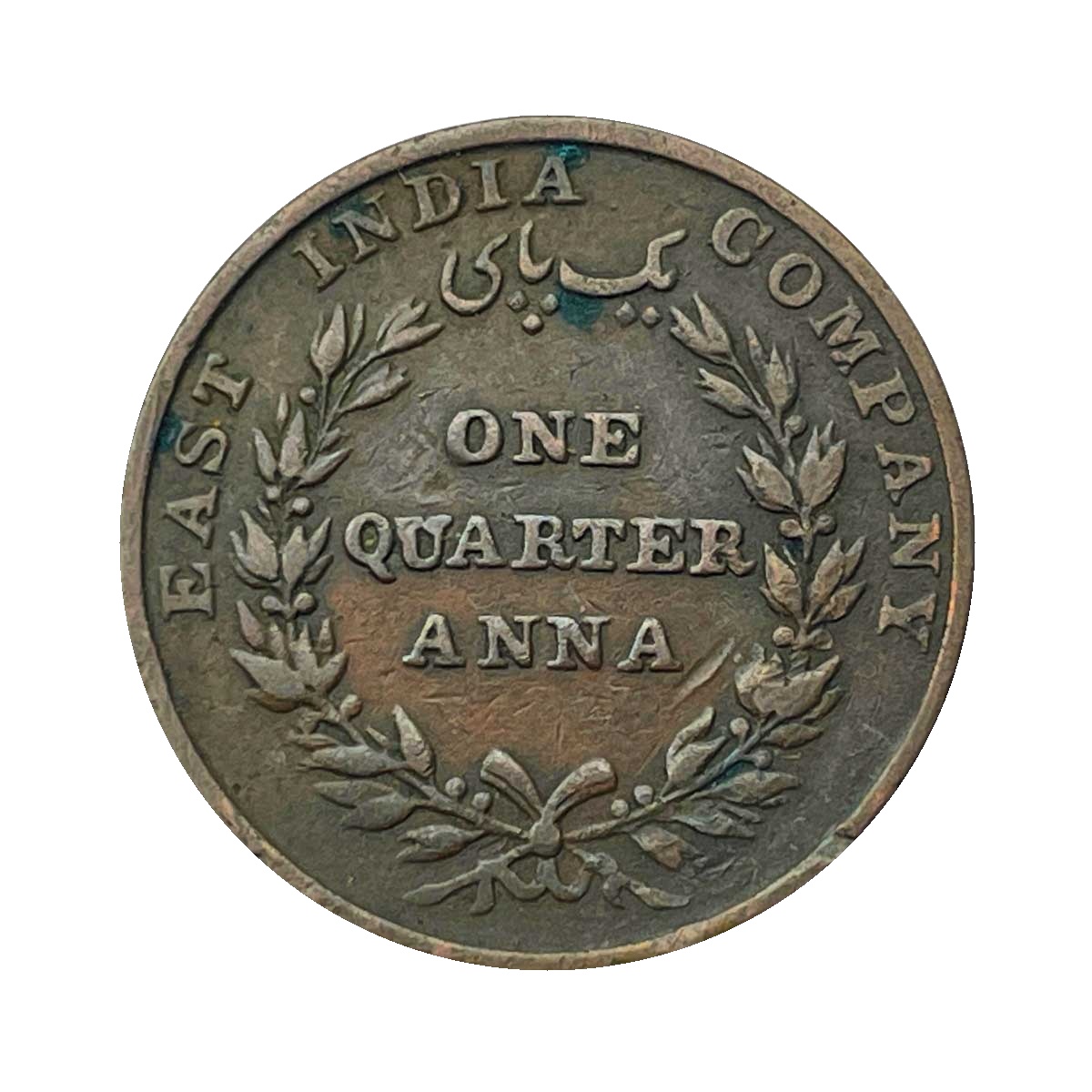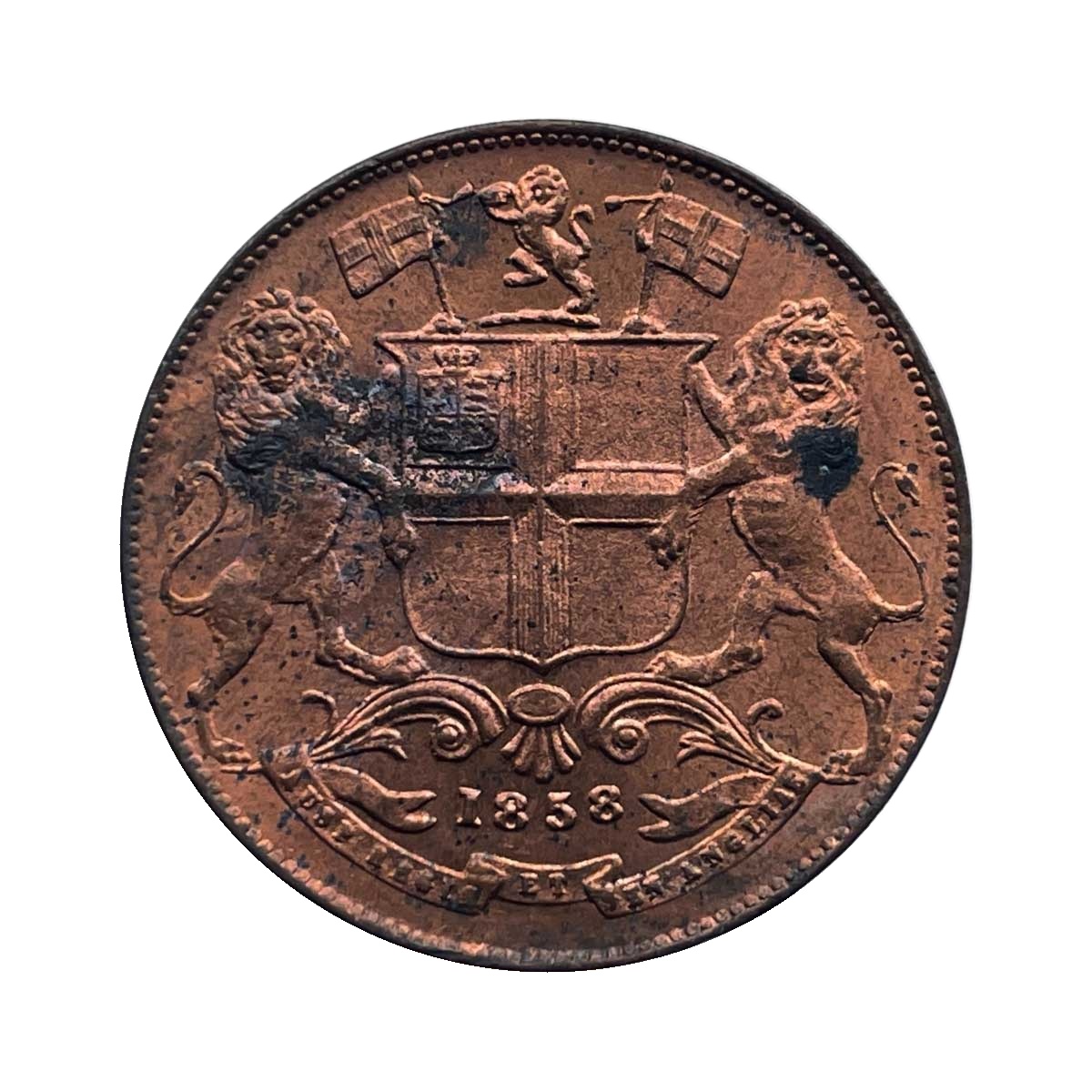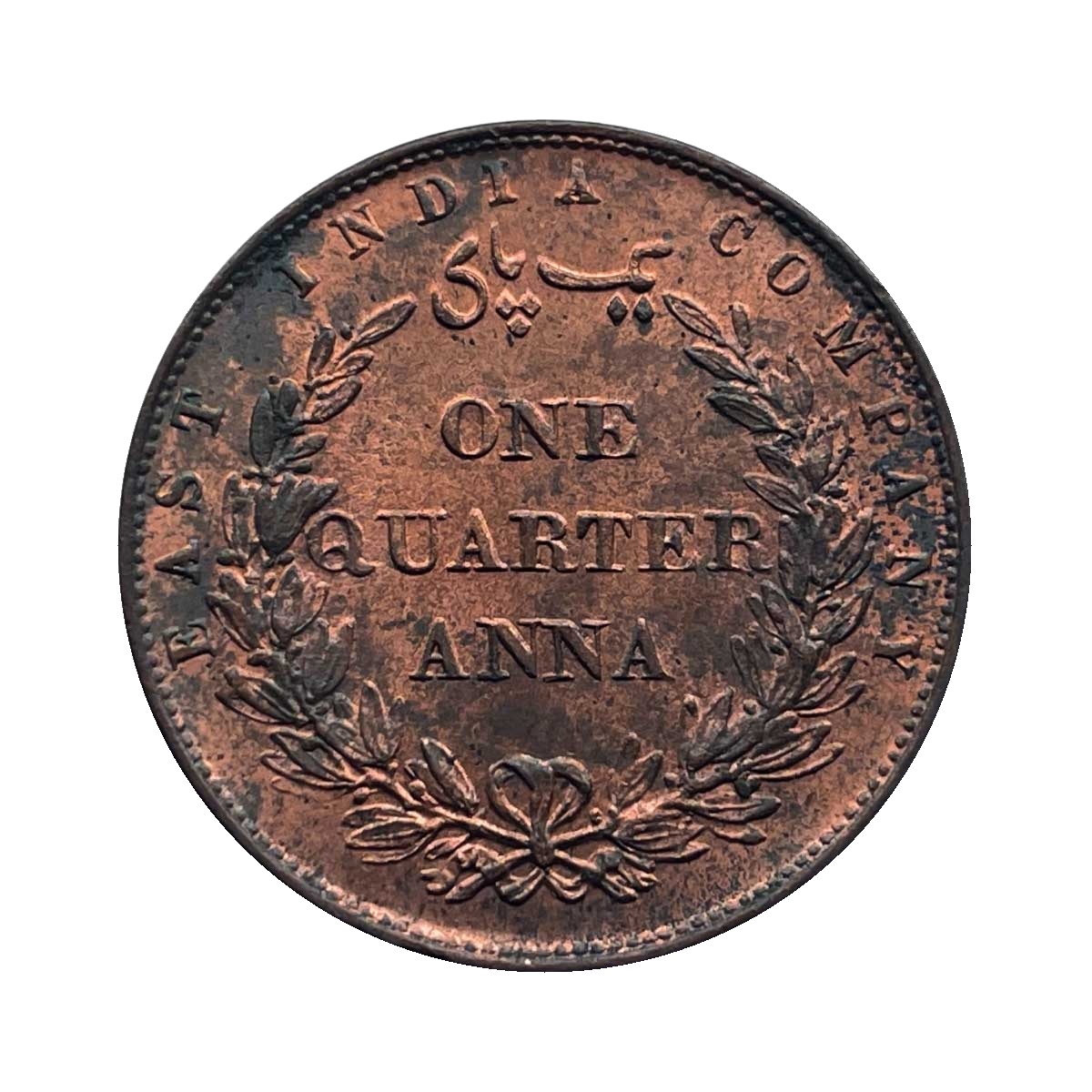
Key Takeaways & Executive Summary
Follow Republic India coinage through anna transition, decimalisation, paise, rupee series and commemoratives.
Carefully inspect the date, mint mark, metal purity, and die alignment.
Always preserve natural surface integrity and avoid harsh chemical treatments.
Cross-reference catalog numbers with verified numismatic references before purchase.
Pre-Decimal Transition (1950 - 1957)
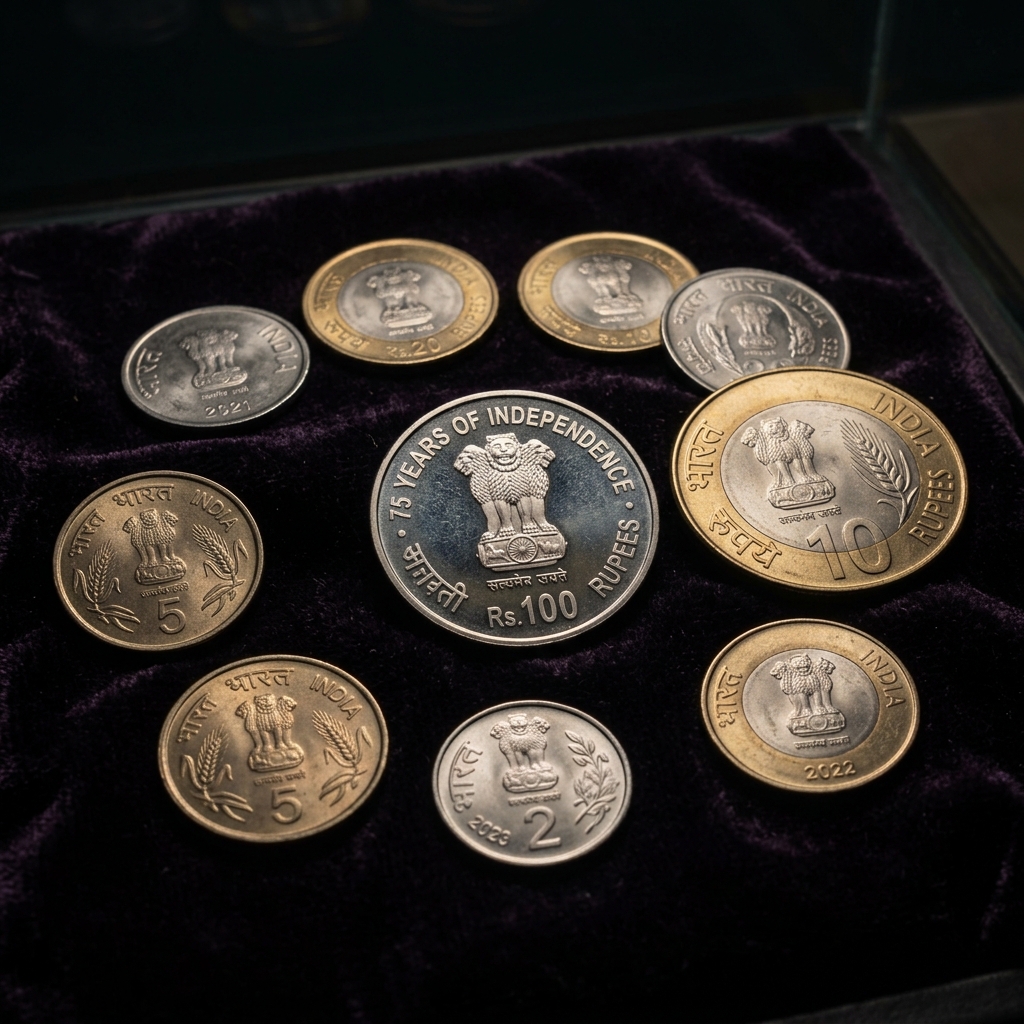
Following India's independence in 1947, the country continued to use British Indian coins bearing the portrait of King George VI to prevent commercial disruption. The first official coins of the sovereign Republic of India were released on August 15, 1950, introducing a new iconographic direction. The portrait of the British monarch was replaced on the by the Lion Capital of Ashoka (from the ancient Sarnath Pillar), flanked by Devanagari and English texts. The reverses featured native agricultural themes, such as the prominent ears of wheat on the one coin.
This initial series, known as the 'Frozen Series', maintained the pre-decimal monetary system inherited from the British: 1 was divided into 16 Annas, 1 was divided into 4 Pice, and 1 Pice equaled 3 Pie. The denominations released included the , Half , Quarter , Two Annas, One , Half , and Single Pice, representing a bridge between colonial standards and independent India's identity.
Decimalisation and Naye Paise (1957 - 1964)
In 1955, the Indian Parliament passed the Coinage (Amendment) Act to modernize the country's currency. On April 1, 1957, India officially adopted the decimal system. The Indian was divided into 100 parts. To help the public distinguish between the old pice and the new decimal units, the new coins were named 'Naye Paise' (New Paise).
During this era, mints struck denominations of 1, 2, 5, 10, 25, and 50 naye paise. The metal composition of the smaller coins shifted from bronze and nickel-brass to lightweight aluminium in the early 1960s to prevent melting for commercial profit as global metal prices rose. In 1964, once the decimal system was universally established, the word 'Naye' was officially dropped from the coinage designs, returning to the standard 'Paise'.
Metal Transitions and Commemoratives
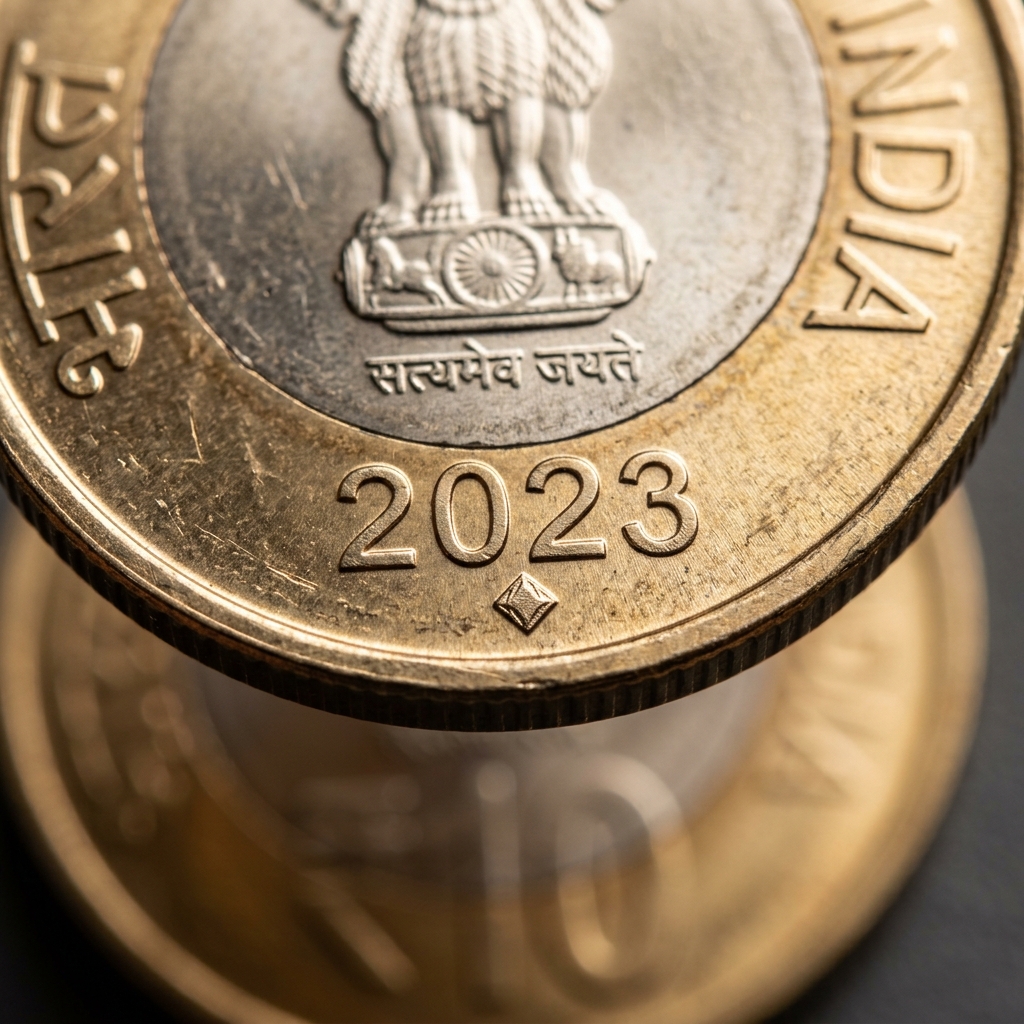
As India's economy grew, rising metal values forced continuous changes in coinage materials. In 1988, the government introduced ferritic stainless steel (FSS) coins for lower denominations to replace expensive cupro-nickel alloys. In subsequent decades, bimetallic coinage was introduced for higher denominations—specifically the Rs. 10 coin in 2009 and the Rs. 20 coin in 2020—featuring a copper-nickel core surrounded by an aluminum-bronze ring.
Republic India has also struck a large series of commemorative coins to honor historical figures, national anniversaries, and major institutions, beginning with the Jawaharlal Nehru issues in 1964. While some of these enter standard circulation, the government mints also produce high-end, polished and Uncirculated () sets in presentation folders for collectors, celebrating India's rich historical and cultural milestones.
Was this numismatic guide helpful?
Your feedback helps our curatorial editorial team refine and expand our research.