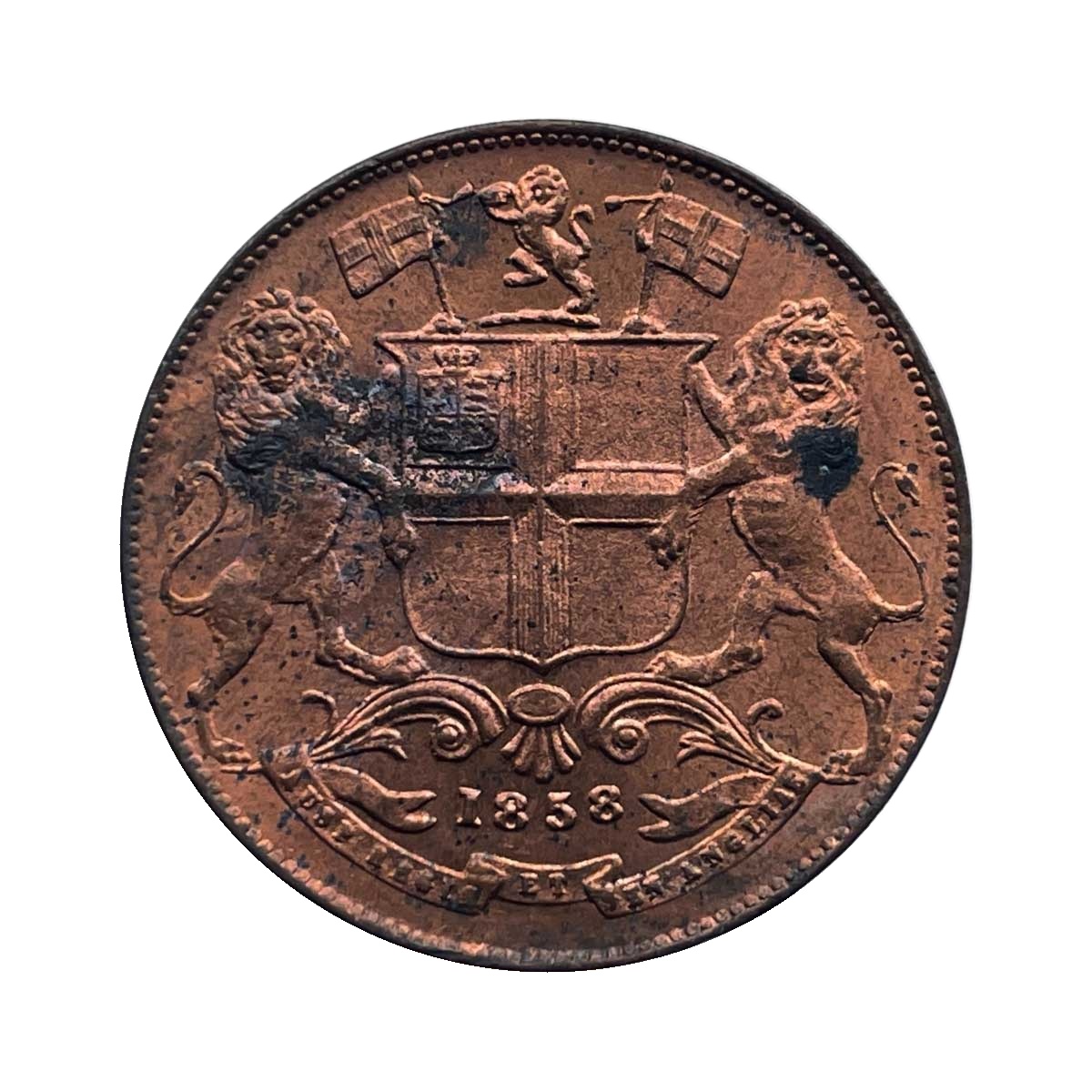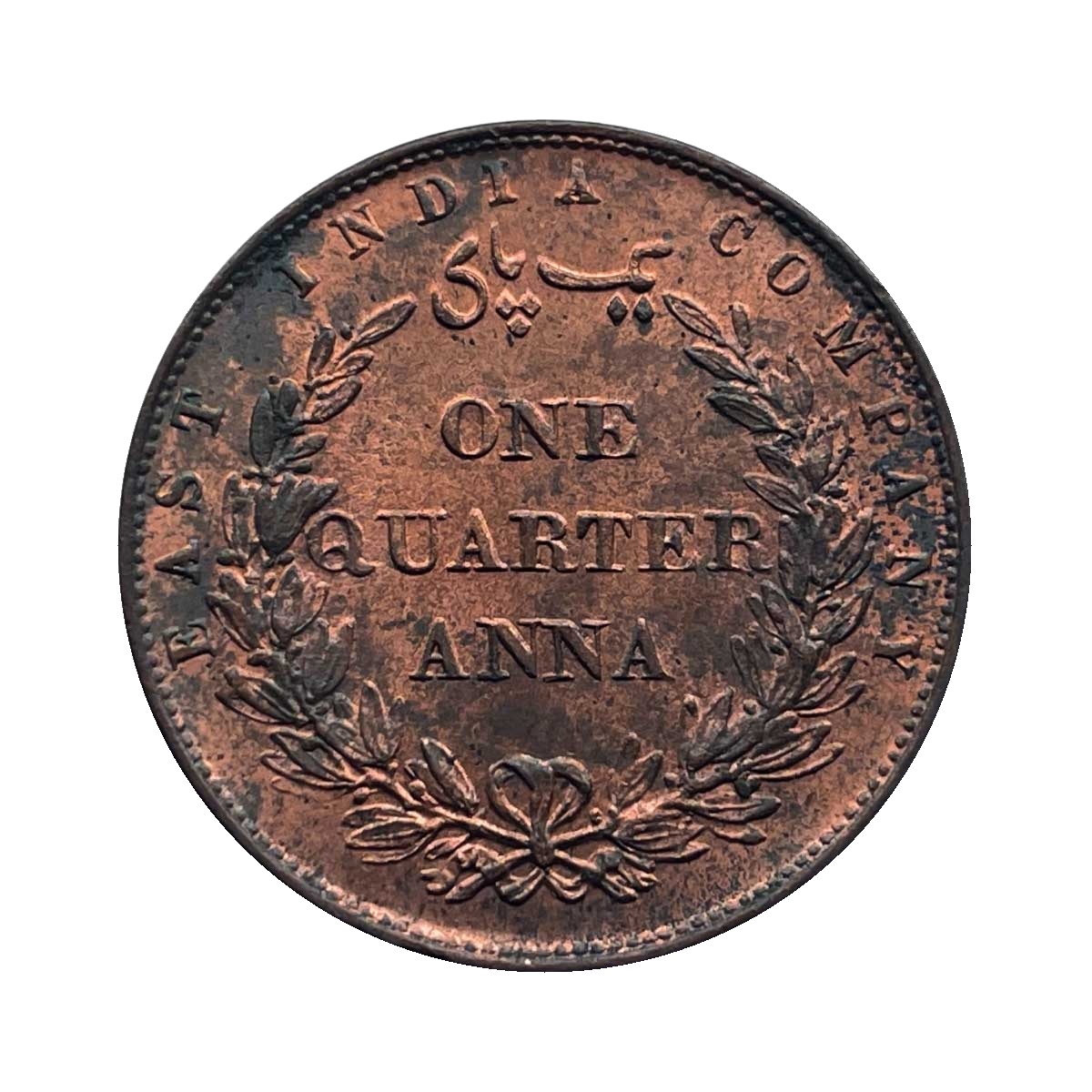
Key Takeaways & Executive Summary
Understand what can make Indian coins rare, including mintage, survival, demand, condition, mint marks, varieties and provenance.
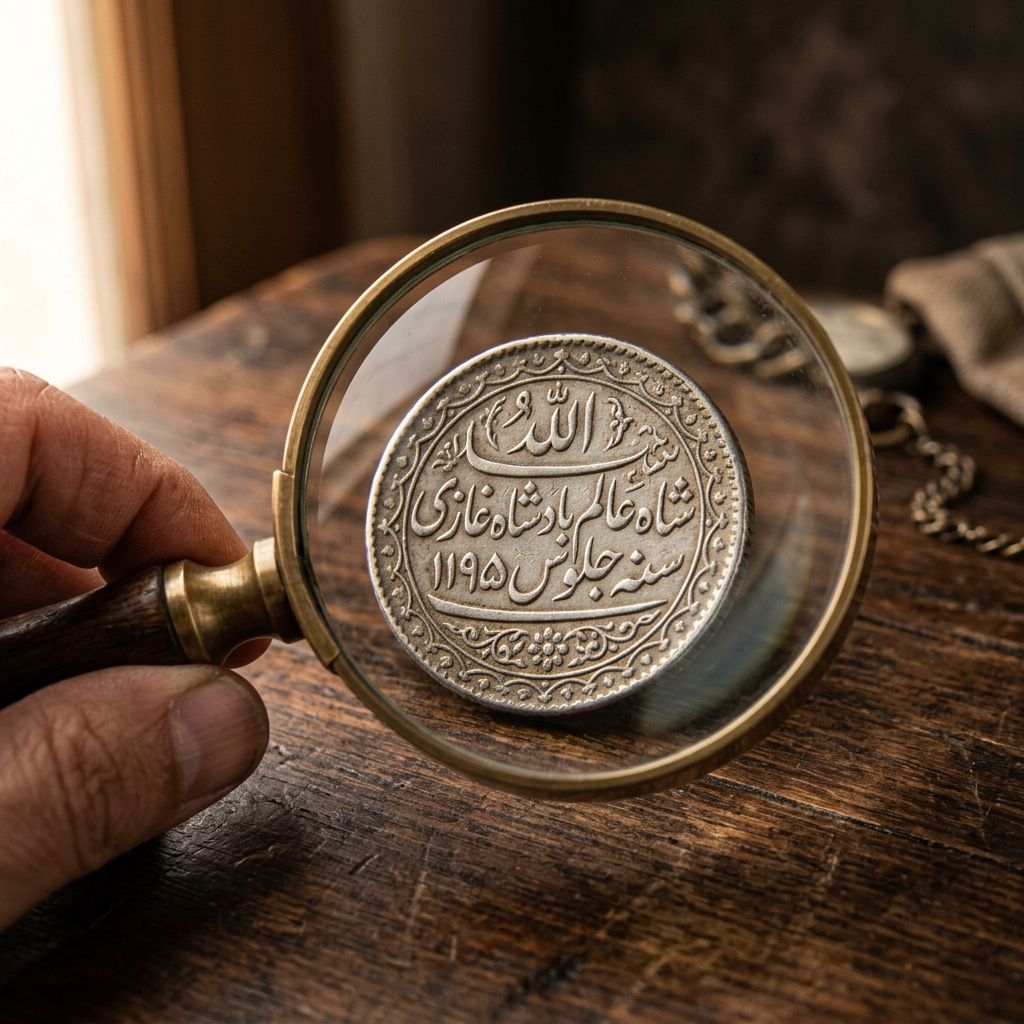
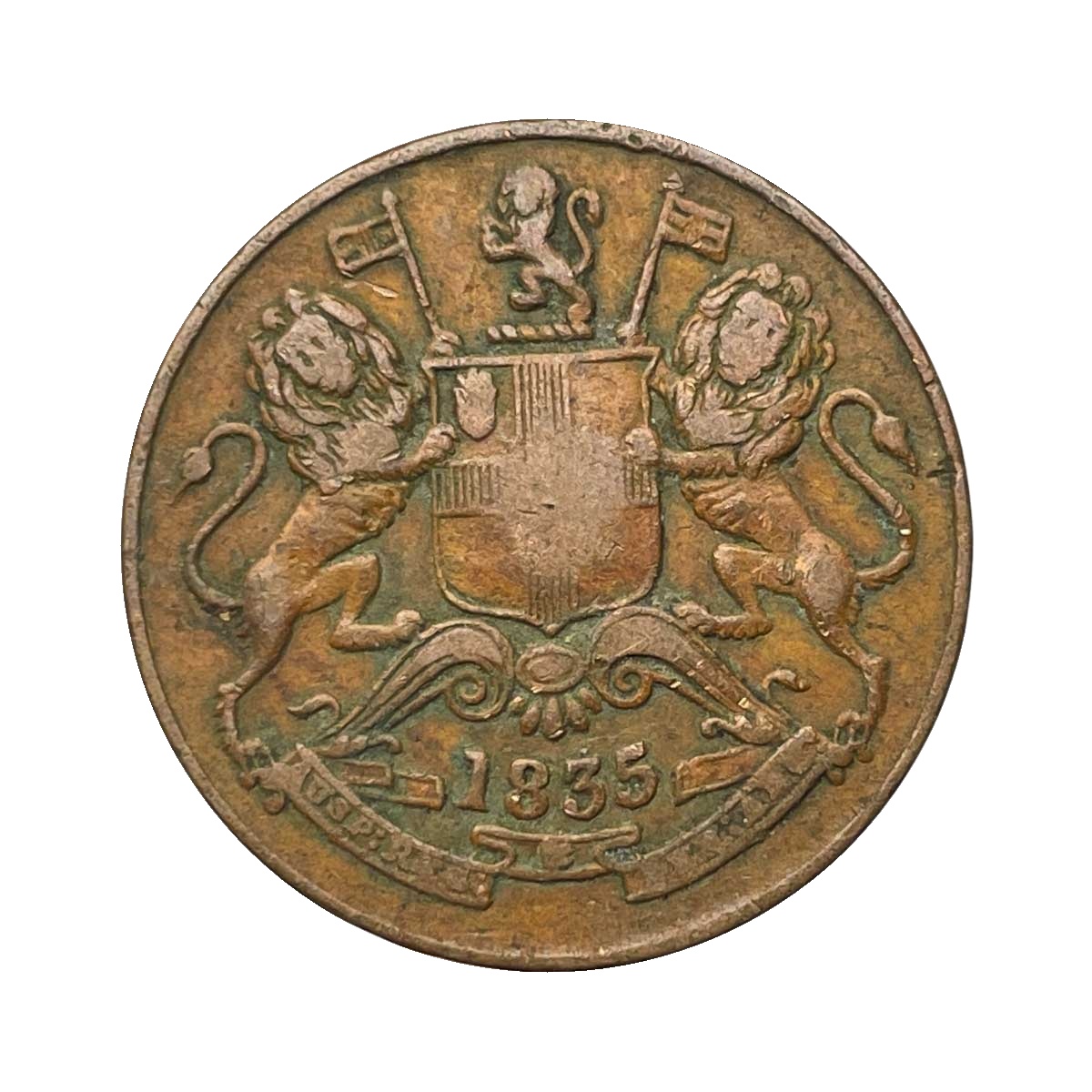
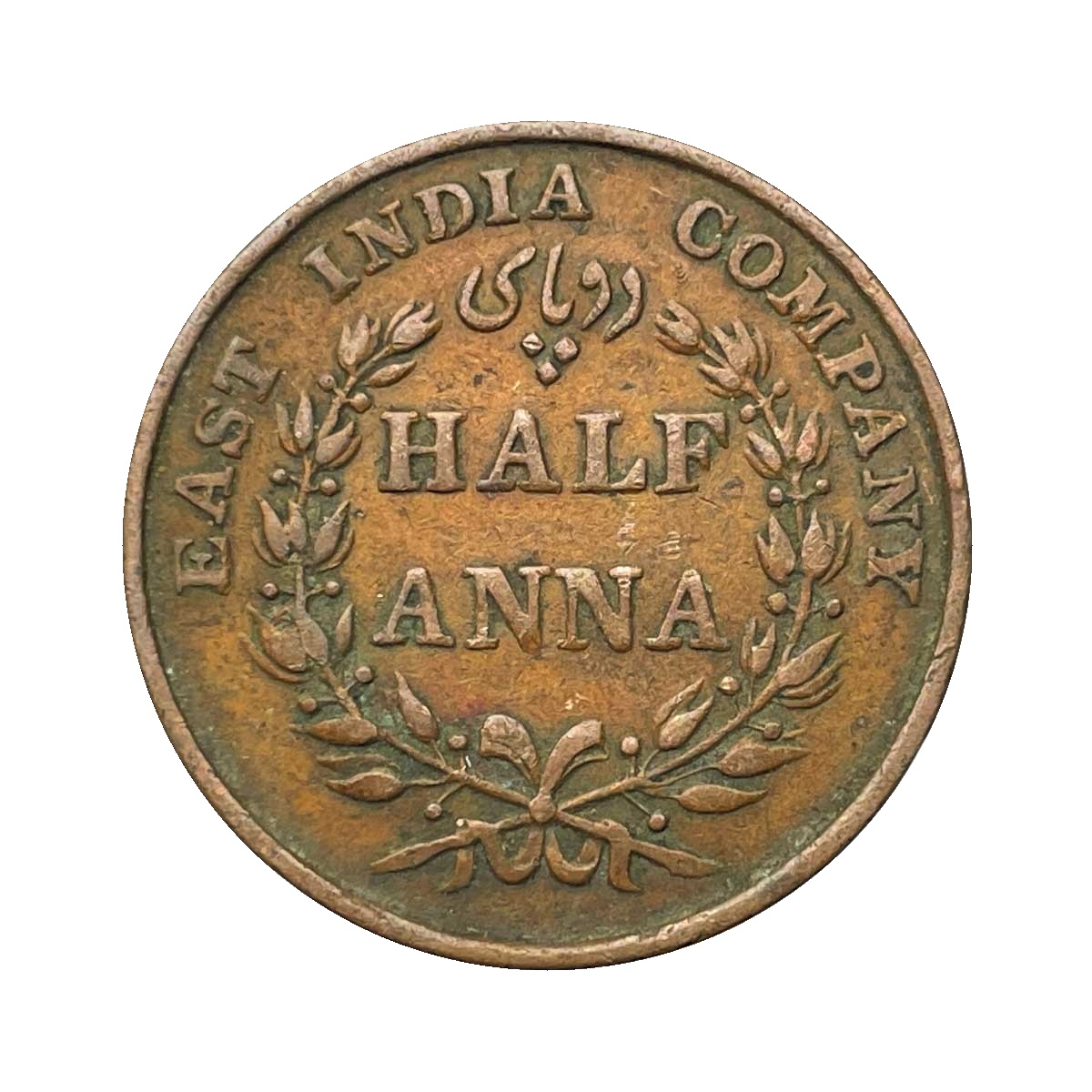
Carefully inspect the date, mint mark, metal purity, and die alignment.
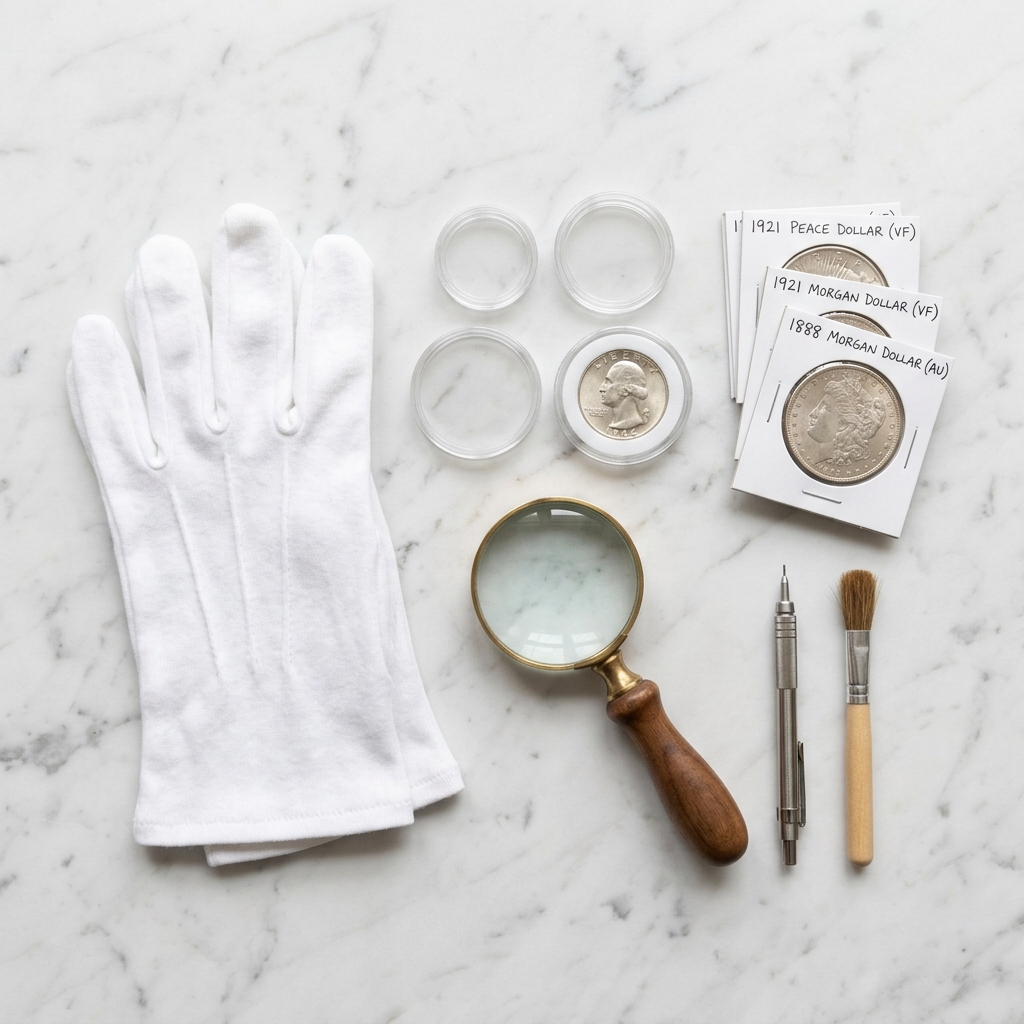
Always preserve natural surface integrity and avoid harsh chemical treatments.
Cross-reference catalog numbers with verified numismatic references before purchase.
What makes an Indian coin rare

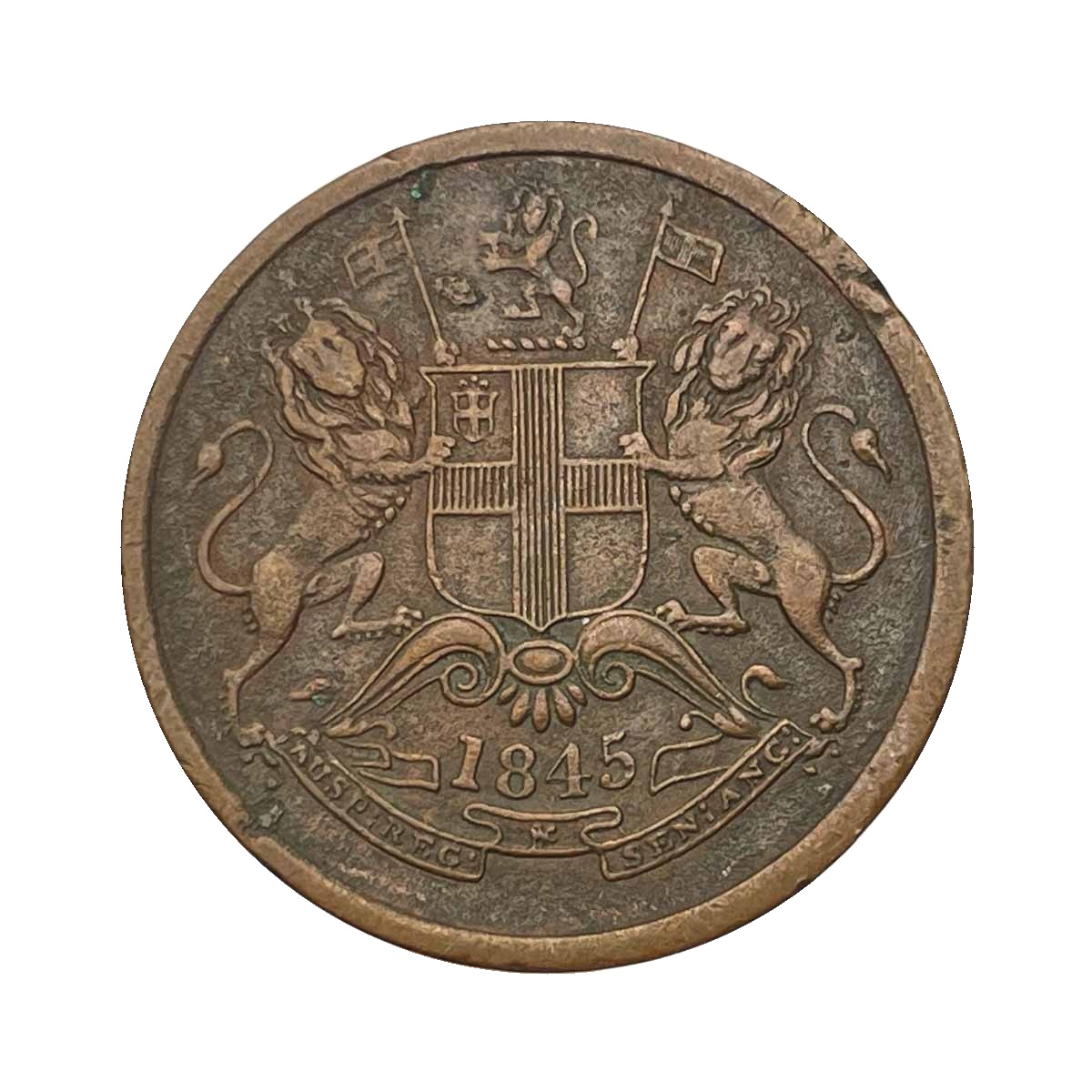
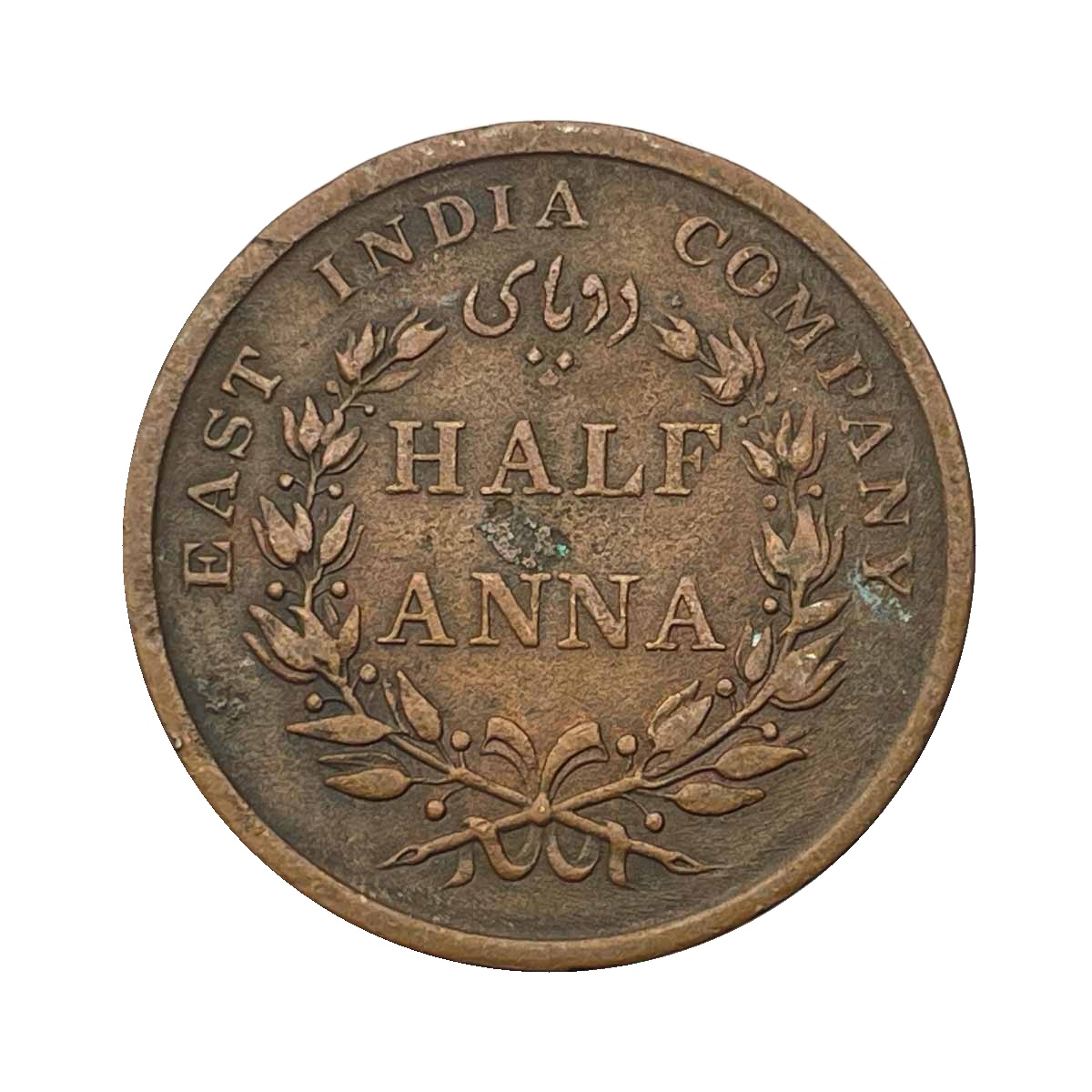
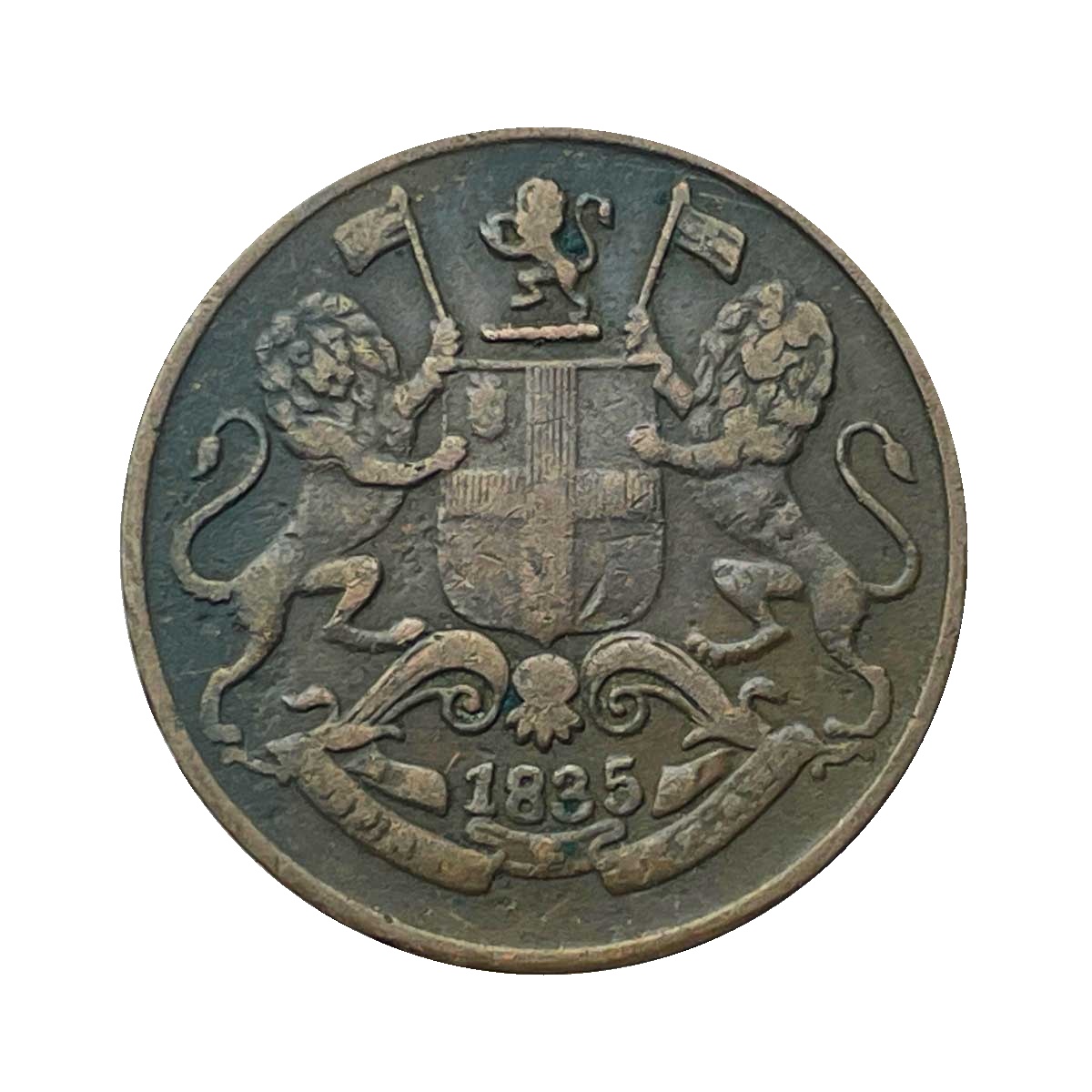
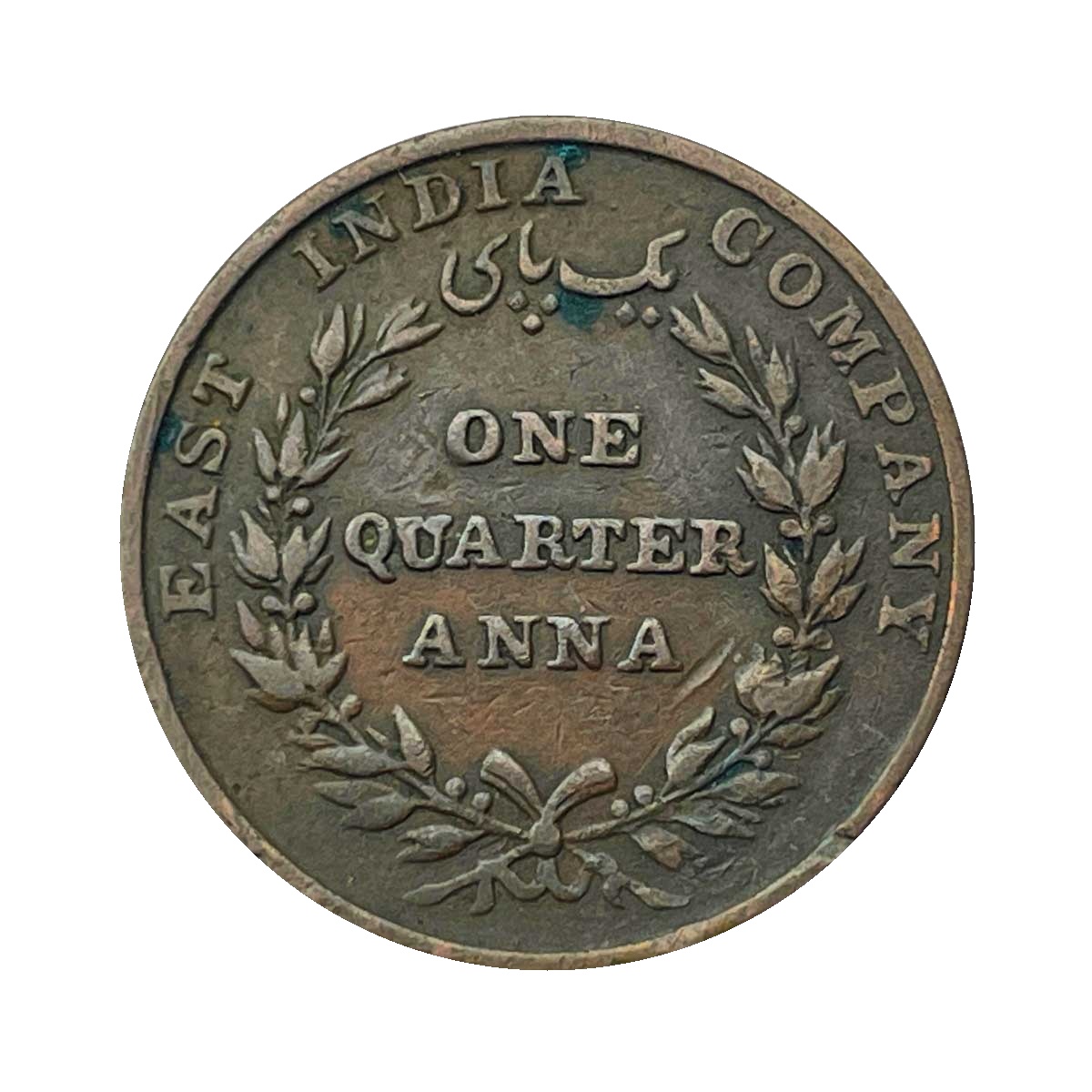
A rare Indian coin is not simply an old coin. can come from low mintage, low survival rate, short issue period, unusual mark, important , historical significance, or strong collector demand.
Condition also matters. A common coin in exceptional may be more desirable than a scarce coin with heavy damage, corrosion, or .
Rare does not always mean valuable
and value overlap, but they are not identical. A coin may be scarce but have limited demand, while a popular coin with many collectors can command stronger prices.
Use completed auction results, recognized catalogues, and specialist dealer references rather than social media claims. Asking prices are not the same as proven market values.
How to research a rare coin claim
Document the coin carefully: both sides, , weight, diameter, metal, date, mark, and any visible legends. Compare it with verified references and check for known replicas or altered varieties.
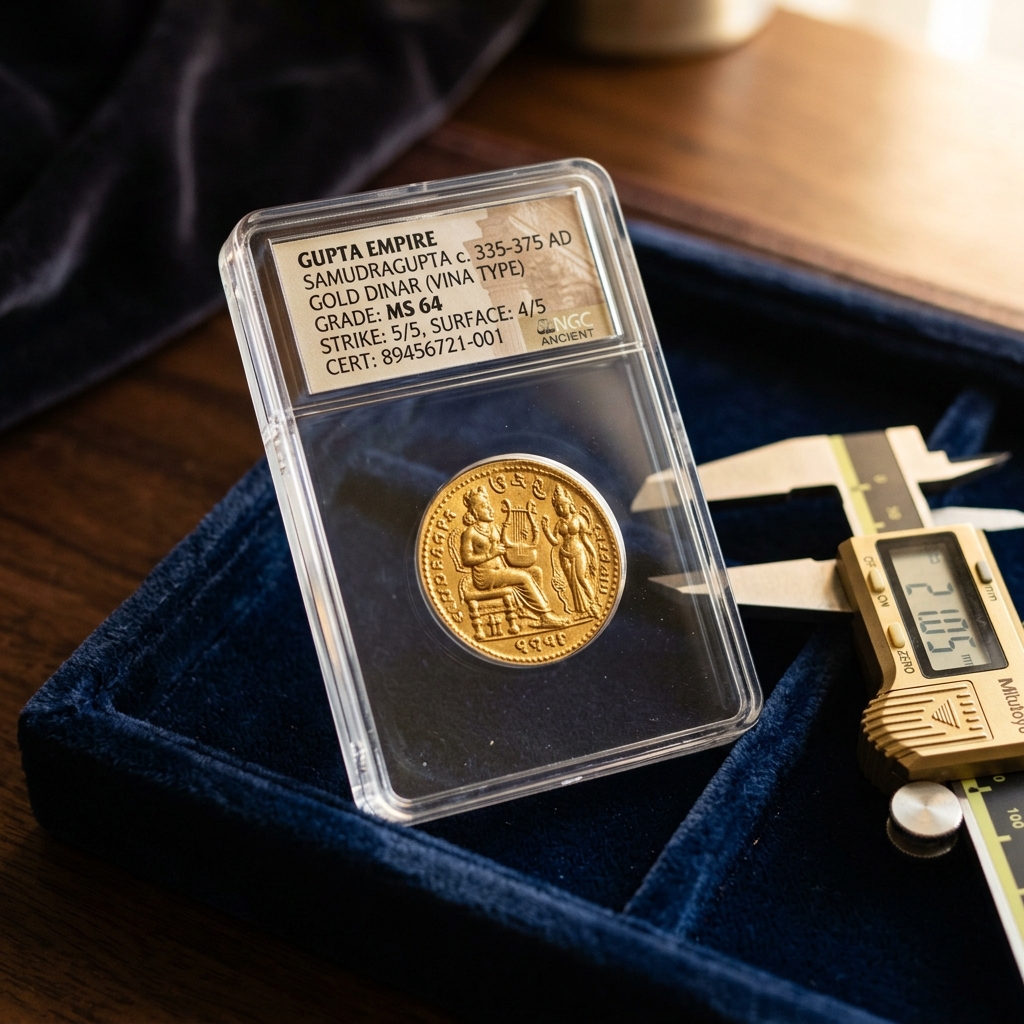
For expensive Indian coins, professional authentication is recommended before purchase, sale, or insurance decisions.
Explore the details
Was this numismatic guide helpful?
Your feedback helps our curatorial editorial team refine and expand our research.